Water Meter
What is a Water Meter?
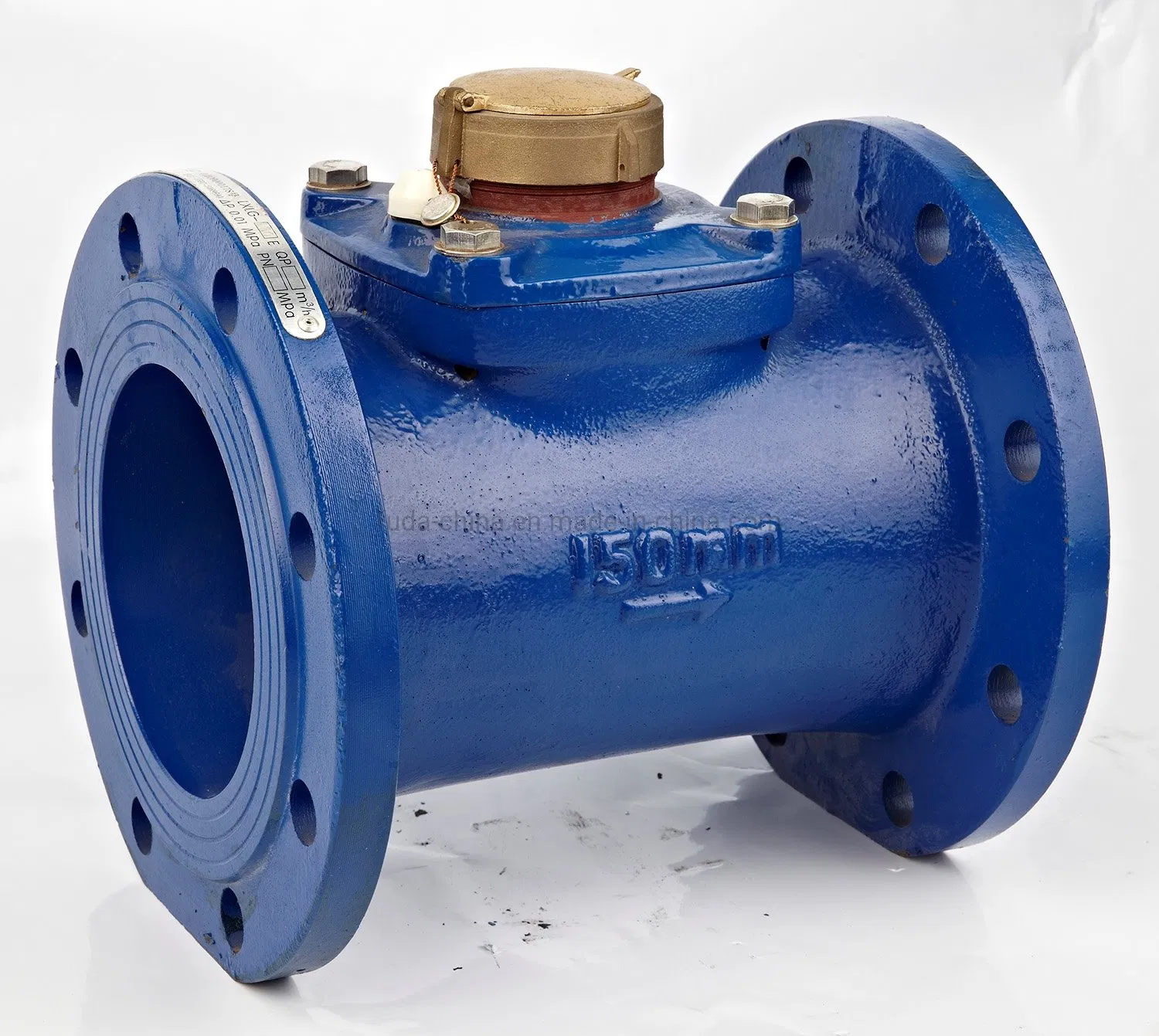
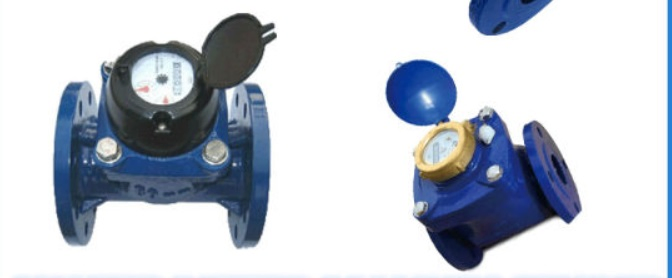
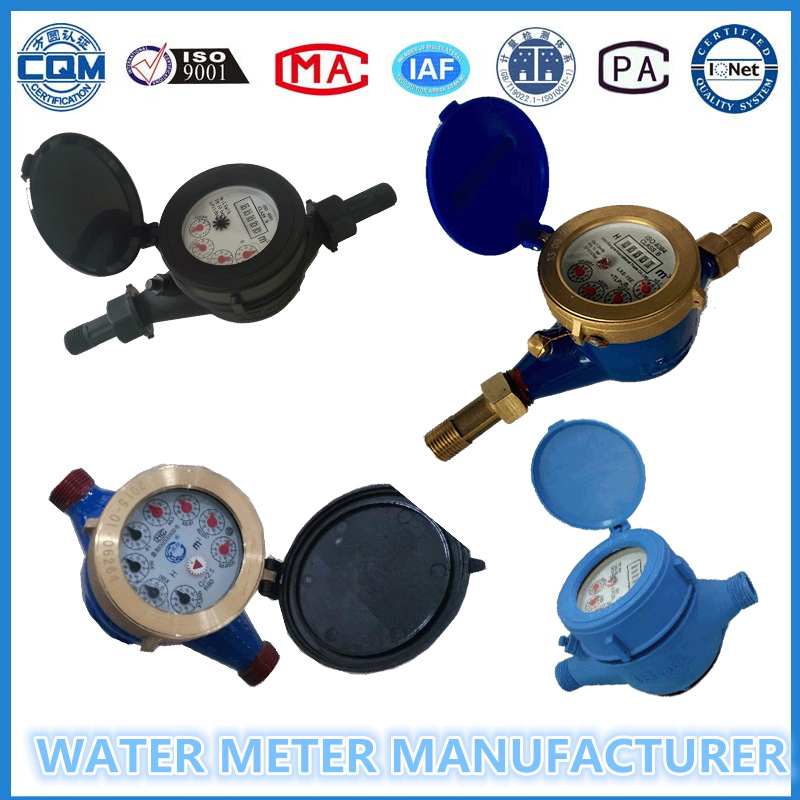
A water meter is a precision device used to measure the volume of water that passes through a pipe or outlet. It is an essential tool for utility companies, industrial facilities, agricultural operations, and residential properties to accurately monitor water consumption for billing, conservation, and process control. Modern water meters come in various technologies, each suited for specific applications, flow rates, and accuracy requirements. At instruments-meters.net, we provide a comprehensive range of high-quality water metering solutions designed for reliability and long-term performance.
Types of Water Meters
Choosing the right type of meter is crucial for obtaining accurate measurements. The main categories include:
- Mechanical Meters (Velocity Meters): These measure the flow rate of water to calculate volume. Common subtypes are:
- Single-Jet and Multi-Jet Meters: Ideal for clean water in residential and commercial buildings. Water flow strikes a turbine or impeller blades to drive the register.
- Turbine Meters: Used for higher flow rates in commercial and industrial applications. Water flow spins a rotor mounted along the flow axis.
- Compound Meters: Combine two measuring chambers (a turbine for high flow and a positive displacement unit for low flow) to accurately measure highly variable flow rates.
- Positive Displacement (PD) Meters: Highly accurate for low to medium flow rates. They measure water by counting the number of times a precisely known volume (chamber) is filled and emptied. Common in residential settings.
- Electromagnetic (Mag) Meters: Use Faraday's Law of electromagnetic induction. They have no moving parts, offer high accuracy across a wide flow range, and are excellent for dirty water, slurries, or aggressive liquids.
- Ultrasonic Meters: Measure the time difference or frequency shift of ultrasonic signals traveling with and against the flow. Types include Transit-Time and Doppler meters. They are non-intrusive, have no pressure drop, and are suitable for large pipe diameters.
- Smart Water Meters: Advanced meters equipped with digital communication modules (AMR/AMI) for automatic meter reading, leak detection, and real-time consumption data analytics.
Key Product Parameters & Specifications
Understanding the technical specifications is vital for selecting the correct water meter. Below are the critical parameters explained and presented in a comparative table.
Detailed Parameter Explanation
- Nominal Diameter (DN): The internal diameter of the meter's connecting pipe, typically measured in millimeters (e.g., DN15, DN25, DN40). It must match your pipeline size.
- Flow Rate (Q):
- Minimum Flow (Q1): The lowest flow rate at which the meter operates within its maximum permissible error (MPE).
- Transitional Flow (Q2): The flow rate dividing the upper and lower zones of accuracy.
- Permanent Flow (Q3): The flow rate at which the meter can operate continuously without degradation.
- Maximum Flow (Q4): The highest flow rate at which the meter operates within its MPE for short periods.
- Accuracy Class: Defined by standards like ISO 4064. Common classes are Class B, Class C, and Class D, with Class D being the most accurate for a wider flow range.
- Maximum Working Pressure (PN): The highest water pressure the meter can withstand continuously, measured in bar or MPa.
- Temperature Class: The range of water temperatures the meter is designed for (e.g., T30 for cold water up to 30°C, T90 for hot water up to 90°C).
- Materials: Body (bronze, brass, cast iron, stainless steel), internal measuring chamber (plastics, stainless steel), and register housing (polycarbonate).
- End Connections: Type of thread or flange (e.g., G thread, NPT thread, flanges as per DIN or ANSI standards).
| Model | Type | Nominal Diameter (DN) | Flow Range (m³/h) Q1-Q3 | Accuracy Class | Max Pressure (PN) | Temperature Class | Typical Application |
|---|---|---|---|---|---|---|---|
| IM-WM-PD15 | Positive Displacement | 15 mm (1/2") | 0.03 - 3.0 | Class C | 16 bar | T30 / T90 | Residential apartments, small offices |
| IM-WM-MJ20 | Multi-Jet | 20 mm (3/4") | 0.10 - 5.0 | Class B | 16 bar | T30 | Residential houses, small commercial |
| IM-WM-TUR40 | Turbine | 40 mm (1 1/2") | 1.5 - 40.0 | Class B | 25 bar | T30 | Industrial processes, irrigation inlets |
| IM-WM-COMP80 | Compound | 80 mm (3") | 0.6 - 120.0 | Class C | 16 bar | T30 | Municipal buildings, factories with variable load |
| IM-WM-MAG100 | Electromagnetic | 100 mm (4") | 5.0 - 500.0 | Class 0.5 | 16 bar | T90 | Wastewater, chemical dosing, raw water intake |
| IM-WM-ULT150 | Ultrasonic (Transit-Time) | 150 mm (6") | 10.0 - 1000.0 | Class 1.0 | 25 bar | T30 | District heating/cooling, large diameter mains |
Note: All models from instruments-meters.net are certified to meet international standards such as ISO, MID, and OIML where applicable. Specifications are subject to model variant and configuration.
Water Meter Installation and Maintenance Best Practices
Proper installation ensures accuracy and longevity. Always follow the manufacturer's instructions. General guidelines include:
- Install the meter in a readily accessible location for reading and maintenance.
- Ensure adequate straight pipe runs upstream and downstream (typically 5-10x DN) to avoid flow turbulence.
- The meter must be installed horizontally or vertically as per its design specification, with the flow direction arrow matching the pipeline flow.
- Protect from freezing, extreme heat, water hammer, and external mechanical damage.
- For optimal performance, install a strainer upstream to catch debris, especially for mechanical meters.
- Periodic verification and calibration are recommended based on local regulations and water quality. Smart meters from instruments-meters.net often include self-diagnostic features.
Frequently Asked Questions (FAQs)
How often should a water meter be replaced or calibrated?
The replacement or calibration interval depends on the meter type, water quality, usage, and local utility regulations. Mechanical residential meters may have a typical service life of 10-15 years. High-accuracy electromagnetic or ultrasonic meters can often operate longer. It is best to consult the manufacturer's guidelines and local standards. Most meters from instruments-meters.net are designed for long-term stability, but periodic verification every 5-8 years is a common industry practice for billing-critical applications.
What is the difference between a water meter for cold water and hot water?
The primary differences lie in the materials used for internal components and the temperature rating. Hot water meters (e.g., Class T90) are constructed with materials that can withstand higher thermal expansion and degradation, such as specific grades of plastics, metals, and lubricants. Using a cold water meter (e.g., Class T30) for hot water will lead to rapid wear, accuracy drift, and premature failure. Always select a meter with the correct temperature class for your application.
My water meter seems to be running fast/slow. What could be the cause?
Perceived inaccuracies can stem from several issues. A "fast" reading could indicate an undetected leak downstream (like a running toilet), air in the pipes, or a damaged meter mechanism. A "slow" reading could be due to debris clogging the meter's mechanism, worn internal parts, or incorrect installation causing flow disturbances. Before assuming meter fault, conduct a simple bucket test (measuring a known volume) and check for leaks. For professional assessment, contact your utility provider or a certified technician. instruments-meters.net offers diagnostic services for its products.
Can I install a water meter myself?
While it is technically possible for a homeowner to install a simple meter, it is strongly recommended that installation be performed by a licensed plumber or qualified professional. Incorrect installation (wrong orientation, insufficient pipe runs, poor sealing) can lead to inaccurate readings, leaks, and damage to the meter, potentially voiding the warranty. Furthermore, for billing purposes, utility companies often require installation by an accredited professional.
What are the benefits of a smart water meter compared to a traditional one?
Smart water meters (AMR/AMI systems) offer significant advantages: 1) Automatic Reading: Eliminates manual reads, reducing errors and operational costs. 2) Leak Detection: Alerts for continuous flow or unusual consumption patterns. 3) Real-Time Data: Provides consumers and utilities with detailed hourly/daily usage data to promote conservation. 4) Remote Valve Control: Some models allow for remote shut-off. 5) Tamper Alerts: Notifications for potential meter tampering. They represent a key investment for modern water management.
How do I read the digits on my water meter register?
Most meters display volume in cubic meters (m³) or gallons. Read the black or white digits from left to right, ignoring any red digits or dials, which typically represent fractional units (liters or tenths/ hundredths of a gallon). The display can be analog (like an odometer with wheels) or digital. Some meters have a pulse output LED that flashes per unit of volume, useful for verification. Refer to the specific user manual from instruments-meters.net for your model's display interpretation.
What factors affect the accuracy and longevity of a water meter?
Key factors include: Water Quality: Sand, silt, or aggressive chemicals can abrade or corrode internal parts. Flow Profile: Turbulent flow from bends or valves too close to the meter affects accuracy. Operating Range: Consistently operating below Q1 or above Q4 reduces accuracy and lifespan. Water Hammer: Pressure surges can damage the mechanism. Environmental Conditions: Freezing, direct sunlight, and vibration. Selecting the right meter type for the application and following proper installation and maintenance protocols from instruments-meters.net maximizes both accuracy and service life.
- View as