
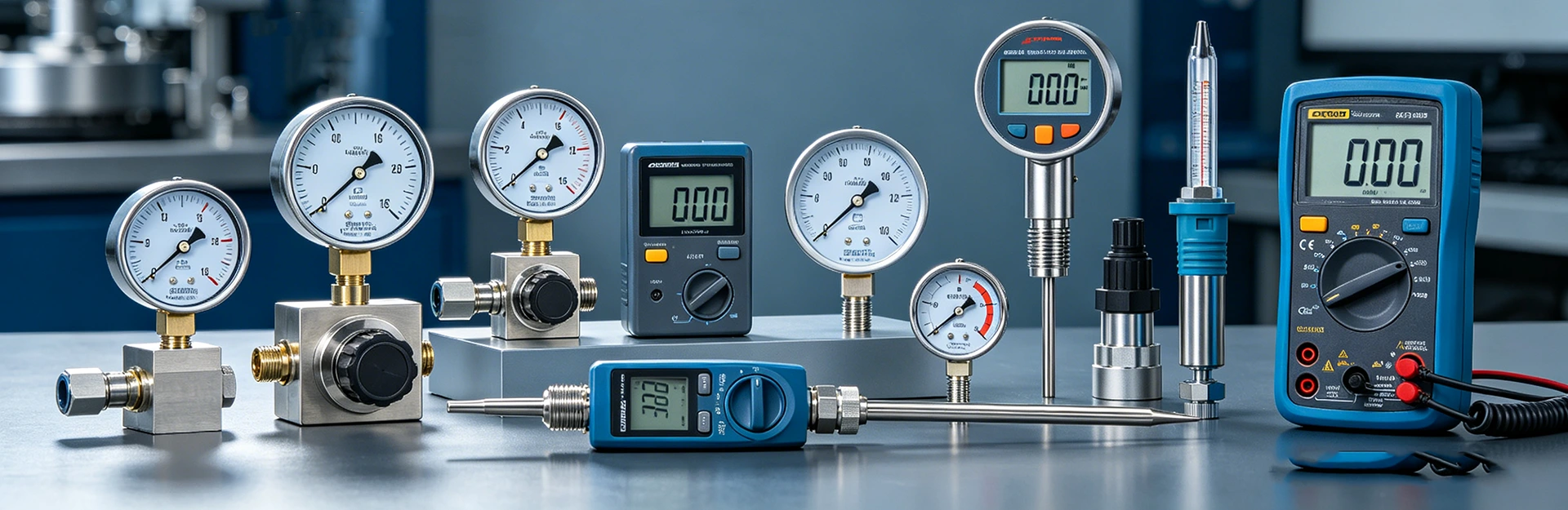
Detector
Understanding the Core Technology: How Does a Detector Work?
At its most fundamental level, a detector is a device designed to identify, measure, and signal the presence of a specific substance, condition, or physical phenomenon. The underlying technology varies dramatically depending on its designated use. Gas detectors, for instance, commonly employ electrochemical sensors that generate a small electrical current proportional to the gas concentration, or infrared (IR) sensors that measure the absorption of specific IR wavelengths. Metal detectors utilize electromagnetic induction, creating a magnetic field that is disrupted by metallic objects. Radiation detectors, like Geiger-Müller tubes, ionize gas when radiation passes through, producing a measurable pulse. Regardless of the specific mechanism, the core principle remains: translating an invisible or intangible signal into a reliable, quantifiable output—be it a digital readout, an audible alarm, or a visual indicator. This conversion of environmental data into actionable information is what makes detectors indispensable across countless sectors.
Comprehensive Product Parameter Breakdown
To select the right detector for your application, a deep understanding of its technical specifications is paramount. Below is a detailed list and table summarizing the critical parameters you must evaluate.
Key Specifications List
- Detection Principle: The core technology (e.g., Electrochemical, Catalytic Bead, PID, Infrared, Electromagnetic Induction).
- Target Substance/Parameter: The specific gas, metal, radiation, or condition the device is calibrated for.
- Measurement Range: The span between the minimum detectable level and the maximum safe operating level (e.g., 0-1000 ppm for CO, 0-100% LEL for combustibles).
- Resolution: The smallest change in concentration the device can display (e.g., 1 ppm, 0.1% LEL).
- Accuracy: Typically expressed as a percentage of the reading or full scale, indicating how close the measurement is to the true value.
- Response Time (T90): The time required for the sensor to reach 90% of the final reading after exposure to a target.
- Operating Temperature & Humidity Range: The environmental conditions under which the device will perform within its specified accuracy.
- Power Supply & Battery Life: Details on battery type (rechargeable Li-ion, AA), operational lifetime per charge, and power-saving modes.
- Outputs & Connectivity: Available interfaces such as 4-20 mA analog, RS-485, USB, Bluetooth, or Wi-Fi for data logging and system integration.
- Protection Rating (IP Code): The level of sealing against dust and water ingress (e.g., IP65, IP67).
- Alarm Types: Visual (LEDs, display flashing), audible (buzzer >90dB), and sometimes vibration alerts.
- Certifications: Compliance with regional and international safety standards (e.g., ATEX, IECEx, UL, CSA).
Comparative Parameter Table for Different Detector Types
| Parameter | Portable Multigas Detector | Fixed Gas Detection System | Handheld Metal Detector | Personal Radiation Detector |
|---|---|---|---|---|
| Primary Use | Personal safety, confined space entry, leak detection | Continuous area monitoring in plants, refineries | Security screening, treasure hunting, construction | Personal safety for first responders, nuclear industry |
| Typical Range | 0-1000 ppm (toxic), 0-100% LEL (combustible) | 0-100% LEL, ppm levels for toxics | Depth indication (inches/cm), discrimination modes | 0.1 µSv/h to 10 mSv/h |
| Accuracy | ±3-5% of reading | ±2-3% of full scale | Varies by depth and object size | Typically ±15% |
| Response Time | < 30 seconds | < 20 seconds | Instantaneous | < 3 seconds |
| Power/Battery | Rechargeable, 12-24 hours | Mains-powered with backup | AA batteries, 20-40 hours | AA or rechargeable, long life |
| Key Certification | ATEX, IECEx for hazardous areas | SIL 2 rating, ATEX | CE, FCC | ANSI N42.32, CE |
Applications Across Industries
The versatility of detectors means they are deployed in a vast array of settings. In Oil & GasChemical Manufacturing, fixed and portable gas detectors are critical for monitoring leaks of H2S, CO, and combustible gases, ensuring worker safety and preventing catastrophic explosions. The Mining Industry relies on methane detectors to warn of explosive atmospheres. Within Public Safety and Security, handheld metal detectors screen for weapons at airports and events, while radiation detectors scan for illicit nuclear materials. Environmental Monitoring agencies use specialized detectors to measure pollutants like VOCs (Volatile Organic Compounds) in air and water. In Pharmaceutical and Laboratory environments, oxygen deficiency monitors protect personnel in rooms where inert gases like nitrogen are used. Even in Home Safety, smoke detectors and carbon monoxide detectors are ubiquitous, life-saving applications of the technology. For professionals seeking reliable equipment across these diverse fields, a trusted source like instruments-meters.net offers a curated selection of detectors tailored to specific industrial needs.
Frequently Asked Questions (FAQ)
Q: How often should I calibrate my gas detector?
A: Calibration frequency depends on usage, sensor type, manufacturer recommendations, and regulatory requirements. A common baseline is a monthly "bump test" (exposing the device to gas to verify alarm function) and a full calibration every 3 to 6 months. Sensors exposed to extreme conditions, poisons, or inhibitors may require more frequent calibration. Always adhere to your local safety protocols and the guidelines provided by the manufacturer or your supplier, such as those available through instruments-meters.net.
Q: What is the difference between LEL and ppm readings on a gas detector?
A: LEL (Lower Explosive Limit) and ppm (parts per million) are different units of measurement. LEL represents the minimum concentration of a flammable gas or vapor in air required to ignite, expressed as a percentage. 100% LEL is the explosive threshold. PPM is used for measuring toxic gas concentrations, representing the number of molecules of the target gas per million molecules of air. For example, a detector might read 10% LEL for methane (flammable risk) and 25 ppm for carbon monoxide (toxic risk).
Q: Can a metal detector distinguish between different types of metals?
A: Yes, many mid-to-high-range handheld and ground-search metal detectors feature discrimination modes. This function works by analyzing the phase shift and conductivity of the detected object's signal. The device can be set to ignore signals from undesirable metals like iron (nail) while still alerting to non-ferrous metals like copper, silver, or aluminum. The level of discrimination precision varies significantly by model and technology.
Q: What does an IP rating mean for a detector, and what do I need?
A: IP (Ingress Protection) rating defines the level of protection against solids and liquids. The first digit (0-6) indicates dust resistance; the second digit (0-9K) indicates water resistance. For example, IP54 offers dust-protected and splash-water resistance, suitable for general outdoor use. IP67 is dust-tight and can withstand immersion in 1 meter of water for 30 minutes, ideal for harsh environments. For demanding industrial or fieldwork, a rating of IP65 or higher is often recommended.
Q: Why does my detector have a limited sensor lifespan, and when should I replace it?
A: Most detector sensors are consumable components with a finite operational life. Electrochemical gas sensors, for instance, typically last 2-3 years as the electrolyte dries out or the electrode depletes. PID lamps degrade over time. The lifespan is affected by exposure to target gases, temperature extremes, and humidity. Performance will gradually drift and eventually fail. Manufacturers specify an expected service life. It is crucial to track sensor age and replace them proactively, a process streamlined by sourcing from knowledgeable providers like instruments-meters.net who can provide genuine replacement sensors and lifecycle support.
Q: What is the significance of ATEX or IECEx certification?
A: ATEX (EU) and IECEx (International) are certifications for equipment intended for use in explosive atmospheres (hazardous areas). They confirm that the detector's design prevents it from igniting surrounding flammable gases or dusts. If your work environment has classified hazardous zones (e.g., Zone 1, Zone 2 for gases; Zone 21, Zone 22 for dust), you are legally obligated to use equipment with the appropriate certification. Using a non-certified detector in such an area poses a severe safety risk and is typically a regulatory violation.
- View as