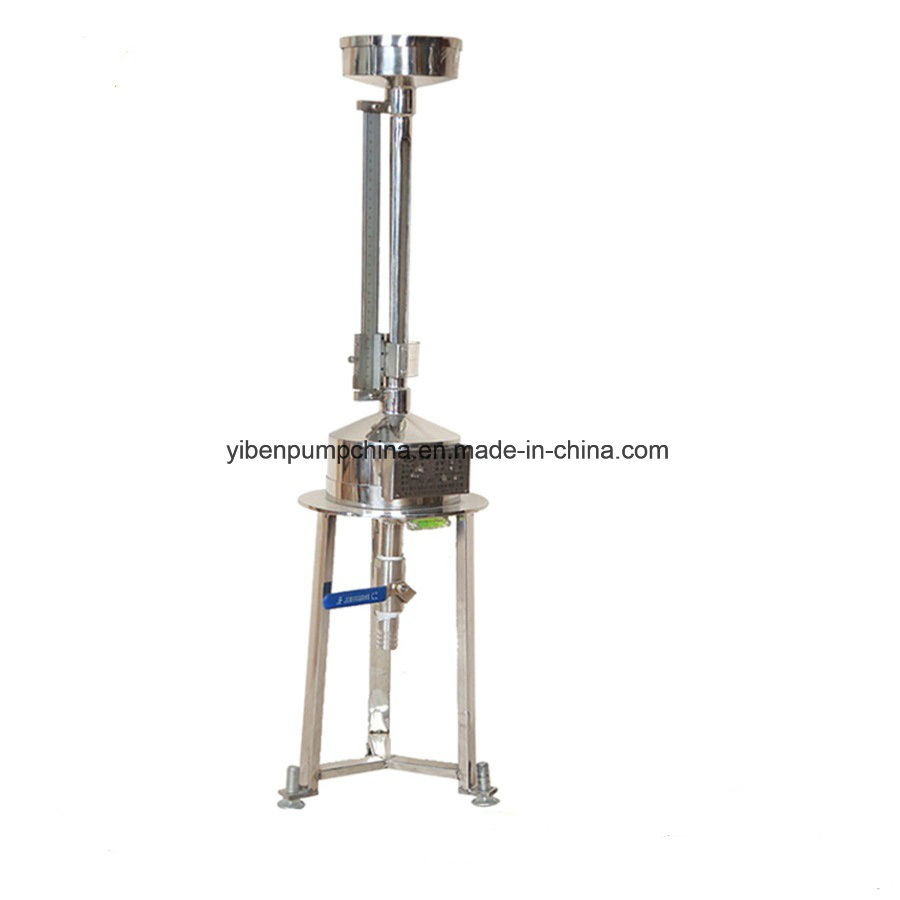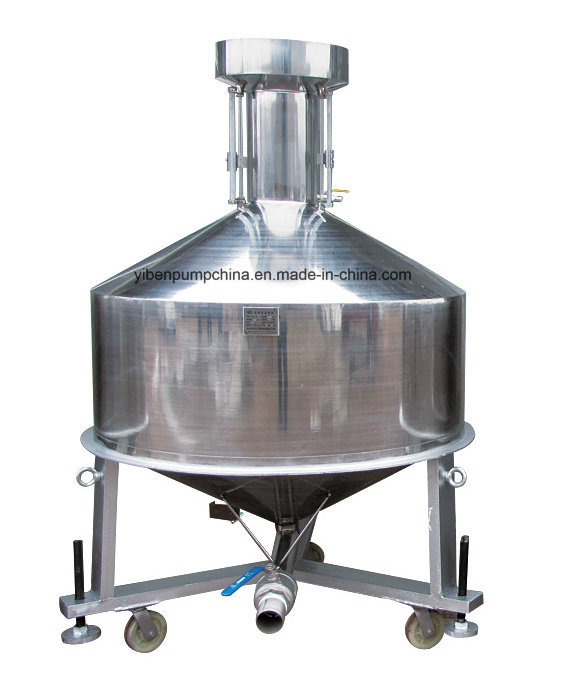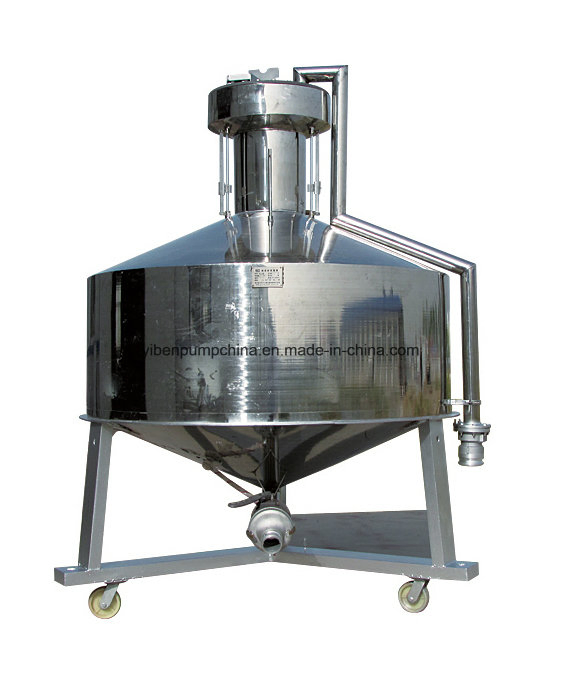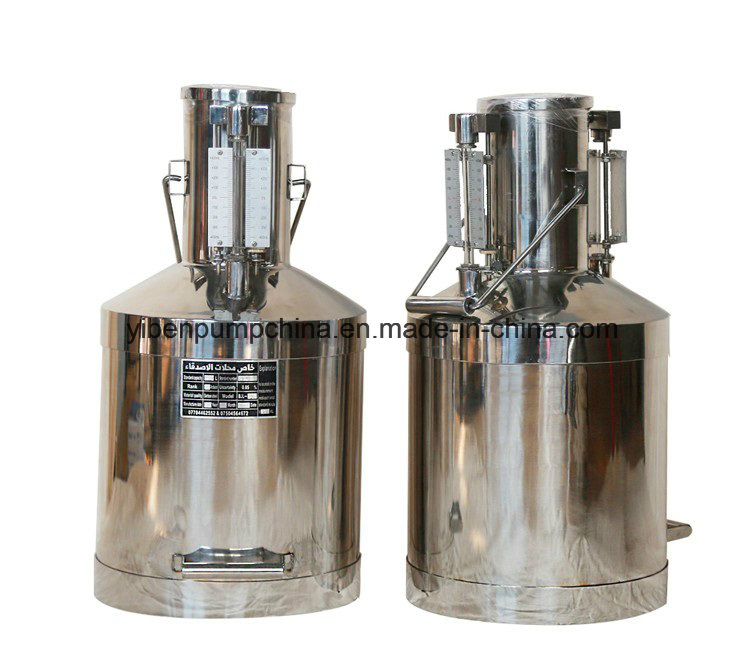
Measuring Device
instruments-meters.net presents this comprehensive guide to Measuring Device technology, detailing the precision instruments essential for industrial, laboratory, and field applications. Our expertise ensures you select the optimal tool for accuracy, reliability, and efficiency.
### Core Parameters of Precision Measuring Devices
Understanding the technical specifications is crucial for selecting the right instrument. Below are the key parameters that define performance.
**Primary Technical Specifications:**
* **Measurement Range:** The minimum and maximum values the device can accurately measure.
* **Resolution:** The smallest change in the measured quantity that can be detected and displayed.
* **Accuracy:** The degree of closeness between a measured value and the true value, often expressed as a percentage of reading or full scale.
* **Precision (Repeatability):** The degree to which repeated measurements under unchanged conditions show the same results.
* **Response Time:** The time required for the instrument's output to reach a specified percentage of its final value after a step change in the measured variable.
* **Operating Temperature Range:** The environmental temperature limits within which the device maintains its specified accuracy.
* **Output Signal:** The type of signal provided (e.g., analog 4-20mA, digital Modbus, USB, wireless Bluetooth).
* **Power Supply:** Required voltage and type (e.g., DC battery, AC mains, loop-powered).
* **Ingress Protection (IP) Rating:** A code defining protection levels against solid objects and liquids (e.g., IP65 for dust-tight and water jet protection).
* **Sensor Type:** The underlying technology (e.g., strain gauge, piezoelectric, capacitive, optical).
### Product Specification Tables
To facilitate comparison, here are detailed specifications for two common categories of measuring devices available at instruments-meters.net.
**Table 1: Digital Pressure Transmitter Series PX-800**
| Parameter | Specification | Notes |
| :--- | :--- | :--- |
| **Model** | PX-810 (Gauge), PX-820 (Absolute) | |
| **Measurement Range** | 0...100 mbar to 0...600 bar | 15+ selectable ranges |
| **Accuracy** | ±0.1% of full scale (FS) | Includes non-linearity, hysteresis, repeatability |
| **Long-Term Stability** | ≤ ±0.1% FS per year | |
| **Output Signals** | 4-20mA (2-wire), 0-10V, RS485 Modbus | Selectable via software |
| **Media Temperature** | -20°C to +85°C | |
| **Process Connection** | G1/2", 1/2" NPT, other options | 316L Stainless Steel |
| **Electrical Connection** | M12 x 1 connector | |
| **IP Rating** | IP67 | Suitable for harsh environments |
| **Power Supply** | 10...30 VDC (for 4-20mA) | |
**Table 2: Portable Multifunction Calibrator MC-200**
| Parameter | Specification | Function |
| :--- | :--- | :--- |
| **Device Type** | Portable Process Calibrator | Source and measure multiple signals |
| **Measure/Source:** | | |
| Voltage | -10 to +10 V | ±0.02% rdg. |
| Current | 0-24 mA | ±0.01% rdg. |
| Resistance | 0-4000 Ω | ±0.02 Ω |
| Frequency | 0-10 kHz | ±0.01% rdg. |
| **Pressure Modules** | Optional (e.g., 0...25 bar) | ±0.05% FS accuracy |
| **Temperature** | Measure RTD & Thermocouples | Types J, K, T, E, N, R, S, Pt100 |
| **Display** | 4.3" Color LCD | Backlit for field use |
| **Battery Life** | >12 hours continuous | Li-ion rechargeable |
| **Communication** | USB, Bluetooth | For data logging and PC software |
| **IP Rating** | IP54 | Protected against dust and water splashes |
### Frequently Asked Questions (FAQ)
**What is the difference between accuracy and precision in a measuring device?**
Accuracy refers to how close a measurement is to the true or accepted standard value. Precision refers to how close repeated measurements are to each other (repeatability). A device can be precise but not accurate (consistent wrong readings), or accurate but not precise (correct on average but with high variability). High-quality instruments from instruments-meters.net are engineered for both high accuracy and high precision.
**How often should I calibrate my measuring instruments?**
Calibration intervals depend on the instrument's criticality, manufacturer's recommendation, frequency of use, and the stability of its operating environment. A general guideline is annual calibration. For devices used in critical processes, under harsh conditions, or where regulatory compliance is required (e.g., ISO 9001), more frequent intervals (semi-annually or quarterly) may be necessary. Always refer to the device manual and your quality management procedures.
**What does an IP rating like IP65 or IP67 mean?**
IP (Ingress Protection) rating is defined by IEC standard 60529. The first digit indicates protection against solid objects (6 = dust-tight). The second digit indicates protection against liquids (5 = protection against low-pressure water jets from any direction; 7 = protection against temporary immersion in water up to 1 meter for 30 minutes). Choosing the correct IP rating is vital for device longevity in specific environments.
**Can I use one measuring device for different types of measurements?**
Some devices are multifunctional. For example, a high-end digital multimeter can measure AC/DC voltage, current, resistance, capacitance, and frequency. A process calibrator can source and measure multiple electrical and physical signals. However, specialized devices (like a laser micrometer or a Coriolis flow meter) are designed for specific, high-accuracy applications and cannot be interchanged. It is essential to match the device's capabilities to your application requirements.
**What factors cause drift in measurement readings over time?**
Measurement drift can be caused by sensor aging, exposure to extreme environmental conditions (temperature, humidity, pressure), mechanical shock or vibration, chemical exposure/corrosion of the sensing element, and electrical overload. Regular calibration and proper handling, as outlined in the technical documentation from instruments-meters.net, help identify and correct for drift.
**How do I choose between an analog and a digital measuring device?**
Analog devices (with a needle gauge) are often used for quick visual trend observation and in environments where digital displays might fail. Digital devices provide exact numerical readouts, often with better resolution, and frequently include data logging, transmission, and advanced diagnostic features. For most modern industrial and laboratory applications requiring data integration and high precision, digital instruments are the standard.
**What is meant by 'response time' and why is it important?**
Response time is the speed at which a measuring device reacts to a change in the measured variable. It is typically defined as the time to reach a certain percentage (e.g., 90% or 63%) of the final stable reading after a step change. This is critical in dynamic processes where rapid changes occur, such as in pressure surges, fast temperature cycles, or fluid flow variations. A slow response time can mean missing crucial process events.
**Are wireless measuring devices as reliable as wired ones?**
Modern wireless measuring devices using industrial-grade protocols (like WirelessHART or ISA100.11a) offer high reliability, security, and battery life suitable for most plant applications. Their advantages include reduced installation costs and flexibility. The choice depends on the application's need for real-time data speed, available infrastructure, power availability, and the risk of interference in the specific environment. For mission-critical, high-speed control loops, wired connections are often still preferred.
- View as