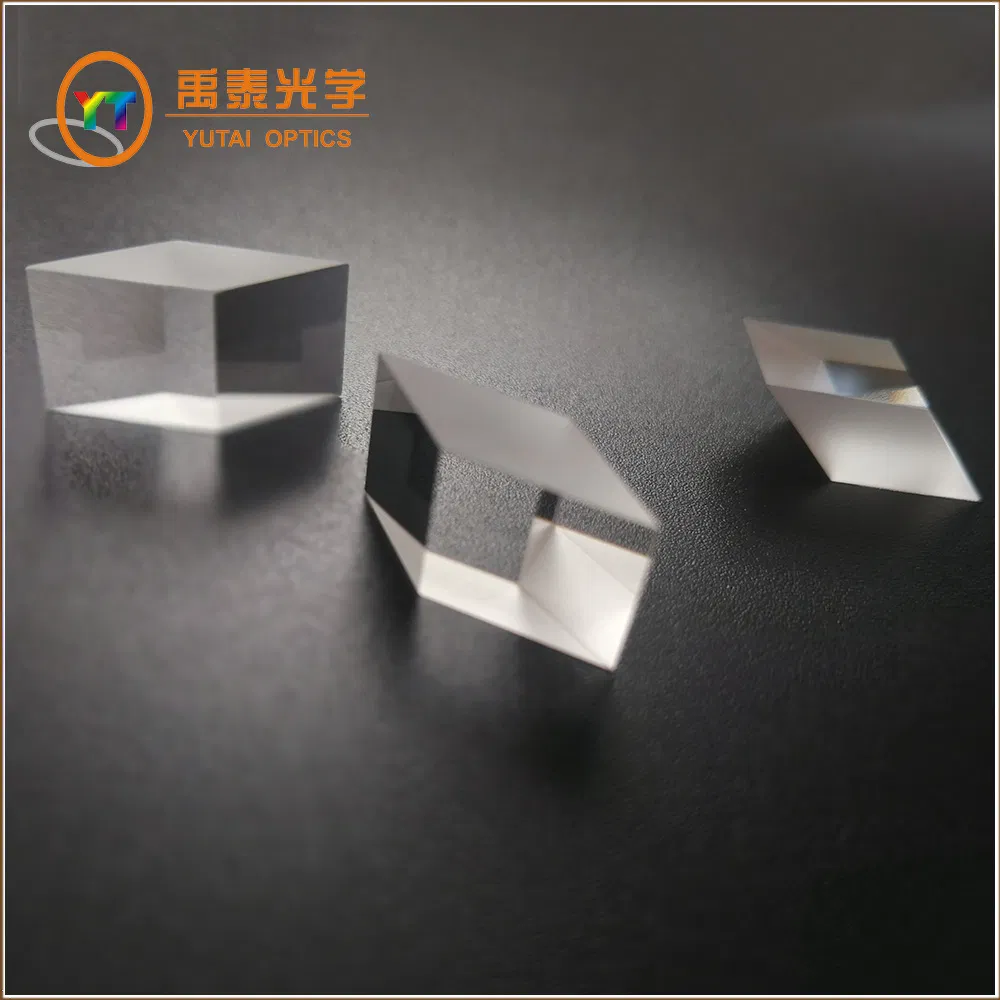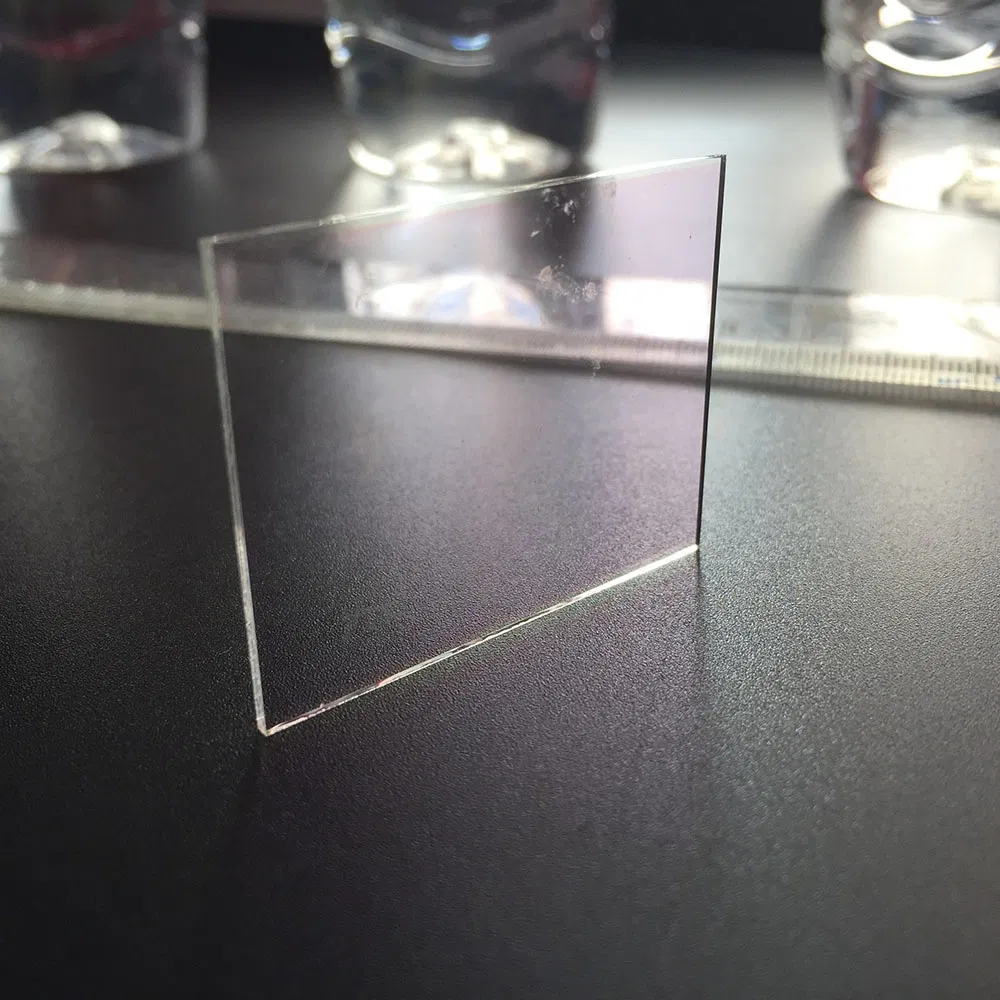
Optical Lens
What is an Optical Lens and How is it Used?
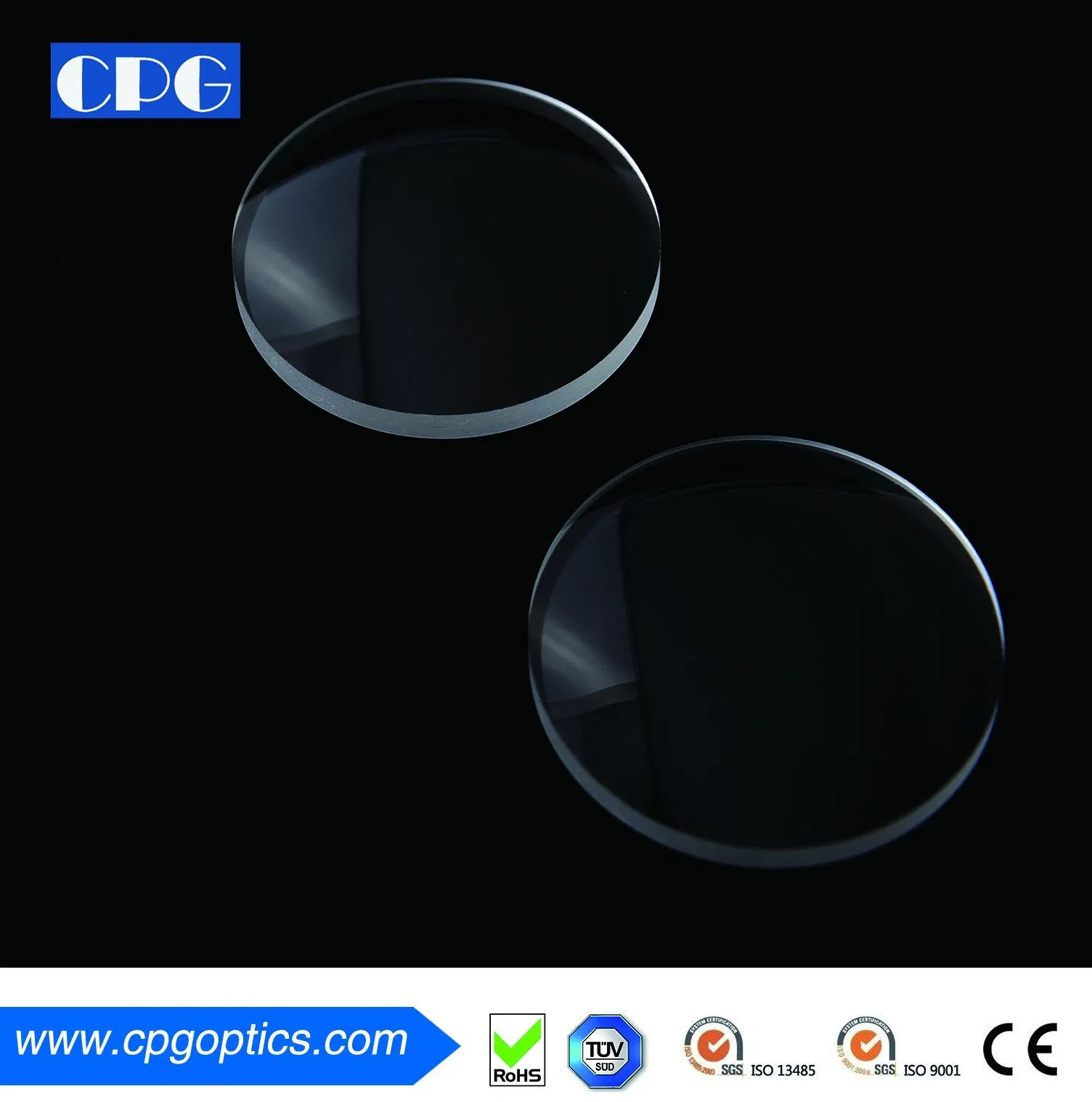
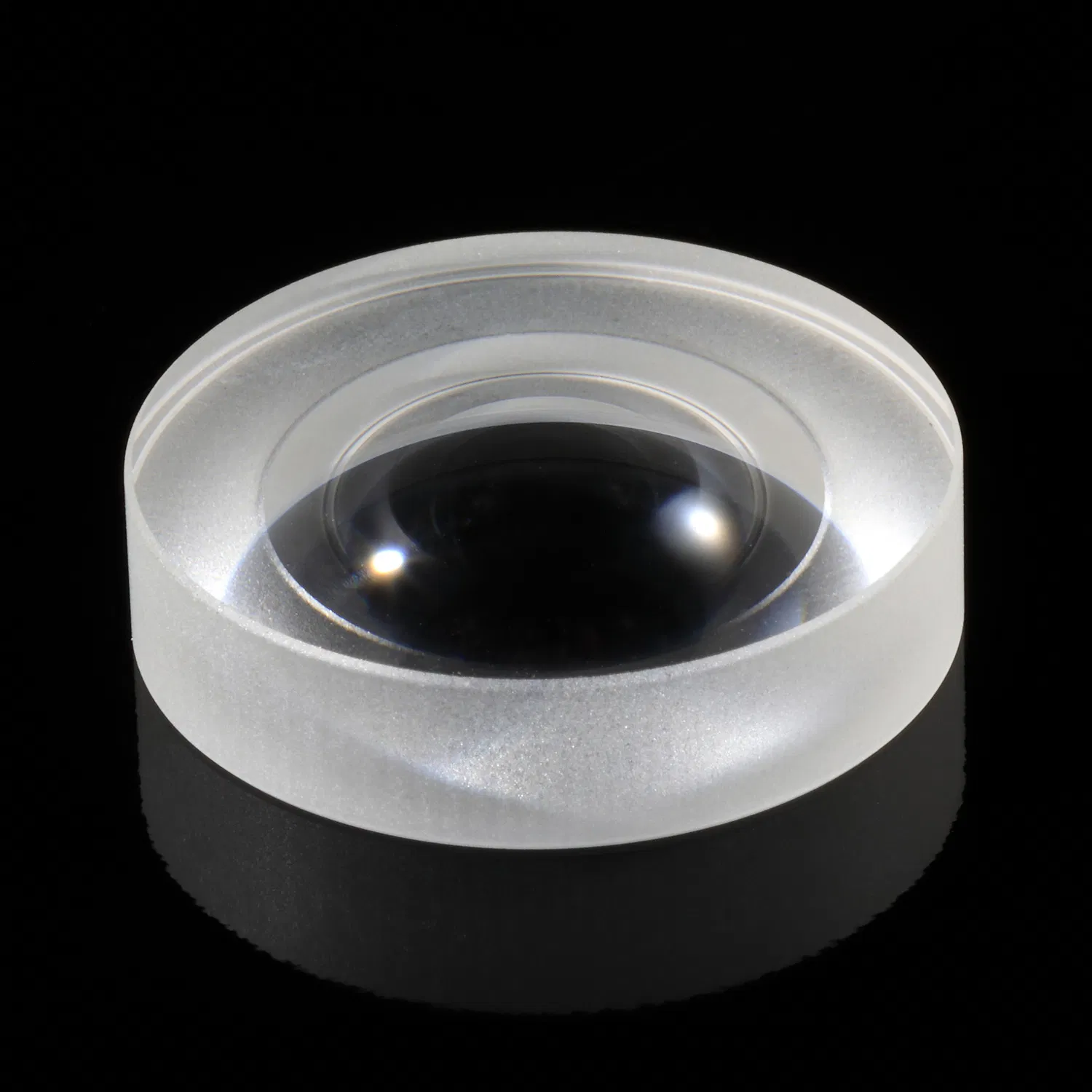
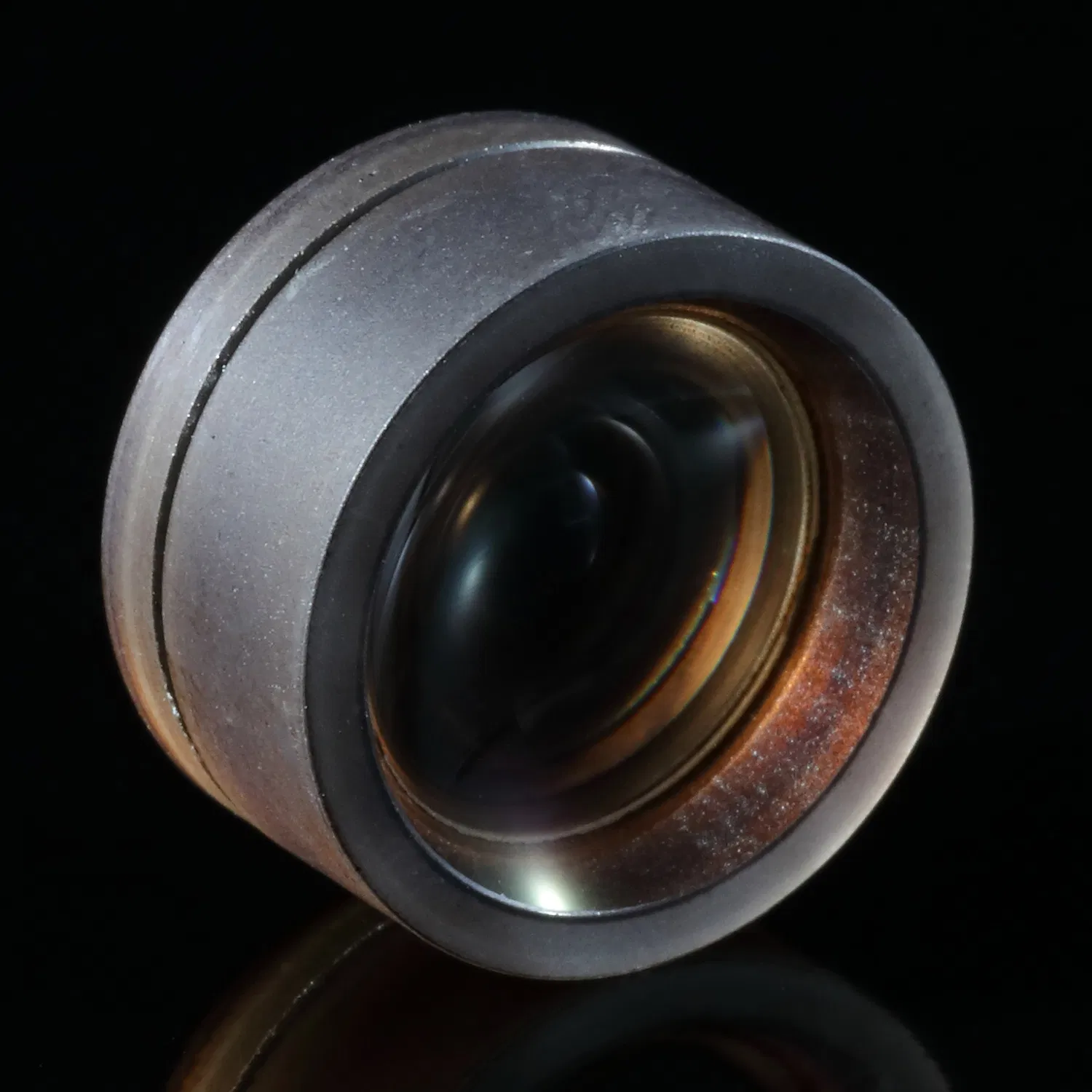
An optical lens is a transparent component, typically made from glass or specialized plastic, designed to converge or diverge light rays through the process of refraction. The primary function is to form images by focusing light, making them indispensable in countless applications across science, industry, and daily life. From the intricate objective lenses in microscopes that reveal cellular structures to the powerful zoom lenses in cameras capturing distant landscapes, optical lenses shape how we see and measure the world. At instruments-meters.net, we specialize in providing high-precision optical lenses engineered for accuracy and durability in demanding professional environments, ensuring your instruments deliver reliable and clear results every time.
Key Specifications and Product Parameters
Selecting the correct optical lens requires a detailed understanding of its technical specifications. Below is a breakdown of the critical parameters that define lens performance and suitability for specific tasks.
Core Optical Parameters
- Focal Length (f): The distance from the lens's principal point to its focal point. It determines the lens's magnifying power and field of view. Shorter focal lengths provide a wider field of view, while longer ones offer higher magnification.
- Aperture (f/#): Expressed as the f-number (e.g., f/2.8, f/4), it is the ratio of the focal length to the diameter of the entrance pupil. A lower f-number indicates a larger aperture, allowing more light to pass through, which is crucial for low-light performance and achieving a shallow depth of field.
- Diameter (D): The physical size of the lens element, which influences the amount of light it can gather and its overall compatibility with optical mounts and systems.
- Center Thickness (CT): The thickness of the lens at its center point. This parameter is vital for lens design and affects the overall optical path length and aberrations.
- Radius of Curvature (R): The radius of the spherical surface of the lens. Lenses can have convex (positive R) or concave (negative R) surfaces, defining whether they converge or diverge light.
Material and Coating Specifications
The substrate material and applied coatings are fundamental to lens performance, especially in challenging conditions. Instruments-meters.net lenses utilize premium materials for optimal results.
| Material Type | Refractive Index (nd) | Abbe Number (Vd) | Key Properties & Applications |
|---|---|---|---|
| BK7 (Borosilicate Crown Glass) | ~1.517 | ~64.2 | Excellent transmission from 350nm to 2.0µm. High homogeneity, low bubbles/inclusions. Ideal for visible light applications like microscopy and imaging. |
| Fused Silica | ~1.458 | ~67.8 | Ultra-low thermal expansion, high UV and IR transmission. Perfect for laser systems, UV lithography, and high-temperature environments. |
| Sapphire | ~1.768 | ~72.2 | Extremely hard (9 on Mohs scale), highly scratch and chemical resistant. Used in harsh environments, aerospace windows, and high-pressure viewports. |
| N-BK7 (Low Fluorescence Grade) | ~1.517 | ~64.2 | Specially processed to minimize auto-fluorescence. Critical for fluorescence microscopy and other sensitive biomedical imaging techniques. |
Advanced Performance Metrics
| Performance Metric | Definition | Impact on Image Quality |
|---|---|---|
| Modulation Transfer Function (MTF) | A measure of the lens's ability to transfer contrast from the object to the image at various spatial frequencies. | A high MTF value across high frequencies indicates superior resolution and sharpness, capturing fine details. |
| Wavefront Error (RMS) | The root-mean-square deviation of the actual wavefront from a perfect spherical wavefront. | Lower wavefront error means fewer optical aberrations, leading to higher fidelity and more accurate imaging. |
| Surface Quality (Scratch-Dig) | A specification (e.g., 10-5) defining allowable surface imperfections (scratch width and dig diameter). | Tighter specifications (e.g., 20-10, 10-5) minimize scattered light, reducing glare and improving contrast. |
| Transmission Percentage | The percentage of incident light that passes through the lens at a designated wavelength range. | High transmission (e.g., >99.5% with AR coatings) maximizes light throughput, essential for low-light or spectral analysis. |
Optical Lens FAQ
General Questions
What is the difference between a spherical lens and an aspherical lens?
A spherical lens has a surface that is part of a sphere, which is simpler to manufacture but can introduce spherical aberration, especially in lenses with large apertures. This aberration causes light rays entering at different points to focus at different distances, blurring the image. An aspherical lens features a non-spherical surface profile, meticulously designed to eliminate spherical aberration and other distortions like coma. This results in sharper images, fewer elements needed in a lens assembly, and often a more compact and lightweight design. Instruments-meters.net offers both types, with our aspheric lenses engineered for applications demanding the highest level of precision and clarity.
How do anti-reflective (AR) coatings work, and why are they important?
Anti-reflective coatings are thin-film layers applied to lens surfaces to reduce reflections by exploiting destructive interference. When light hits an uncoated glass-air interface, about 4% of the light is reflected at each surface, leading to ghost images, glare, and a significant loss of transmitted light. AR coatings are designed to cause the light waves reflecting off the coating's top and bottom boundaries to be out of phase, cancelling each other out. This dramatically increases transmission (often to over 99.5% per surface), improves contrast by reducing stray light, and protects the lens surface. Our lenses at instruments-meters.net come with industry-standard or custom AR coatings optimized for specific wavelength bands (e.g., UV, Visible, NIR).
What factors should I consider when choosing a lens material?
Selecting the right lens material involves a careful balance of optical, physical, and environmental requirements. Key considerations include: 1) Transmission Range: Ensure the material transmits efficiently across your working wavelengths (e.g., Fused Silica for deep UV, Germanium for IR). 2) Refractive Index & Dispersion: The index affects lens curvature and power; the Abbe number indicates chromatic dispersion—important for color correction. 3) Environmental Durability: Consider hardness, chemical resistance, and thermal stability. For harsh conditions, Sapphire or hardened substrates are superior. 4) Laser Damage Threshold: For high-power laser applications, a material with a high LDT like Fused Silica is critical. Our experts at instruments-meters.net can guide you through this selection based on your application's specific demands.
Technical & Application Questions
What is the significance of the Abbe Number (Vd)?
The Abbe Number, or V-number, is a measure of a material's dispersion—its variation of refractive index with wavelength. A high Abbe Number (e.g., above 55) indicates low dispersion, meaning the material bends different colors of light by similar amounts, minimizing chromatic aberration (color fringing). A low Abbe Number signifies high dispersion, which can be useful in prisms for splitting light but problematic in imaging lenses if not corrected. In compound lens systems, designers combine elements with high and low Abbe Numbers to cancel out chromatic effects, creating achromatic or apochromatic lenses that bring multiple wavelengths to a common focus. All materials used by instruments-meters.net have certified Abbe Numbers for precise optical design.
How do I interpret the Scratch-Dig specification on a lens drawing?
The Scratch-Dig specification (e.g., 60-40, 20-10, 10-5) is a standardized method (per MIL-PRF-13830B) for defining the maximum allowable surface imperfections. The first number (Scratch) refers to the width of a reference scratch in tenths of a micron (so "10" means 1.0-micron width). The second number (Dig) refers to the diameter of a permissible dig (pit) in hundredths of a millimeter (so "5" means 0.05 mm diameter). A tighter specification like 10-5 denotes a higher quality, smoother surface with minimal defects, which is crucial for reducing light scatter in high-performance imaging or laser systems. For most precision instruments, a 60-40 is commercial grade, 40-20 is precision, and 20-10 or better is needed for critical applications.
Can custom optical lenses be designed for a specific non-standard application?
Absolutely. At instruments-meters.net, a core part of our service is providing custom optical solutions. We collaborate with clients to design, prototype, and manufacture lenses tailored to unique parameters. This process includes defining custom diameters, focal lengths, thicknesses, materials for extreme environments (high radiation, cryogenic temperatures), specialized coatings for specific laser lines or broadband performance, and even complex aspheric or cylindrical profiles. Whether you need a lens for a specialized medical device, a unique sensor in industrial automation, or a research-grade scientific instrument, our engineering team can develop a solution that meets exact performance, size, and durability requirements.
Care and Maintenance
What is the proper way to clean a precision optical lens?
Improper cleaning is a leading cause of damage to optical surfaces. Always follow this procedure: 1) Remove Loose Particles: Use a dry, clean air blower (canned air held upright) or a very soft brush (sable hair) to gently dislodge dust. Never wipe a dusty surface, as this can scratch it. 2) Apply Solvent: If smudges or fingerprints remain, apply a few drops of a high-purity solvent like reagent-grade acetone or methanol to a lens tissue or microfiber cloth. Never pour solvent directly onto the lens. 3) Wipe Gently: Using the moistened cloth, wipe the lens in a straight line from the center to the edge using light pressure. Rotate the cloth to a clean area and repeat if necessary. Use a circular motion only for small, stubborn spots. Avoid excessive pressure. For lenses from instruments-meters.net with delicate coatings, we recommend consulting our specific handling guide.
How should optical lenses be stored when not in use?
Proper storage prevents contamination and physical damage. Lenses should be stored in a clean, dry, and temperature-stable environment. Always place them in their original containers, which are designed to protect the surfaces from contact and often include a desiccant to control humidity. If the original case is unavailable, use a clean, anti-static lens bag or a container lined with lens tissue. Store lenses upright to prevent rolling and potential chipping. Avoid environments with large temperature swings or high humidity, which can promote fungal growth on coated surfaces. For long-term storage of high-value optics from instruments-meters.net, consider a controlled environment like a dry nitrogen purge box.
- View as