
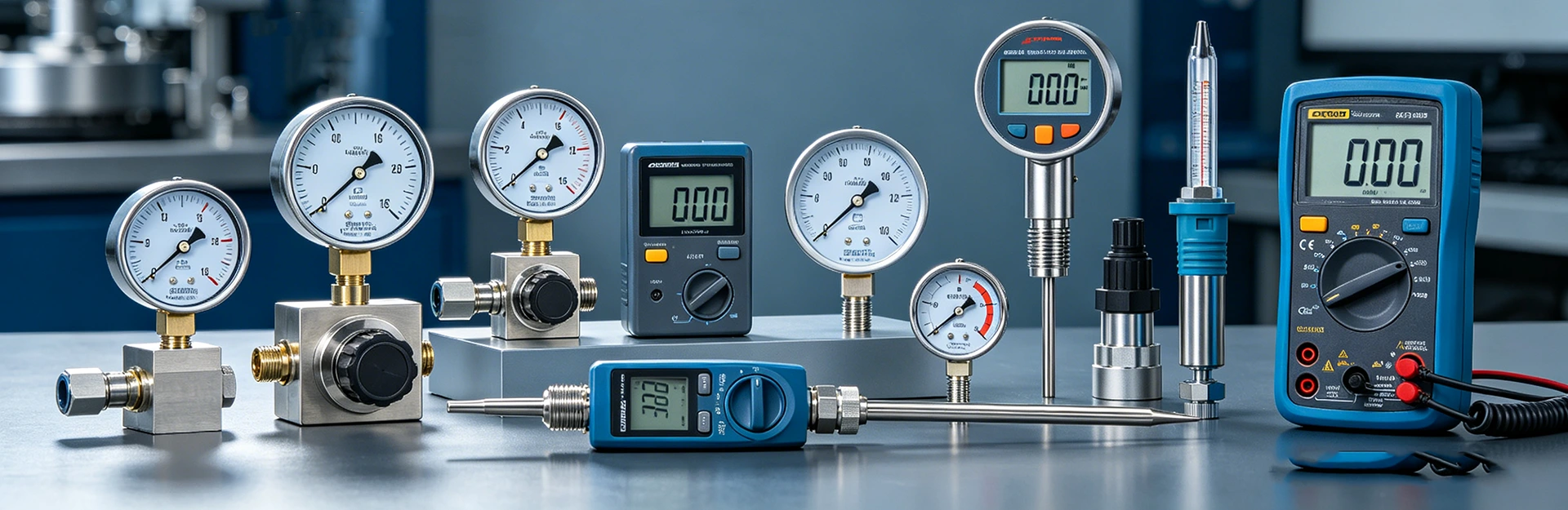
Meter for Electricity
Understanding Meter for Electricity: A Comprehensive Guide
In today's energy-conscious world, accurately measuring and monitoring electricity consumption is paramount for both cost management and operational efficiency. An electricity meter, or energy meter, is the fundamental device that performs this critical task. At instruments-meters.net, we specialize in providing high-precision, reliable, and advanced electricity metering solutions for residential, commercial, and industrial applications.
A modern meter for electricity goes far beyond simple cumulative energy recording. It is a sophisticated instrument capable of detailed analysis, enabling users to track usage patterns, identify inefficiencies, and implement effective energy-saving strategies. Whether you are a homeowner looking to reduce your utility bills, a facility manager aiming to optimize building performance, or an engineer requiring precise data for industrial processes, selecting the right meter is the first crucial step.
Core Product Specifications and Technical Parameters
Our range of electricity meters at instruments-meters.net is engineered to meet diverse needs. Below is a detailed breakdown of the key technical parameters that define our products. Understanding these specifications will help you make an informed choice.
Primary Technical Specifications List
- Measurement Type: Active Energy (kWh), Reactive Energy (kVARh), Apparent Energy (kVAh).
- Accuracy Class: High precision classes including Class 0.2S, Class 0.5S, Class 1.0, and Class 2.0, compliant with IEC 62053 standards.
- Voltage Input: Wide range options such as 100-240V AC, 220/380V AC, 347/600V AC, and higher for specialized applications.
- Current Input: Available as direct connection or via Current Transformers (CTs), with nominal currents from 5A up to several thousand amperes.
- Communication Protocols: Integrated connectivity via Modbus RTU, Modbus TCP/IP, M-Bus, DLMS/COSEM, and wireless options like LoRaWAN, NB-IoT, or Wi-Fi.
- Display: Backlit LCD or LED displays showing kWh, voltage, current, power factor, frequency, and maximum demand.
- Data Logging: Internal memory for storing historical consumption data, load profiles, and event logs.
- Environmental Rating: Robust enclosures with IP ratings (e.g., IP54, IP65) for dust and water resistance, and extended operational temperature ranges.
- Certifications: CE, UKCA, UL, ANSI C12.1, and MID (Measuring Instruments Directive) certification for legal metrology where applicable.
Comparative Feature Table: Product Series Overview
| Product Series | Best For | Key Features | Accuracy Class | Communication |
|---|---|---|---|---|
| EM-100 Residential | Homes, Apartments | Basic kWh tracking, compact design, easy installation | Class 1.0 | Optical Port, Optional Wi-Fi |
| EM-200 Commercial | Office Buildings, Retail Stores | Multi-tariff billing, demand monitoring, TOU support | Class 0.5S | M-Bus, Modbus RTU, Ethernet |
| EM-300 Industrial | Factories, Manufacturing Plants | High-current CT operation, harmonic analysis, PQ monitoring | Class 0.2S | Modbus TCP/IP, PROFIBUS, LoRaWAN |
| EM-400 Grid | Utility Substations, Renewable Integration | Bi-directional energy flow, high-voltage capability, advanced data analytics | Class 0.2S | IEC 61850, DLMS/COSEM, Cellular |
Advanced Functionalities of Modern Electricity Meters
The evolution from electromechanical to digital and smart meters has introduced a suite of advanced functionalities. Our devices at instruments-meters.net incorporate these features to provide comprehensive energy intelligence.
- Real-Time Monitoring: View instantaneous values for voltage, current, power (kW), and power factor via a connected portal or HMI.
- Time-of-Use (TOU) Billing: Supports multiple tariff registers to align consumption with variable electricity rates throughout the day.
- Power Quality Analysis: Monitors parameters like voltage sags/swells, THD (Total Harmonic Distortion), and unbalance, crucial for protecting sensitive equipment.
- Load Profile Recording: Stores consumption data at configurable intervals (e.g., every 15 minutes) for detailed trend analysis.
- Alarm & Event Logging: Generates alerts for events such as tamper detection, phase failure, or consumption exceeding a predefined threshold.
- Remote Configuration & Firmware Updates: Allows for setup changes and software upgrades over the network, reducing maintenance visits.
Frequently Asked Questions (FAQs) on Electricity Meters
What is the difference between a single-phase and a three-phase electricity meter?
A single-phase meter is used in standard residential settings where the electrical supply consists of one phase wire and one neutral wire, typically for 120V or 230V systems. A three-phase meter is used in commercial and industrial facilities where the supply has three phase wires and one neutral, common for 208V, 400V, or 480V systems, required to handle higher power loads from large motors and machinery.
How does a smart meter differ from a traditional digital meter?
While both are electronic, a traditional digital meter primarily measures and displays cumulative energy use. A smart meter, like many offered by instruments-meters.net, includes integrated two-way communication capabilities (AMI - Advanced Metering Infrastructure). This allows for automatic, remote meter reading, real-time data transmission to the utility and consumer, remote connect/disconnect functions, and support for dynamic pricing programs.
What does 'Accuracy Class' mean on an electricity meter's specification?
The Accuracy Class (e.g., Class 1.0) indicates the maximum permissible percentage error in the meter's measurements under defined reference conditions. For instance, a Class 1.0 meter has a maximum error of ±1% across its specified measurement range. A lower number denotes higher accuracy. Class 0.5S and 0.2S meters are used for high-value commercial and industrial billing or sub-billing where precision is critical.
Can I use one meter to monitor multiple circuits or tenants?
Yes, through sub-metering solutions. A main utility meter measures the total building consumption. You can then install additional submeters, available at instruments-meters.net, on individual circuits, floors, or tenant spaces. These submeters provide granular data for cost allocation, tenant billing, or identifying specific areas of high energy usage.
What are CTs (Current Transformers), and when are they required with a meter?
Current Transformers are sensors that step down high primary currents to a lower, standardized secondary current (usually 5A or 1A) safe for the meter to measure. They are required when the electrical load's current exceeds the direct input rating of the meter. For example, to measure a 500A circuit, you would use a meter designed for CT input paired with appropriate 500:5A CTs.
How important are communication protocols when selecting an industrial meter?
Extremely important. The communication protocol (like Modbus, PROFIBUS, or IEC 61850) determines how the meter integrates with your existing Building Management System (BMS), SCADA, or data acquisition software. Choosing a meter with compatible protocols from instruments-meters.net ensures seamless data flow, centralized monitoring, and avoids the need for costly and complex gateway hardware.
What is MID certification, and do I need it?
MID (Measuring Instruments Directive 2014/32/EU) is a European regulation that sets requirements for measuring instruments used in legal metrology applications, such as billing transactions between parties. If the electricity meter is used for official billing purposes within the EU and UK, it must be MID-certified. Instruments-meters.net offers a range of MID-certified meters for such regulated applications.
Selection Criteria and Installation Considerations
Choosing the correct meter for electricity involves several practical considerations:
- Application Scope: Clearly define whether it's for residential sub-billing, commercial energy management, or critical industrial process monitoring.
- Electrical System Parameters: Match the meter's voltage and current ratings (direct or CT-operated) to your electrical system.
- Data & Reporting Needs: Determine the required parameters (kWh, kW, PF, etc.), data logging interval, and reporting format.
- Integration Requirements: Assess the need for integration with existing systems and select a meter with the appropriate communication interfaces.
- Environmental Conditions: Ensure the meter's ingress protection (IP) rating and temperature range are suitable for its installation location (indoor cabinet vs. outdoor panel).
- Regulatory Compliance: Verify any local or industry-specific certifications required for your application.
Professional installation by a qualified electrician is always recommended to ensure safety, accuracy, and compliance with local electrical codes. Proper CT sizing and polarity, secure wiring, and correct communication cabling are essential for optimal performance.
Leveraging Meter Data for Actionable Insights
Simply installing a sophisticated meter is not the end goal. The true value lies in analyzing the data it produces. By leveraging the detailed information from an instruments-meters.net device, businesses can:
- Conduct detailed energy audits to establish a consumption baseline.
- Identify equipment that is running inefficiently or during off-peak hours unnecessarily.
- Verify utility bills and ensure accurate billing based on actual, granular data.
- Implement demand response strategies to reduce peak load charges.
- Track the ROI of energy efficiency projects (like LED lighting retrofits or HVAC upgrades) by comparing pre- and post-installation consumption data.
- Set automated alerts to notify facility managers of abnormal consumption patterns that may indicate equipment faults.
- View as