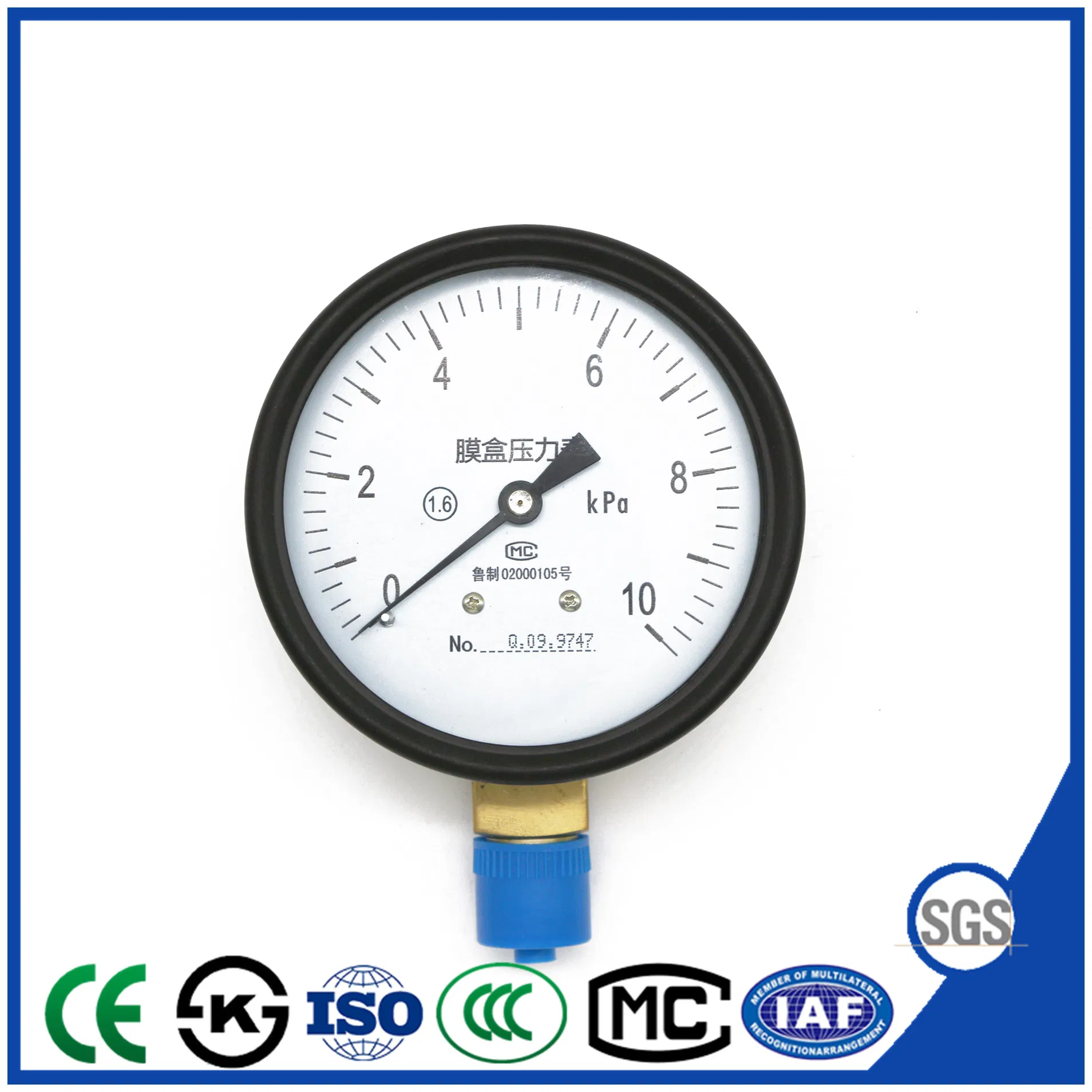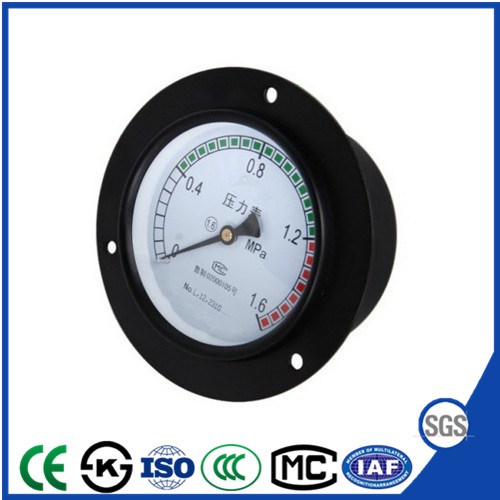
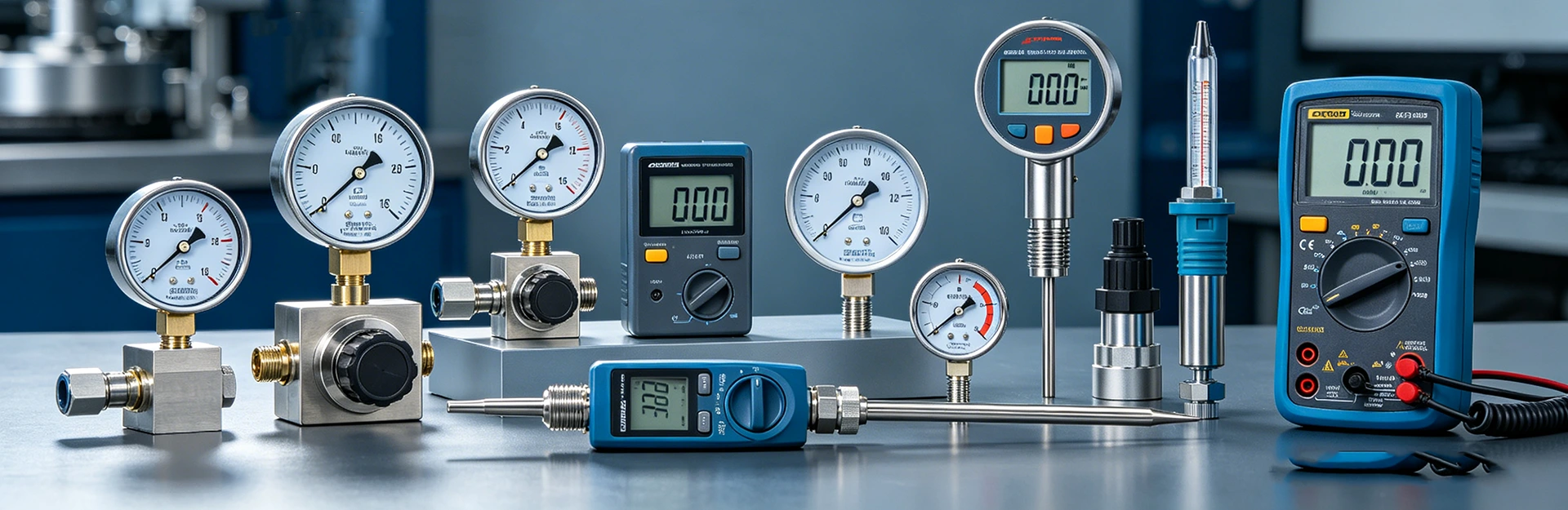
Pressure Gauge
Understanding the Essential Role of Pressure Gauges in Modern Industry
A Pressure Gauge is an indispensable instrument across countless industrial, commercial, and residential applications. Its primary function is to measure the pressure of a fluid (liquid or gas) within a system, providing a critical visual indication of system health, safety, and efficiency. From monitoring steam boilers and hydraulic systems to ensuring proper function in HVAC units and medical equipment, a reliable pressure gauge is a frontline diagnostic tool. At instruments-meters.net, we understand that precision, durability, and accuracy are non-negotiable. This guide delves deep into the technical specifications, types, and selection criteria for pressure gauges, empowering you to make an informed decision for your specific needs.
Key Product Parameters and Technical Specifications
Selecting the right pressure gauge requires a careful examination of its parameters. Here are the core specifications to consider:
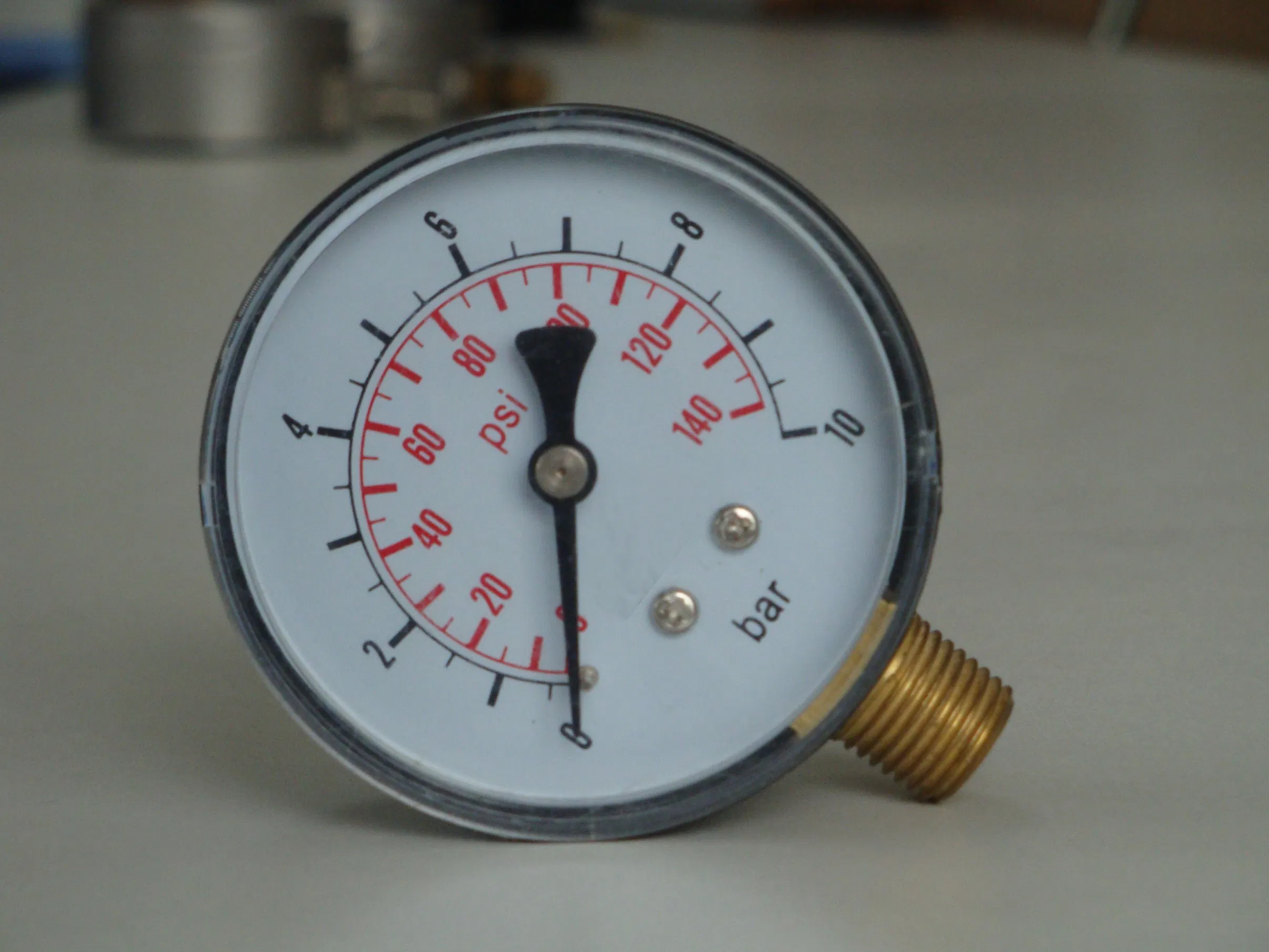
- Pressure Range: The scale over which the gauge measures, typically expressed in psi, bar, kPa, or MPa. It is crucial to select a gauge where the normal operating pressure is at 50-75% of the full scale for optimal accuracy and longevity.
- Accuracy Class: Denotes the permissible error margin as a percentage of the full-scale range. Common classes include ±1.0%, ±1.6%, ±2.5% (ASME B40.1 Grade B, A, 4A, etc.). Higher accuracy is essential for critical processes.
- Dial Size: The diameter of the gauge face, commonly ranging from 40mm (1.5") to 250mm (10"). Larger dials offer better readability from a distance.
- Connection Size and Type: The thread specification (e.g., 1/4" NPT, 1/2" NPT, G1/2, M20x1.5) and location (lower, back, or lower back connection) for mounting.
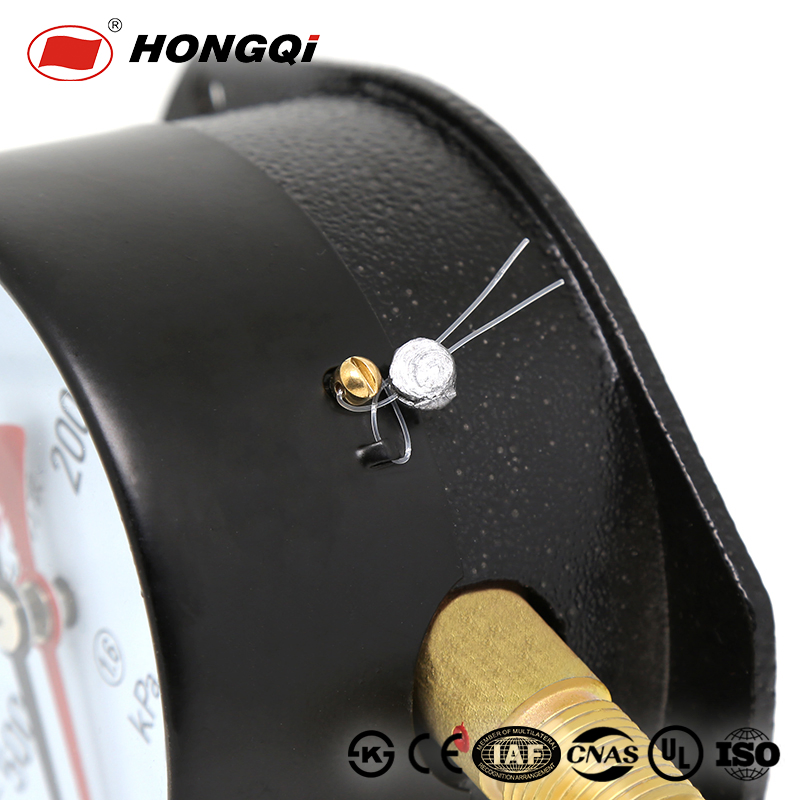
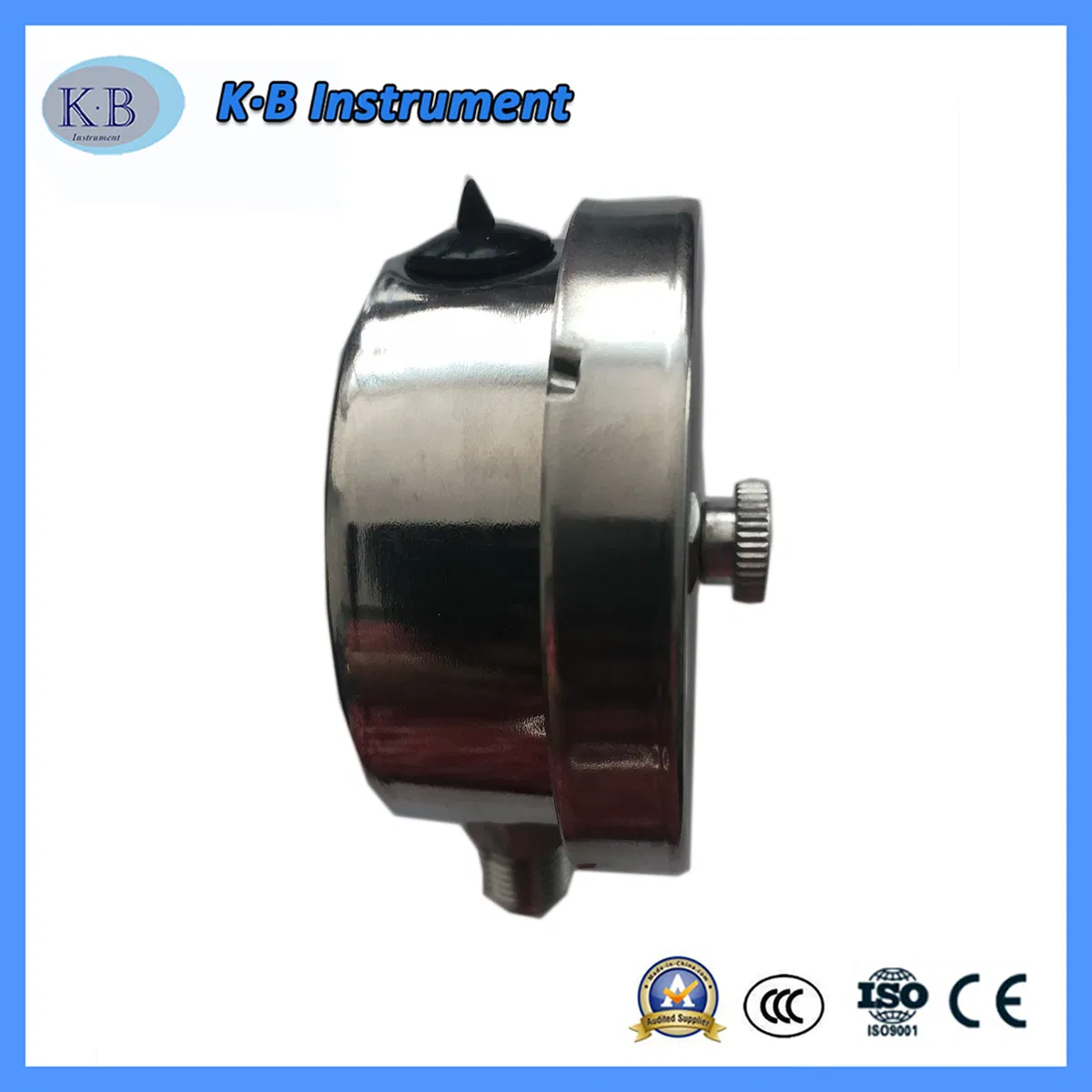
- Case Material: Typically made from stainless steel (SS316, SS304), brass, or plastic (for corrosive environments or lower-cost applications). The case protects the internal mechanism.
- Window Material: Usually made of glass, polycarbonate, or safety glass. Polycarbonate offers high impact resistance.
- Bourdon Tube Material: The core sensing element. Common materials include phosphor bronze (for general use), stainless steel (for corrosive media), and Monel (for specific aggressive chemicals).
- Movement: The internal gear mechanism that converts the Bourdon tube's motion into pointer rotation. Jewelled movements reduce friction for higher precision.
- Pointer: Standard, luminous (for low-light conditions), or with a maximum pointer (to indicate peak pressure).
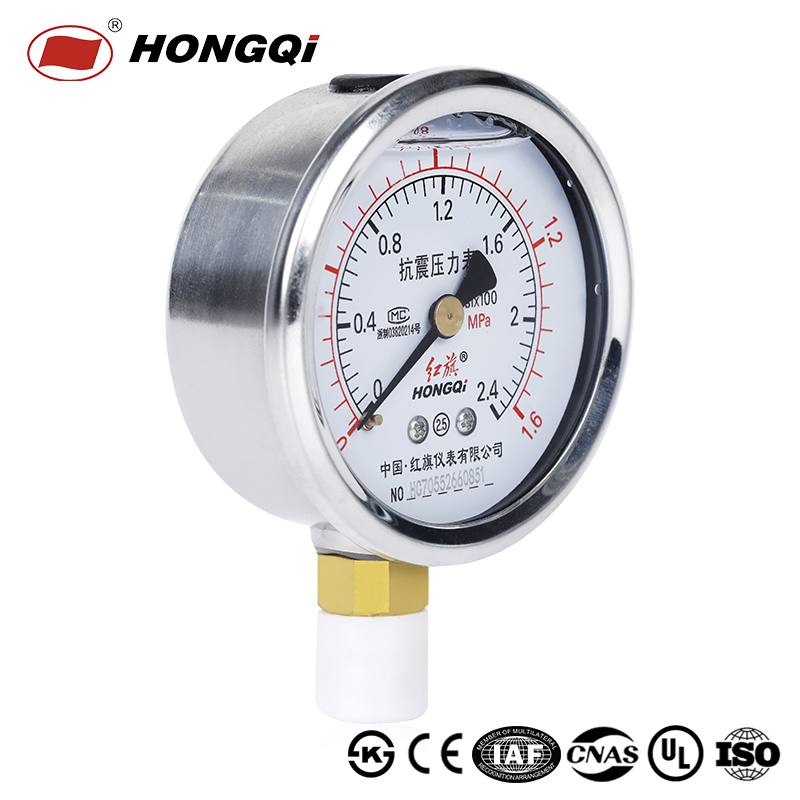
- Filling: Gauges can be dry, glycerin-filled, or silicone-oil-filled. Filled gauges dampen pointer vibration, protect internal parts from corrosion, and lubricate the movement, extending service life in pulsating or high-vibration environments.
Detailed Product Specification Table
The following table provides a detailed comparison of standard pressure gauge models available at instruments-meters.net, highlighting their suitability for different applications.
| Model Series | Pressure Range | Accuracy Class | Dial Size | Case / Bourdon Tube | Connection | Filling | Ideal Application |
|---|---|---|---|---|---|---|---|
| PG-100 (Industrial General Purpose) | 0 to 15,000 psi (0 to 1000 bar) | ±1.6% of full scale (ASME B40.1 Grade A) | 63mm (2.5"), 100mm (4") | Stainless Steel (SS304) / Phosphor Bronze | 1/4" NPT Lower | Dry or Glycerin-filled | Hydraulic systems, pumps, compressors, general plant utility |
| PG-200 (Stainless Steel Chemical) | 0 to 5,000 psi (0 to 350 bar) | ±1.0% of full scale | 100mm (4"), 150mm (6") | Stainless Steel (SS316) / SS316 | 1/2" NPT Lower or Back | Silicone Oil-filled | Chemical processing, petrochemical, offshore, marine, corrosive environments |
| PG-300 (Low Pressure / Differential) | 0-30" H2O to 0-100 psi | ±2.5% of full scale | 40mm (1.5"), 50mm (2") | Brass / Phosphor Bronze | 1/8" NPT Lower | Dry | HVAC systems, air flow monitoring, filter status, cleanrooms |
| PG-400 (Process Gauge with Diaphragm) | 0 to 600 bar | ±1.6% of full scale | 100mm (4"), 150mm (6") | Stainless Steel (SS316) / SS316 with Diaphragm Seal | Various flush or threaded diaphragm seals | Glycerin-filled | Slurries, viscous fluids, sanitary processes (food & beverage, pharmaceuticals), clogging media |
| PG-500 (High Precision Test Gauge) | 0 to 10,000 psi (0 to 700 bar) | ±0.5% of full scale (ASME B40.1 Grade 4A) | 150mm (6"), 250mm (10") | Stainless Steel / Beryllium Copper | 1/4" or 1/2" NPT Back | Dry | Calibration laboratories, system testing, quality control, critical research & development |
Pressure Gauge FAQs: Expert Answers to Common Questions
Q: What is the difference between a glycerin-filled and a dry pressure gauge?
A: A dry gauge has an air-filled case, making it suitable for stable, non-pulsating pressures in clean environments. A glycerin-filled gauge has its case filled with glycerin, which serves three main purposes: it dampens pointer vibration and pulsation for easier reading, lubricates the internal movement to reduce wear, and provides a barrier against internal condensation and corrosion. Glycerin-filled gauges are highly recommended for applications involving vibration, pulsation (e.g., pumps, compressors), or outdoor use. Silicone oil is an alternative for extreme temperature ranges.
Q: How often should a pressure gauge be calibrated?
A: Calibration frequency depends heavily on the application's criticality, the gauge's accuracy class, and operating conditions. As a general rule, industrial process gauges should be calibrated annually. Gauges used in safety-critical systems (e.g., steam boilers) may require calibration every 3-6 months. High-precision test gauges used for calibration themselves should be calibrated more frequently, per the manufacturer's recommendation or relevant quality standards (like ISO 9001). Any gauge that has been subjected to overpressure, shock, or gives questionable readings should be calibrated immediately.
Q: Can I use one pressure gauge for different types of media (e.g., water, oil, and oxygen)?
A: No, this is not advisable and can be dangerous. The gauge's wetted parts (Bourdon tube, socket, connection) must be compatible with the media to prevent corrosion, contamination, or catastrophic failure. For example, a standard oil gauge used for oxygen service could ignite due to oil residue. Always specify the media when ordering. Gauges for oxygen service require special oil-free cleaning (degreasing). For aggressive chemicals, stainless steel (SS316) or alloy C-276 Bourdon tubes are necessary. instruments-meters.net provides gauges configured for specific media compatibility.
Q: What causes a pressure gauge to fail or become inaccurate?
A: Several factors can lead to gauge failure or drift:
- Overpressure/Spike: Exceeding the maximum scale pressure, even briefly, can permanently distort the Bourdon tube.
- Pulsation and Vibration: Constant shaking fatigues the movement and linkage, leading to premature wear and inaccuracy. Use a liquid-filled gauge or a pulsation damper.
- Clogging: Particulate matter in the media can block the socket or tube, preventing pressure transmission. A diaphragm seal with a chemical seal is the solution.
- Corrosion: Incompatible media corrodes the wetted parts, leading to leaks and false readings.
- Temperature Effects: Extreme ambient or process temperatures can affect the elasticity of the Bourdon tube and the density of the filling fluid (if used). Select gauges with appropriate temperature compensation.
Q: What does "zero suppression" or "live zero" mean on a pressure gauge scale?
A: These terms are more common on pressure transmitters but apply to gauges with suppressed scales. A standard scale starts at zero (e.g., 0-100 psi). A suppressed scale starts above zero (e.g., 90-100 psi). This is used when you are only interested in monitoring a very narrow band of pressure near the operating point. It allows for a much larger, more readable dial display of that narrow range, improving readability and effective resolution. For example, a system operating constantly at 95 psi would be better monitored with a 90-100 psi suppressed scale gauge than a 0-150 psi gauge.
Q: How do I choose the correct pressure range for my application?
A: The golden rule is to select a range where the normal, steady-state operating pressure falls between 50% and 75% of the maximum scale value. For example, if your system operates at 150 psi, a 0-300 psi gauge (placing 150 psi at 50% of scale) is ideal. Avoid selecting a gauge where the operating pressure is in the lower 25% or upper 25% of the scale, as accuracy is generally lowest at the extremes. Also, ensure the maximum scale value exceeds any possible system overpressure or spike to prevent damage.
Q: What is a diaphragm seal (chemical seal) and when is it required?
A: A diaphragm seal is a supplemental device mounted between the process and the pressure gauge. It consists of a flexible diaphragm that isolates the gauge's internal mechanism from the process media. The space between the diaphragm and the gauge is filled with a stable system fill fluid (like glycerin or silicone oil) that transmits the pressure. Diaphragm seals are essential for: Viscous or Slurry Media (that would clog the Bourdon tube), Highly Corrosive or Toxic Media (to protect the gauge and prevent leaks), Sanitary Applications (food, beverage, pharmaceuticals) where cleanliness is paramount, and Media that Solidifies at ambient temperature.
Installation and Maintenance Best Practices
Proper installation is key to gauge performance and longevity. Always install the gauge in an orientation that is easy to read and avoids subjecting the movement to undue stress. Use a suitable thread sealant (e.g., PTFE tape) on the connection, but avoid getting any sealant into the pressure port. For pulsating systems, consider installing a snubber (pulsation damper) before the gauge. In high-temperature applications, use a siphon (pig-tail) to protect the gauge from steam or hot media. Regular maintenance involves checking for leaks, ensuring the glass and case are intact, and verifying the pointer returns to zero when the system is depressurized (accounting for pointer sticktion). For critical applications, a program of periodic calibration against a certified reference standard is mandatory. The experts at instruments-meters.net can provide detailed installation guidelines specific to our product lines.
- View as