Test Machine
What is a Test Machine?
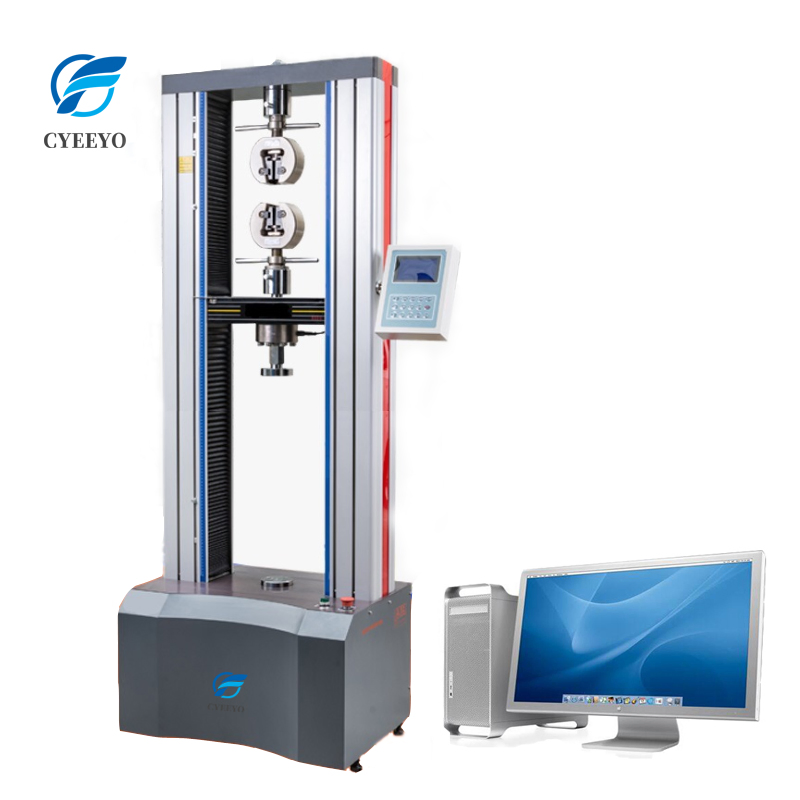
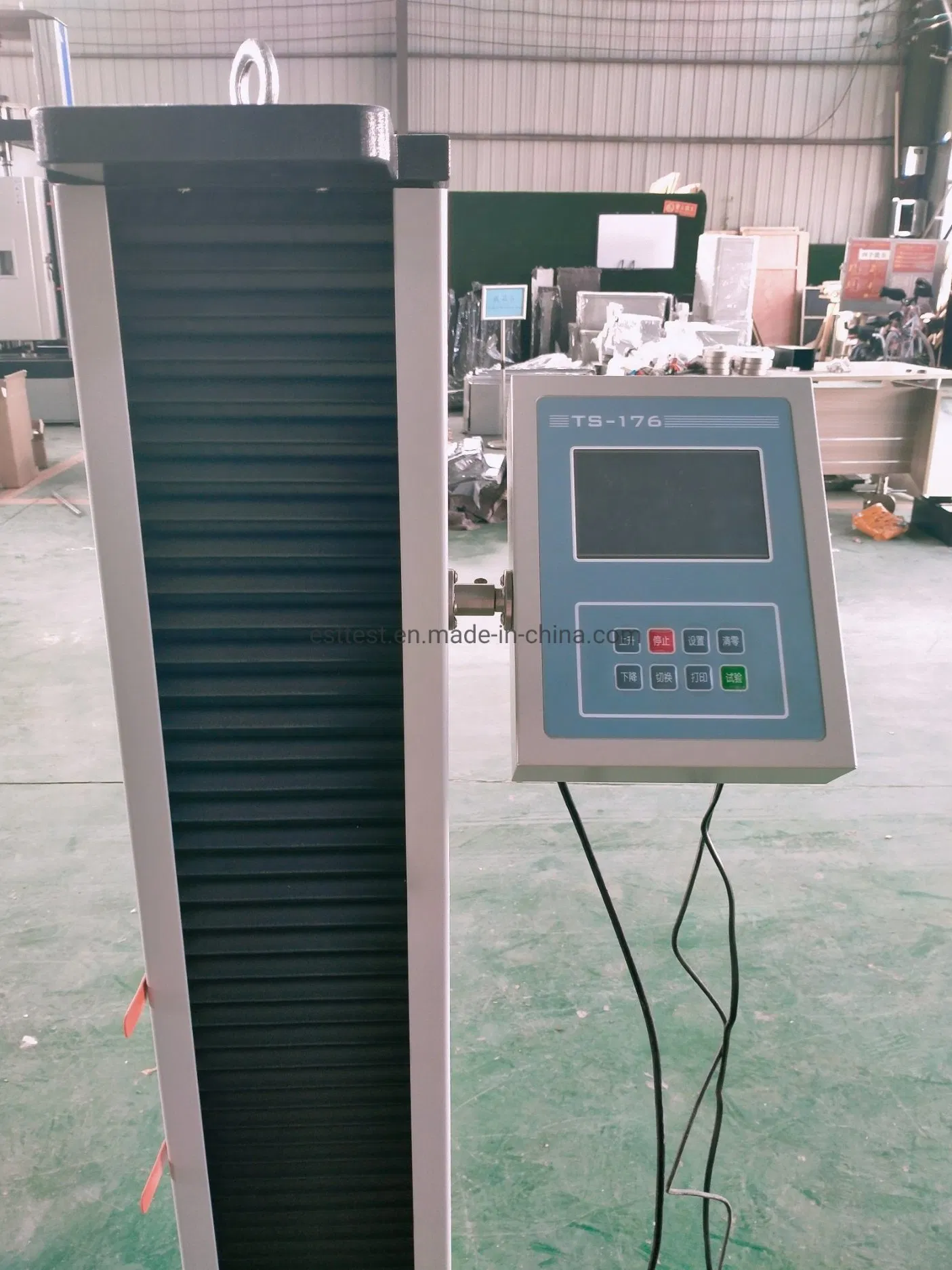
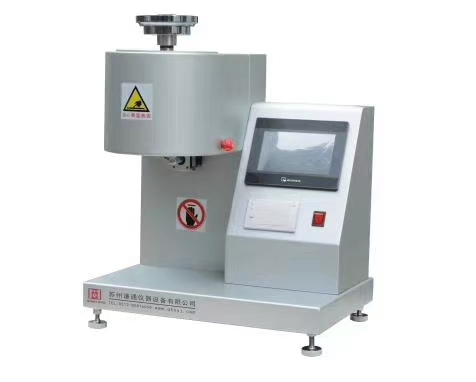
A Test Machine, in the realm of industrial and scientific instrumentation, is a sophisticated device designed to evaluate the physical, mechanical, or electrical properties of materials, components, and finished products. At its core, it applies controlled forces, stresses, or environmental conditions to a specimen to measure its response, ensuring it meets required specifications, safety standards, and performance criteria. From tensile testing of metal alloys to fatigue analysis of consumer electronics, test machines are indispensable for quality assurance, research and development, and failure analysis across countless industries. The precision data they provide is fundamental to innovation and consumer safety.
As a leader in precision measurement, instruments-meters.net provides a comprehensive range of high-performance test machines engineered for accuracy, durability, and user-centric operation. Our solutions are trusted by laboratories and production facilities worldwide to deliver reliable, repeatable results.
Core Technical Parameters of a Modern Test Machine
Understanding the key specifications is crucial for selecting the right equipment for your application. Below are the fundamental parameters that define a test machine's capability.
Primary Performance Specifications
- Force Capacity: The maximum force the machine can apply, typically measured in kilonewtons (kN), newtons (N), or pounds-force (lbf). Machines range from low-capacity models for delicate materials to high-capacity frames for construction materials.
- Load Frame Stiffness: A critical factor for accurate testing. A stiffer frame minimizes deflection under load, ensuring that the applied force is precisely transferred to the specimen.
- Speed Range: The spectrum of crosshead or actuator movement speeds, from very slow for creep tests to high speeds for impact simulations. It is usually specified in mm/min or in/min.
- Accuracy: Generally defined per international standards (e.g., ASTM E4, ISO 7500-1). It encompasses load measurement accuracy (often ±0.5% or better of the indicated load) and displacement/position accuracy.
- Control Modes: Advanced machines offer multiple closed-loop control modes including Force (Load) Control, Displacement (Position) Control, and Strain Control, allowing for complex test protocols.
Detailed Specification Table
| Parameter Category | Typical Specification | Description & Importance |
|---|---|---|
| Force Capacity | 5 kN, 10 kN, 50 kN, 100 kN, 300 kN, etc. | Determines the type and size of specimens that can be tested. Selecting a capacity with appropriate overhead ensures longevity and accuracy. |
| Load Measurement Accuracy | ±0.5% of reading down to 1/100 of machine capacity | Defines the precision of force data. Higher accuracy is essential for R&D and certification testing. |
| Crosshead Travel | 1000 mm, 1200 mm, or more | The maximum vertical space for specimens and fixtures. Adequate travel is needed for elongation tests and accommodating various fixtures. |
| Testing Speed Range | 0.001 to 1000 mm/min | A wide range allows for versatile testing, from quasi-static to high-rate deformation studies. |
| Data Sampling Rate | Up to 2 kHz or higher | The frequency at which load and position data are captured. Higher rates are necessary to capture peak forces and transient events accurately. |
| Power Requirements | Single-phase or Three-phase, 110V/220V/400V | Must match the available facility power. Higher-capacity machines typically require three-phase power. |
| Software Compliance | 21 CFR Part 11, ASTM, ISO, EN | Software features for regulated industries, ensuring data integrity, audit trails, and standard-compliant calculations. |
All test machines from instruments-meters.net are calibrated traceable to national standards and are designed to meet or exceed these critical parameters, providing you with undeniable data integrity.
Test Machine FAQ: Your Questions Answered
Q: What is the difference between a Universal Testing Machine (UTM) and a specialized test machine?
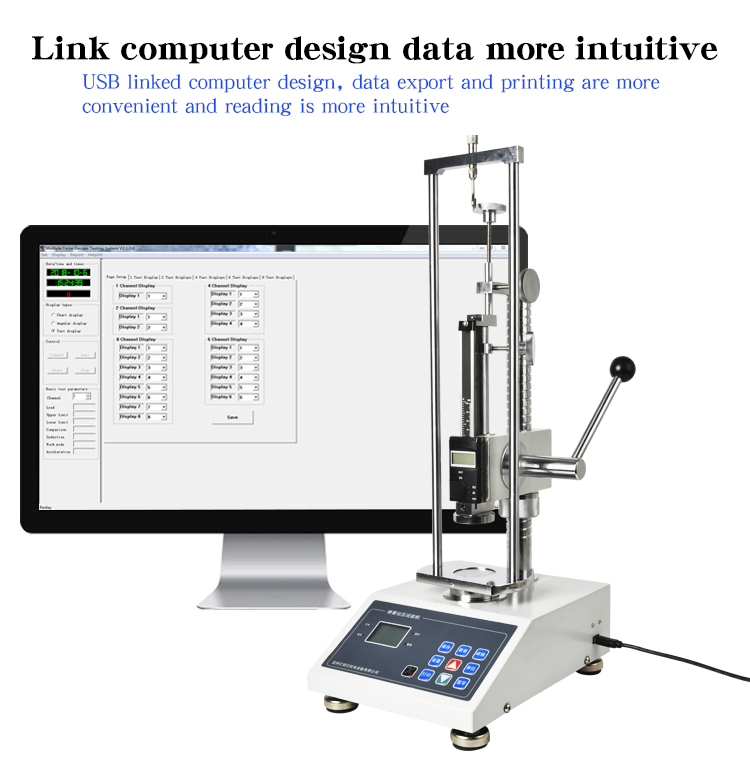
A: A Universal Testing Machine (UTM) is a versatile test machine configured to perform multiple types of mechanical tests (tension, compression, bending, shear) on a wide variety of materials by using different grips and fixtures. A specialized test machine is designed for a specific, often high-volume, application (e.g., spring testing, peel testing, wire torsion). While a UTM offers flexibility, a dedicated machine often provides higher throughput and optimized tooling for its singular purpose. instruments-meters.net offers both comprehensive UTMs and application-specific systems.
Q: How often should my test machine be calibrated, and why is it necessary?
A: Calibration is essential to maintain measurement traceability and accuracy. The frequency depends on usage intensity, required accuracy, and quality system requirements (e.g., ISO 17025). A general industry recommendation is annual calibration. For machines in heavy use or in critical compliance environments, semi-annual calibration may be warranted. Regular calibration ensures your results are reliable, defends against product liability claims, and is a requirement for most certified quality management systems.
Q: Can I upgrade the force capacity or software of my existing test machine?
A: This depends heavily on the original machine's design. Many electromechanical test machines have a fixed load frame capacity that cannot be altered. However, upgrades are often possible for load cells (within the frame's capacity), control electronics, and software. Modern digital controllers and PC-based software from instruments-meters.net can frequently be retrofitted to older machines, significantly enhancing their functionality, user interface, and data reporting capabilities without the cost of a complete replacement.
Q: What are the key considerations when choosing between an electromechanical and a hydraulic test machine?
A: The choice hinges on force requirements and speed. Electromechanical machines use a motor and screw drive. They are cleaner (no hydraulic oil), quieter, more energy-efficient, and excel at providing precise control at low forces and speeds. They are ideal for most materials testing up to about 600 kN. Hydraulic machines use a hydraulic actuator. They can generate much higher forces (up to several meganewtons) in a relatively compact frame and can achieve higher loading rates. They are preferred for testing concrete, large metal components, and for high-cycle fatigue testing. instruments-meters.net experts can guide you through this fundamental selection.
Q: What does "closed-loop control" mean, and why is it important?
A: Closed-loop control is a system where the machine's controller constantly compares the actual measured signal (e.g., load from the load cell) with the desired setpoint (the target load). It then automatically adjusts the drive system (motor or valve) to minimize the difference (error). This is crucial for maintaining a constant loading rate during a test, even as the specimen's properties change (like during yielding). It enables stable and accurate tests in load control, displacement control, and the most demanding strain control modes.
Q: How do I ensure I select the right grips and fixtures for my application?
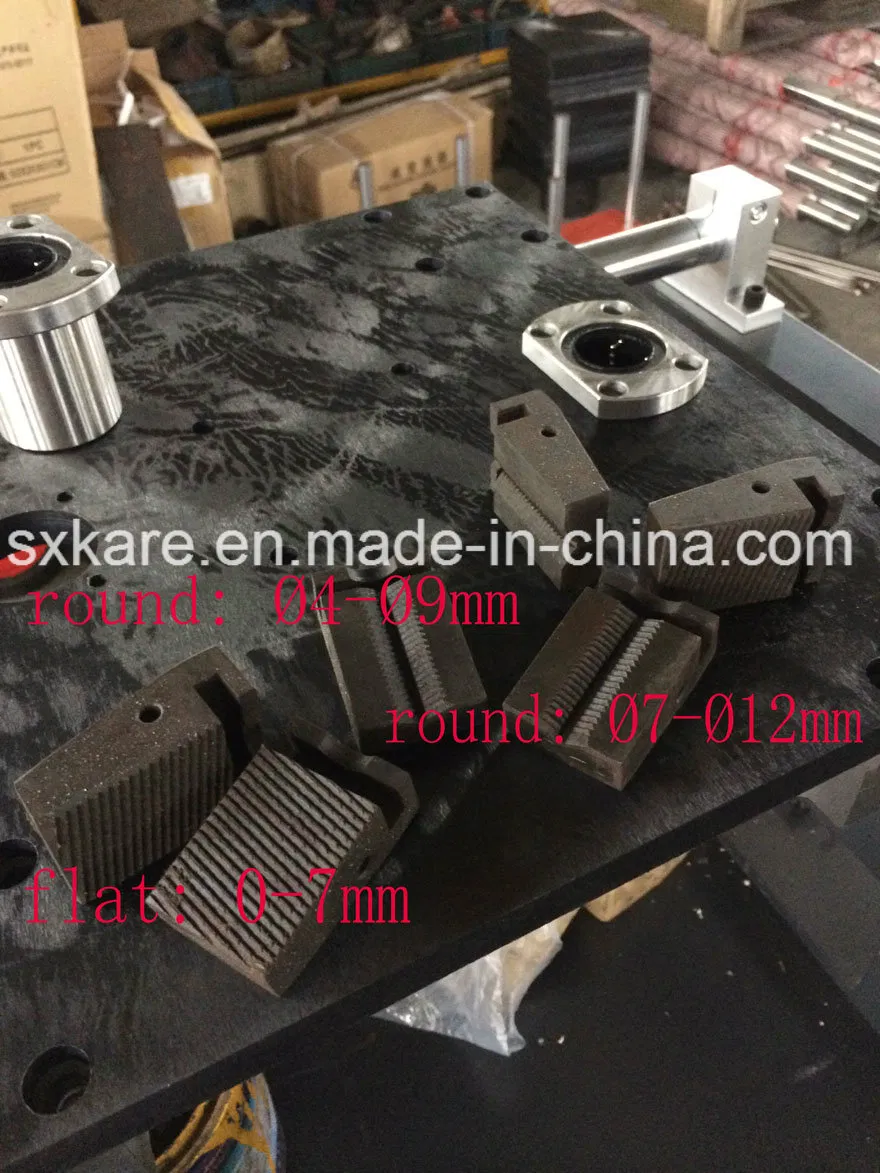
A: Grips and fixtures are the interface between the test machine and your specimen. Incorrect selection is a leading cause of poor data and specimen slippage. Key factors include: Specimen Type (flat, round, film, composite), Expected Maximum Force (grip rating must exceed this), Alignment (self-aligning grips prevent bending moments), and Material (serrated jaws for metals, rubber-faced for plastics, etc.). instruments-meters.net provides extensive application support and a vast catalog of standard and custom fixtures to guarantee your specimen is held correctly and safely.
- View as