Energy Meter & Power Meter
Understanding Energy Meter & Power Meter: A Comprehensive Guide
In today's data-driven world, precise measurement of electrical energy and power is not just a technical necessity but a cornerstone of efficiency, cost management, and sustainable operations. For facility managers, electrical engineers, and energy auditors, selecting the right measurement device is paramount. This is where the distinction and synergy between Energy Meters and Power Meters become critical. While the terms are often used interchangeably in casual conversation, they serve distinct yet complementary purposes in professional settings.
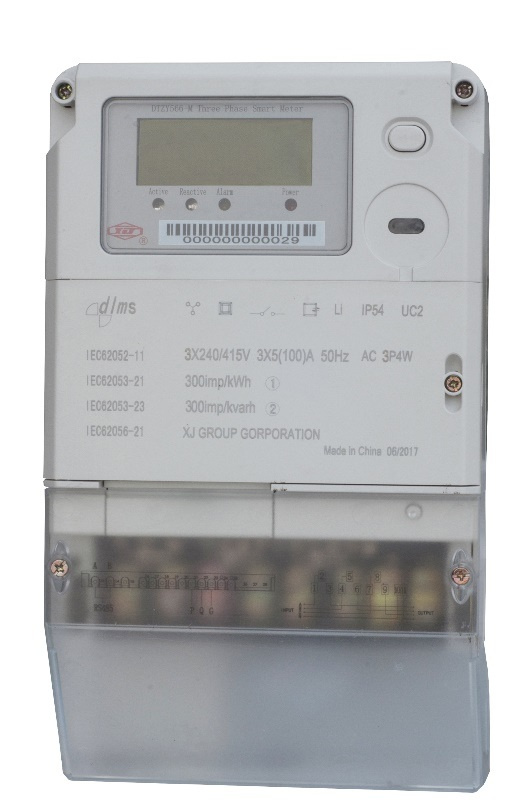
At its core, an Energy Meter (commonly known as a watt-hour meter) is an instrument that measures the total amount of electrical energy consumed over a period. It integrates power consumption with respect to time, providing a cumulative reading in kilowatt-hours (kWh) or megawatt-hours (MWh). This is the device your utility company uses for billing, and it's essential for understanding overall energy usage patterns.
A Power Meter, on the other hand, is designed to measure the instantaneous values or short-term parameters of electrical power. It provides real-time data on voltage (V), current (A), active power (kW), reactive power (kVAR), apparent power (kVA), power factor, frequency (Hz), and harmonic distortion. Power meters are diagnostic tools used for load studies, power quality analysis, system troubleshooting, and optimizing the instantaneous operation of electrical equipment.
For comprehensive energy management, both types of meters are often integrated into advanced metering systems. A modern digital power meter frequently includes sophisticated energy logging capabilities, blurring the line while offering a complete solution. At instruments-meters.net, we specialize in providing high-precision, reliable, and feature-rich metering solutions that cater to both needs, empowering professionals to make informed decisions.
Key Product Parameters and Selection Criteria
Choosing the correct meter requires a detailed understanding of technical specifications. Below is a breakdown of the essential parameters to consider.
Core Electrical Parameters
- Voltage Input: The nominal system voltage the meter is designed to measure (e.g., 120V, 240V, 480V, 69kV). It must have an appropriate connection method (direct connection or via Potential Transformers - PTs).
- Current Input: The nominal current rating (e.g., 5A, 1A). Meters typically connect via Current Transformers (CTs) to scale down high primary currents to a standardized, safe secondary value for measurement.
- Power Supply: The operating voltage for the meter's internal electronics, often a wide range like 85-265V AC or 24-48V DC, ensuring compatibility with various auxiliary power sources.
Measurement Capabilities and Accuracy
- Measured Variables: A comprehensive meter should measure:
- Voltage (V) - Line-to-line and line-to-neutral.
- Current (A) - Per phase and neutral.
- Active, Reactive, and Apparent Power (kW, kVAR, kVA).
- Power Factor (PF).
- Frequency (Hz).
- Energy (kWh, kVARh) - Import/Export, four-quadrant measurement.
- Accuracy Class: Defined by standards like IEC 62053 or ANSI C12.20. Common classes for active energy are 0.2S, 0.5S, and 1.0, where a lower number indicates higher precision. Class 0.2S is typical for high-end revenue-grade metering.
Communication and Data Logging
- Communication Protocols: Essential for integration into SCADA, BMS, or IoT systems. Standard protocols include:
- Modbus RTU/TCP
- BACnet MS/TP or IP
- Profibus DP
- IEC 61850 (for substation automation)
- DLMS/COSEM (for smart metering)
- Data Logging: Internal memory for storing historical data (e.g., load profiles, event logs, max/min values) is crucial for trend analysis and post-event diagnostics.
Product Comparison Table
The following table illustrates the typical specifications for two tiers of advanced digital meters available at instruments-meters.net, designed for different application complexities.
| Feature / Parameter | Model: IM-Net Pro 420 | Model: IM-Net Elite 880 |
|---|---|---|
| Application Focus | Sub-metering, Tenant Billing, Basic Power Monitoring | Revenue-Grade Metering, Advanced Power Quality Analysis, Utility Interconnection |
| Accuracy Class (Active Energy) | Class 0.5S | Class 0.2S |
| Voltage & Current Inputs | 3-Phase, 4-Wire (3P4W). Up to 600V L-N direct. CT secondary: 5A/1A. | 3-Phase, 4-Wire (3P4W). Up to 690V L-L direct. CT/PT programmable secondary inputs. |
| Key Measurements | V, A, kW, kVA, kVAR, PF, Freq, kWh (Import/Export) | All Pro 420 features, plus THD-V, THD-I, K-factor, Unbalance, Demand (kW, kVA), Min/Max Logging |
| Communication Ports | 1x RS-485 (Modbus RTU), Ethernet Optional | 2x RS-485, 1x Ethernet (Modbus TCP, IEC 61850), 1x USB for local configuration |
| Data Logging | Basic interval logging (kWh, kW) | Advanced logging with 1+ years of historical data for all parameters, event waveform capture |
| Display | Backlit LCD, Scrolling display | Color Graphical LCD with customizable screens and real-time waveform display |
| Typical Use Case | Monitoring a specific floor or department within a commercial building. | Main utility intake of a large industrial plant, renewable energy generation site, or data center. |
Energy Meter & Power Meter FAQ
Q: What is the fundamental difference between an Energy Meter and a Power Meter?
A: An Energy Meter measures the *total quantity* of electrical energy consumed or produced over time, expressed in kilowatt-hours (kWh). It is an integrating device. A Power Meter measures the *instantaneous rate* of energy flow (power) and other real-time electrical parameters like voltage, current, and power factor, expressed in kilowatts (kW). Think of it like a car's odometer (energy meter) versus its speedometer (power meter).
Q: Can one device function as both an energy meter and a power meter?
A: Yes, absolutely. Most modern digital meters, like those from instruments-meters.net, are multifunctional. They perform real-time power measurements (acting as a power meter) while simultaneously integrating this data to calculate and log total energy consumption (acting as an energy meter). The distinction is now more about the primary features and accuracy class required for the application.
Q: What does "Class 0.2S" or "Class 1.0" accuracy mean on a meter?
A: This classification, per international standards (IEC 62053), defines the maximum permissible percentage error of the meter under specified operating conditions. A Class 0.2S meter has a maximum error of ±0.2% within a wide current range (from 1% to 200% of rated current), making it suitable for high-stakes revenue metering. A Class 1.0 meter has a ±1.0% error band and is common for general-purpose sub-metering. The "S" denotes extended accuracy at low currents.
Q: Why is communication protocol support (like Modbus) important in a meter?
A: Communication protocols enable the meter to become a node in a larger network. Instead of manually reading a display, data can be automatically collected, centralized, and analyzed by energy management software (EMS), building management systems (BMS), or SCADA systems. This allows for real-time monitoring, automated reporting, alarm notifications, and data-driven energy conservation measures.
Q: What is the significance of "four-quadrant" energy measurement?
A: Four-quadrant measurement refers to a meter's ability to measure both imported/consumed energy and exported/generated energy, as well as the associated reactive power in both directions. This is critical for sites with solar PV, wind turbines, or any form of on-site generation that can feed power back into the grid. It ensures accurate billing and provides a complete picture of energy flows.
Q: How do I choose between direct connection and using CTs/PTs?
A: Direct connection is suitable for lower voltage and current systems (typically under 480V and 100A). For higher voltage or current systems, Instrument Transformers (Current Transformers - CTs and Potential Transformers - PTs) are used for safety and practicality. They scale down the high primary values to standardized, low-level secondary values (e.g., 5A, 120V) that the meter can safely and accurately measure. The selection depends entirely on your electrical system's specifications.
Q: Can these meters help identify power quality issues?
A: Advanced power meters are excellent diagnostic tools for power quality. Parameters like Total Harmonic Distortion (THD), voltage/current unbalance, frequency deviation, and rapid voltage changes (sags/swells) are measured and logged. By analyzing this data, engineers can identify the source of problems such as overheating transformers, malfunctioning drives, or nuisance breaker trips, enabling proactive maintenance.
Q: What should I look for in terms of data storage and logging?
A: Consider the parameters you need to log (energy, demand, power quality), the logging interval (e.g., 15-minute, 1-hour), and the required storage duration. A robust meter should have non-volatile memory capable of storing months or years of interval data. Features like "wrap-around" logging (overwriting oldest data when full) and event-triggered logging (capturing data during a fault) are highly valuable for long-term analysis and troubleshooting.
- View as