Electronic Scale
Introducing the Precision Electronic Scale from instruments-meters.net
In today's fast-paced world, accuracy and efficiency are paramount, whether in a professional laboratory, a busy commercial kitchen, or a dedicated home workshop. The modern Electronic Scale has evolved from a simple weighing tool into a sophisticated instrument integral to precision tasks. At instruments-meters.net, we have leveraged decades of engineering expertise to develop a range of electronic scales that combine robust construction, advanced technology, and user-centric design. Our commitment is to provide tools that deliver unwavering reliability and exact measurements, forming the trusted foundation for your critical operations.
Unmatched Product Specifications
Our flagship model, the PrecisionPro 5000, is engineered for applications where there is no margin for error. Below are the detailed technical specifications that set it apart.
Core Technical Parameters
- Model: PrecisionPro 5000
- Weighing Capacity: 5000g
- Readability (Precision): 0.01g
- Calibration: Internal & External (with included 500g weight)
- Platform Size: 150mm x 150mm (Stainless Steel)
- Units of Measurement: g, oz, lb, oz, dwt, ct, gn
- Power Supply: AC Adapter (included) & 4x AA Batteries (backup)
- Auto-Off Timer: Adjustable (60, 120, 180 seconds, or off)
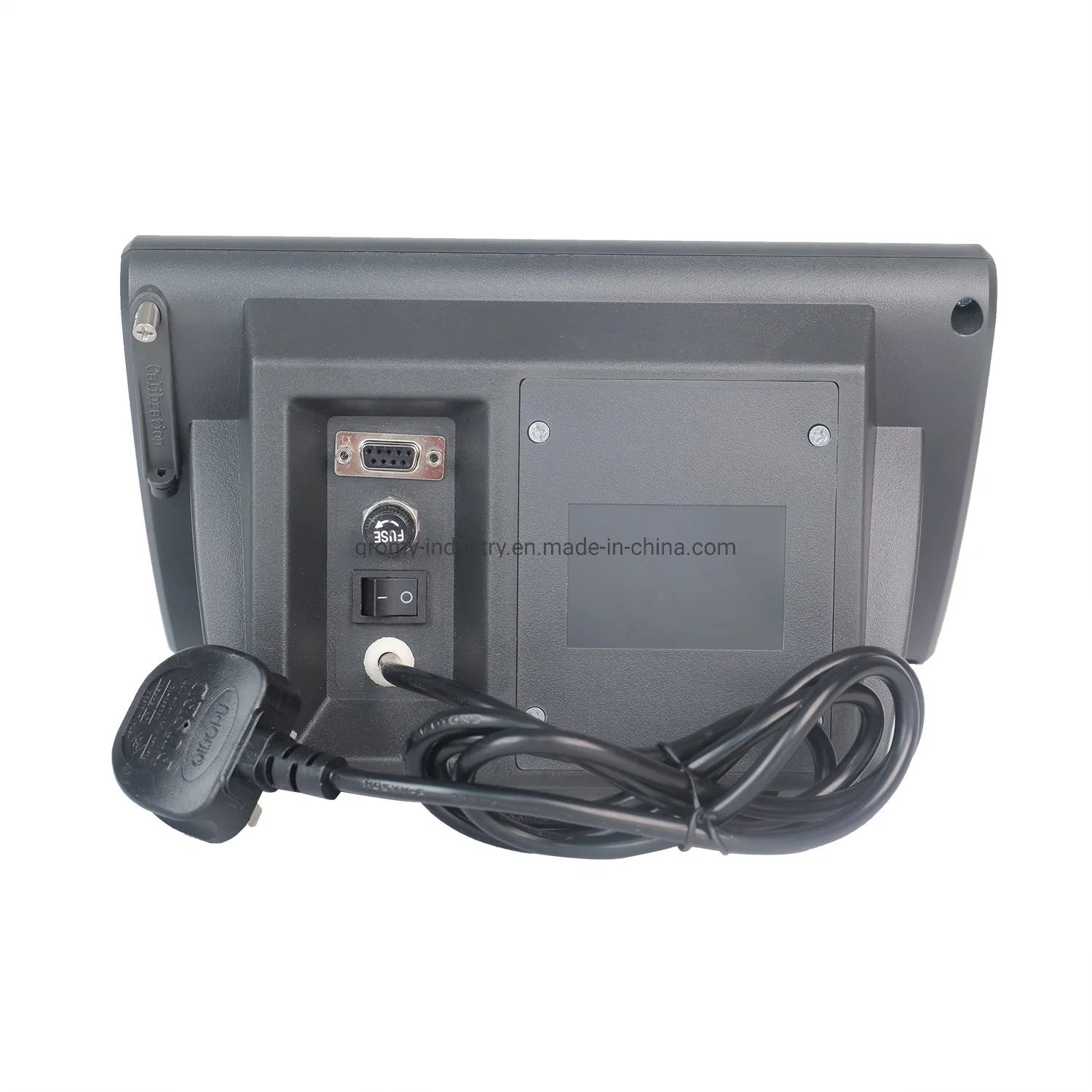
- Interface: RS-232 for data transfer to PC/Printer
- Operating Temperature: 10°C to 40°C (50°F to 104°F)
- Compliance: CE, RoHS, NTEP Certified (for trade use)
Comparison Table: PrecisionPro Series
| Feature / Model | PrecisionPro 1000 | PrecisionPro 3000 | PrecisionPro 5000 (Flagship) |
|---|---|---|---|
| Capacity | 1000g | 3000g | 5000g |
| Readability | 0.1g | 0.05g | 0.01g |
| Platform Material | Stainless Steel | Stainless Steel | Reinforced Stainless Steel |
| Calibration | Internal (Auto) | Internal (Auto) | Internal & External |
| Data Interface | - | USB | RS-232 & USB |
| Ideal For | Home Kitchen, Jewelry | Small Business, Labs | Professional Labs, Commerce |
Advanced Features for Demanding Environments
The instruments-meters.net PrecisionPro 5000 is packed with features designed to enhance workflow and ensure consistent results. The high-contrast LCD display offers exceptional readability even in low-light conditions. The built-in overload protection safeguards the sensitive load cell from accidental damage. For dynamic weighing, the Animal Weighing Mode and Parts Counting Function provide incredible utility beyond simple mass measurement. The stability indicator and draft shield compatibility (sold separately) make it a versatile choice for research and quality control environments where environmental factors must be mitigated.
Electronic Scale FAQ
Q: How often should I calibrate my electronic scale from instruments-meters.net?
A: Calibration frequency depends on usage. For critical commercial or laboratory use where accuracy is legally mandated (e.g., NTEP scales), we recommend monthly calibration using certified weights. For routine, non-critical use, calibrating every 3-6 months is sufficient. Always calibrate after moving the scale, following a significant temperature change, or if you suspect readings are inconsistent. The PrecisionPro 5000 includes an external calibration feature for user-friendly, traceable adjustments.
Q: My scale shows an unstable reading or keeps drifting. What could be the cause?
A: Reading instability is often environmental. First, ensure the scale is on a perfectly flat, stable, and vibration-free surface—never on carpet. Check for air drafts from vents, fans, or open windows, as they can affect the sensor. Ensure the weighing platform is clean and dry. Electrical interference from nearby motors, phones, or microwaves can also cause drift. If problems persist after addressing these factors, it may indicate a low battery or the need for recalibration.
Q: Can I use the instruments-meters.net scale to weigh both liquids and solids?
A: Yes, absolutely. Our scales with stainless steel platforms are corrosion-resistant and easy to clean, making them suitable for both. For liquids, always use a container. Utilize the Tare Function: place your empty container on the platform, press 'Tare' to reset the display to zero, then add your liquid. This gives you the net weight of the liquid alone. Avoid spills directly on the scale electronics.
Q: What is the difference between readability (d) and reproducibility?
A: This is a key distinction in scale specifications. Readability (often denoted by 'd') is the smallest difference in weight that the scale's display can show—for example, 0.01g. It's the scale's finest resolution. Reproducibility (or repeatability) refers to the scale's ability to display the same result when the same weight is placed on it repeatedly under identical conditions. A high-quality scale from instruments-meters.net offers both excellent readability and strong reproducibility, ensuring precise and consistent measurements every time.
Q: Is the RS-232 interface on the PrecisionPro 5000 still relevant with modern computers?
A: While modern laptops often lack native RS-232 ports, this interface remains a robust, industry-standard protocol for scientific and industrial equipment. It provides a stable, direct connection for data logging. We include a high-quality RS-232 to USB converter cable with the PrecisionPro 5000, ensuring seamless compatibility with current Windows, macOS, and Linux systems for transferring weight data to spreadsheet or laboratory information management software.
Q: How do I maintain and clean my electronic scale to ensure its longevity?
A: Proper care extends your scale's life significantly. Always power off and disconnect before cleaning. Use a soft, slightly damp cloth with a mild detergent to wipe the stainless steel platform and housing. Never use abrasive cleaners, scouring pads, or spray cleaners directly onto the scale, as liquid can seep in and damage the electronics. For stubborn residues, dampen the cloth, not the scale. Store the scale in a clean, dry place away from extreme temperatures and humidity when not in use.
- View as