
Sealing Integrity: Why High-Performance Gaskets are Vital for Chemical Process Safety
2026-03-25
Why Does Sealing Integrity Directly Impact Chemical Process Safety?
In chemical processing environments, sealing integrity is not just a technical requirement but a core safety factor. Facilities handling aggressive media such as acids, solvents, and high-temperature fluids rely on stable sealing systems to prevent leaks, emissions, and unplanned shutdowns. When a Gasket fails under pressure or chemical exposure, the consequences can include environmental contamination, safety hazards, and costly downtime.
In many industrial regions, operators refer to sealing failure as a “loss of containment,” a term widely used in process safety management. This reflects the seriousness of even minor leakage incidents. Our experience shows that maintaining proper sealing performance requires more than selecting a material. It involves a complete understanding of flange condition, bolt load distribution, and media compatibility.
At Ningbo Kaxite Sealing Materials Co., Ltd., we have worked with clients across chemical plants, refineries, and processing facilities. Our factory has consistently found that premature failures are often linked to improper installation or material mismatch rather than product defects. By addressing these factors, operators can significantly reduce risk and maintain stable production conditions.
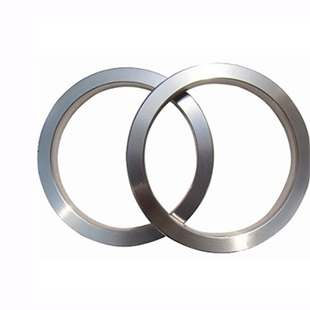
How Do High-Performance Materials Improve Gasket Reliability in Corrosive Environments?
In environments involving corrosive media, standard sealing materials often degrade quickly due to chemical attack and thermal stress. High-performance solutions such as expanded PTFE and graphite-reinforced composites are engineered to withstand these conditions while maintaining structural integrity.
Expanded PTFE offers excellent chemical resistance across a wide pH range, making it suitable for aggressive acids and alkalis. Graphite-based materials provide superior temperature resistance and maintain flexibility under fluctuating thermal conditions. Our factory utilizes advanced processing techniques to ensure consistent density and uniform sealing surfaces, which directly improve reliability.
The selection of the right Gasket material must consider not only chemical compatibility but also creep relaxation properties. Materials that resist deformation over time help maintain bolt load and prevent leakage. This is particularly important in continuous operation systems where maintenance intervals are extended.
| Material Type | Temperature Range | Chemical Resistance | Typical Applications |
| Expanded PTFE | -200°C to 260°C | Excellent | Acid processing, pharmaceuticals |
| Graphite Composite | -200°C to 500°C | Very good | High-temperature pipelines |
| Aramid Fiber | -100°C to 300°C | Good | General industrial use |
| Rubber Bonded | -40°C to 150°C | Moderate | Water and low-pressure systems |
Ningbo Kaxite Sealing Materials Co., Ltd. continues to refine material formulations to meet evolving industrial demands. Our production process ensures stable performance even under extreme operating conditions.
What Installation Factors Determine Long-Term Gasket Sealing Performance?
Even the most advanced Gasket will fail if installation practices are not properly controlled. In field applications, achieving correct bolt load is one of the most critical factors. Uneven tightening can create localized stress points, leading to leakage paths over time.
Surface finish of the flange also plays a key role. Rough or damaged surfaces can prevent proper sealing contact, while overly smooth finishes may reduce friction and compromise stability. Our factory recommends maintaining a controlled surface roughness range to ensure optimal sealing performance.
Another essential factor is alignment. Misaligned flanges introduce additional mechanical stress, which can cause deformation and reduce service life. Our experience shows that consistent installation procedures, combined with trained technicians, significantly improve reliability and reduce maintenance frequency.
By applying proper torque values and following standardized tightening sequences, operators can maintain sealing integrity over extended operational cycles. These practices are widely adopted in industries with strict safety regulations.
How Do Product Specifications Influence Gasket Performance in Chemical Systems?
Performance in demanding applications depends heavily on precise product specifications. Key parameters such as density, compressibility, recovery, and tensile strength determine how well a Gasket performs under load and exposure to aggressive media.
Our factory designs products with controlled mechanical properties to ensure consistent sealing under varying pressure conditions. These characteristics are particularly important in systems where pressure cycling is frequent.
| Parameter | Typical Value | Performance Impact |
| Density | 1.4–2.2 g/cm³ | Ensures structural stability |
| Compressibility | 7–15% | Improves sealing adaptability |
| Recovery | 40–60% | Maintains seal after compression |
| Tensile Strength | 10–20 MPa | Prevents material failure |
| Creep Relaxation | Low | Maintains long-term bolt load |
At Ningbo Kaxite Sealing Materials Co., Ltd., our engineering team focuses on balancing these properties to match real-world operating conditions. This approach allows our products to deliver reliable performance across a wide range of industrial applications.
Why Is Preventive Maintenance Essential for Sustaining Sealing Integrity?
Preventive maintenance is a key strategy for ensuring long-term sealing performance. Regular inspection of sealing components helps identify early signs of wear, deformation, or chemical degradation. In many facilities, maintenance teams use routine checks to detect leakage before it becomes a safety concern.
Our factory recommends integrating sealing inspection into standard maintenance schedules. This includes monitoring bolt tension, checking flange alignment, and evaluating material condition. In high-risk environments, predictive maintenance techniques are increasingly used to track performance trends and prevent unexpected failures.
Another important aspect is proper storage and handling of sealing materials. Exposure to moisture, dust, or extreme temperatures before installation can affect performance. By maintaining controlled storage conditions, operators can ensure consistent product quality.
Through a combination of high-quality materials and proactive maintenance, our clients achieve improved operational stability and reduced downtime. This approach aligns with global safety standards and supports sustainable industrial operations.
FAQ
Why are high-performance gaskets necessary in chemical processing environments?
High-performance sealing materials are designed to withstand aggressive chemicals, high temperatures, and pressure variations. They maintain sealing integrity under conditions where standard materials would fail, reducing the risk of leaks and ensuring safe operation.
What factors most commonly cause gasket failure in industrial systems?
Common causes include improper material selection, incorrect installation, uneven bolt load, and flange surface issues. Chemical degradation and thermal cycling can also contribute to premature failure if materials are not properly matched to the application.
How can sealing performance be improved without frequent replacement?
Improving sealing performance involves selecting the right material, ensuring proper installation, and implementing regular maintenance practices. Monitoring operating conditions and maintaining correct bolt load can significantly extend service life.
Conclusion
Maintaining sealing integrity in chemical processing systems requires a comprehensive approach that combines advanced materials, precise specifications, and proper installation practices. High-performance solutions provide the durability and resistance needed to handle aggressive environments while minimizing the risk of leakage and downtime.
Our factory is committed to delivering reliable sealing solutions tailored to demanding industrial applications. For more information or to discuss your specific requirements, contact our team today to explore customized options and improve your process safety.