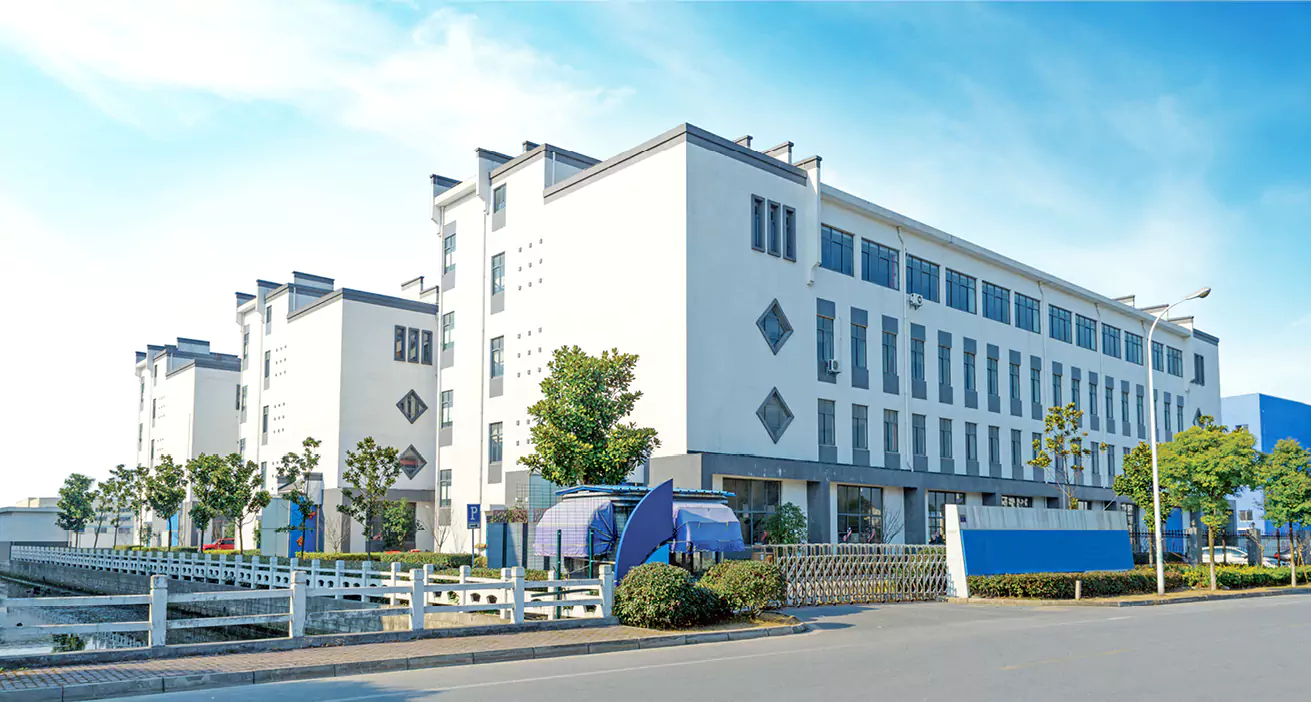
Wire Rolling Mills: Discover a Supplier of Highly Specialized Equipment
2026-03-14
In the world of industrial manufacturing, precision and specialization are key to success. Welcome to our exploration of wire rolling mills, where cutting-edge technology meets expert craftsmanship. In this post, we delve into how GRM stands out as a premier supplier of highly specialized equipment for wire production. From innovative solutions to tailored support, we'll uncover what makes GRM a leader in this niche field. Whether you're an industry veteran or new to the game, join us as we unravel the secrets behind efficient and reliable wire rolling mills. Hold tight—this journey promises insights that could transform your operations and drive your business forward.
Types of Wire Rolling Mills and Their Unique Applications
Wire rolling mills transform metal billets into refined wire products by passing them through a series of rollers. Among the common types, two-high mills are often the go-to choice for initial rolling stages, where their robust design efficiently reduces the cross-section of materials like steel or copper. These mills excel in high-volume production lines, such as those for construction rebar or basic industrial wires, thanks to their simplicity and low maintenance needs. Their unique application lies in their ability to handle rough reductions before finer processing, making them indispensable in large-scale manufacturing where speed and durability are prioritized over precision.
Moving to more specialized setups, cluster mills stand out for their complex roller arrangements, typically involving multiple smaller backup rollers around a central work roller. This configuration is particularly effective for producing ultra-fine wires with high surface quality, such as those used in electronics or medical devices. For example, in the aerospace industry, cluster mills are employed to roll titanium or nickel-based alloys into thin wires for sensors and connectors, where dimensional accuracy and minimal surface defects are critical. Their unique application hinges on providing superior control over the rolling process, reducing stress and improving the material's mechanical properties in demanding sectors.
Another notable variant is the continuous wire rolling mill, which integrates multiple stands in a single line to allow for uninterrupted processing from billet to finished wire. This type is especially advantageous in applications requiring high efficiency and consistency, like automotive components or fencing materials. In practice, continuous mills are used to produce galvanized steel wires for corrosion resistance in outdoor settings, leveraging their ability to maintain uniform properties throughout long production runs. Their unique application stems from minimizing downtime and energy consumption, making them a top choice for industries that demand both quality and cost-effectiveness in wire manufacturing.
Innovations in Wire Rolling Technology and Equipment Design
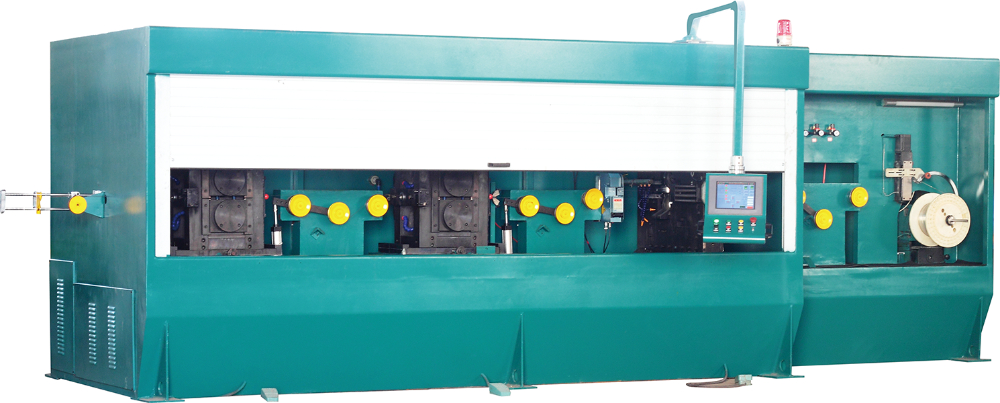
In the world of wire manufacturing, recent breakthroughs in rolling technology have completely transformed production lines. Engineers have developed multi-stage rolling systems that allow for precise control over wire diameter and surface quality, reducing material waste by up to 15% compared to traditional methods. These advancements rely on sophisticated computer simulations that model metal flow under high pressure, enabling manufacturers to predict and eliminate defects before they occur on the shop floor.
Equipment design has kept pace with these technological leaps, introducing modular rolling mills that can be quickly reconfigured for different wire grades. A standout innovation is the integration of real-time sensors directly into the rolling stands, which monitor temperature and stress during operation. This data feeds into adaptive control algorithms that adjust roll speeds and pressures on the fly, ensuring consistent output even with variations in raw material properties.
Looking ahead, the fusion of additive manufacturing with rolling equipment is opening new frontiers. Custom-built roll geometries, once impossible to machine conventionally, are now being 3D-printed from advanced alloys, extending tool life and enhancing wire surface finishes. These designs often feature internal cooling channels that maintain optimal temperatures during high-speed rolling, a subtle yet impactful detail that boosts both efficiency and product quality.
Customized Solutions for Diverse Industrial Wire Production Needs
In today's fast-paced manufacturing landscape, a one-size-fits-all approach to wire production often falls short of meeting specific requirements, leading to inefficiencies and compromised quality. Our tailored solutions bridge this gap by delving deep into the unique challenges each industry faces, whether it's enhancing conductivity for electronics, improving durability for automotive applications, or ensuring safety in medical devices. By leveraging advanced materials and precision engineering, we craft wires that not only meet but exceed expectations, ensuring optimal performance across varied operational demands.
What truly sets our approach apart is the collaborative process we foster with clients, from initial consultation through to delivery. Rather than offering off-the-shelf products, we engage in detailed discussions to understand the nuances of your project, such as environmental conditions, load capacities, and regulatory standards. This hands-on involvement allows us to design and produce wires with bespoke properties, such as enhanced corrosion resistance or specialized coatings, ensuring they integrate seamlessly into your systems and deliver long-term reliability.
As industries evolve, so do their wire production needs, and our commitment to innovation keeps us ahead of the curve. By staying attuned to emerging trends and technologies, we provide future-ready solutions, such as smart wires with embedded sensors or eco-friendly materials that reduce environmental impact. This adaptability not only addresses current challenges but also positions your business for growth, making our customized offerings a strategic asset in a competitive market.
Quality Control and Precision in Wire Rolling Mill Operations
In wire rolling mills, quality control isn't just a checkpoint; it's woven into every stage of production. It starts with meticulous inspection of raw materials, like steel billets, which must meet strict chemical and physical specifications to ensure the final product's integrity. Throughout the rolling process, advanced sensors and real-time monitoring systems track parameters such as temperature, speed, and thickness, allowing operators to make instant adjustments. This proactive approach prevents defects before they escalate, reducing waste and maintaining consistent output. For instance, variations in wire diameter, if left unchecked, could lead to failures in critical applications, from automotive components to construction materials. Thus, rigorous testing, including tensile strength and surface quality checks, becomes essential to verify that each coil meets industry standards and customer requirements.
Precision in wire rolling goes beyond mere measurements—it's about achieving uniformity and reliability under demanding conditions. Modern mills employ computer-controlled systems and automation to fine-tune the rolling process, ensuring minimal deviations in wire dimensions and mechanical properties. For example, precise control of roll gap settings and cooling rates can significantly impact wire hardness and ductility, tailoring it for specific uses. This level of accuracy is crucial when producing wires for sectors like aerospace or medical devices, where even minor imperfections can compromise safety. By integrating feedback loops and predictive maintenance, mills can optimize performance, enhancing both product quality and operational efficiency while adapting to diverse production needs.
What sets top-tier wire rolling apart is the synergy between human expertise and technological innovation. Skilled operators interpret data from quality control systems, spotting trends that machines might miss, such as subtle wear on rollers affecting surface finish. This collaboration enables continuous improvement, fostering a culture where precision is a shared goal. In practice, mills often implement customized quality protocols, like regular calibrations and peer reviews, to ensure every batch adheres to exacting standards. Ultimately, a focus on comprehensive quality control and unwavering precision not only boosts competitiveness but also builds trust with clients who rely on consistent, high-performance wire products for their critical applications.
Find a Supplier with Extensive Expertise and Global Reach
When you're on the hunt for a supplier, it's not just about finding someone who can deliver goods—it's about connecting with a partner who brings deep expertise to the table. Imagine working with a team that's not only well-versed in your industry's intricacies but has been navigating its challenges for years, offering insights that go beyond the basics. This kind of knowledge can transform your operations, helping you anticipate trends, streamline processes, and avoid common pitfalls, all while ensuring high-quality results that set you apart from competitors.
Moreover, global reach is a game-changer in today's interconnected market. A supplier with a broad international presence means you're tapping into a network that spans continents, allowing for flexible sourcing options, faster logistics, and access to emerging markets. Whether you're scaling your business or looking to diversify your supply chain, this expansive footprint ensures resilience and adaptability, enabling you to respond swiftly to changes in demand or disruptions, so you can keep moving forward without missing a beat.
Ultimately, combining extensive expertise with global reach creates a powerful synergy. It's about more than just procurement; it's building a relationship with a supplier that acts as an extension of your own team, equipped to handle complex projects and deliver on a worldwide scale. By prioritizing these qualities, you invest in a partnership that not only meets your immediate needs but also supports long-term growth and innovation, positioning your business for success in an ever-evolving landscape.
Cost-Effective and Sustainable Practices in Wire Manufacturing
Embracing innovative materials and processes has become a cornerstone for achieving cost-effectiveness and sustainability in wire manufacturing. Many companies are now investing in advanced recycling systems that reclaim scrap metal from production lines, significantly reducing raw material costs and minimizing waste sent to landfills. By incorporating precision engineering techniques, manufacturers can produce wires with enhanced durability and reduced material usage, leading to lower production expenses over time while supporting environmental goals through decreased resource consumption.
Energy-efficient technologies play a crucial role in modern wire manufacturing, helping to cut operational costs and reduce the industry's carbon footprint. The adoption of renewable energy sources, such as solar or wind power, for factory operations not only lowers electricity bills but also aligns with global sustainability initiatives. Additionally, optimizing manufacturing processes with smart automation and real-time monitoring systems allows for better resource allocation, minimizing energy waste and enhancing overall productivity, which in turn boosts financial returns and operational resilience.
Sustainable practices in wire manufacturing extend beyond the factory floor, encompassing the entire supply chain and product lifecycle. Companies are increasingly focusing on designing wires that are easier to recycle or reuse at the end of their life, promoting a circular economy that minimizes environmental impact. By partnering with suppliers who prioritize eco-friendly materials and ethical sourcing, manufacturers can ensure product quality while maintaining competitive pricing, ultimately creating a win-win scenario for both business profitability and ecological stewardship. This holistic approach not only meets regulatory standards but also appeals to a growing market of environmentally conscious consumers.
FAQ
In industrial settings, the most common types include tandem mills for continuous production and single-stand mills for specialized tasks. These systems are tailored to handle high carbon steel, aluminum, and copper wires efficiently.
Contemporary mills incorporate advanced drive systems and automated controls that reduce power consumption by up to 20%, while precision engineering minimizes material waste during operation.
Key factors include customization options, technical support, and adherence to international standards like ISO. Experienced suppliers often provide installation services and ongoing maintenance plans.
Yes, while primarily for metals such as steel and copper, some mills are adapted for processing high-strength polymers and composite materials used in aerospace and automotive industries.
Recent innovations include real-time monitoring with IoT sensors and AI-driven predictive maintenance, which enhance productivity and reduce downtime by detecting issues early.
Costs range from $500,000 to over $5 million, depending on factors like production capacity, automation level, and material handling features. Customized solutions may incur additional charges.
Conclusion
Wire rolling mills are specialized equipment essential for producing various types of wire, each with unique applications across industries. From high-strength cables for construction to fine wires for electronics, different mill types cater to specific needs, ensuring optimal performance and versatility. Innovations in technology and design, such as automated controls and advanced materials, enhance efficiency and precision, allowing for continuous improvement in wire quality and production rates. Customized solutions further address diverse industrial demands, adapting mills to handle specific alloys, diameters, or production volumes, thus supporting a wide range of manufacturing processes with tailored approaches.
Quality control is paramount in wire rolling operations, with stringent measures ensuring consistency, durability, and adherence to standards, which is vital for applications in aerospace, automotive, and other precision-driven fields. Finding a supplier with extensive expertise and a global reach ensures access to reliable equipment and support, facilitating seamless integration and maintenance worldwide. Cost-effective and sustainable practices, like energy-efficient designs and recycling initiatives, reduce environmental impact while lowering operational costs, promoting long-term viability in wire manufacturing. By focusing on these aspects, businesses can leverage advanced wire rolling mills to enhance productivity and innovation in their operations.
Contact Us
Contact Person: Rayna
Email: [email protected]
Tel/WhatsApp: 86 -173 1474 6343
Website: https://www.grmrollingmill.com/