
Top Solar Tracking Mounting Systems: Best Wholesale Solutions for Maximum Efficiency
2026-01-17
In the rapidly advancing solar energy landscape, optimizing power generation isn't just about high-quality panels—it's about how you position them to capture every ray of sunlight. Solar tracking systems have emerged as a game-changer, dynamically following the sun's path to boost efficiency beyond what fixed mounts can achieve. This blog explores the top wholesale solutions in solar tracking technology, highlighting innovations that maximize energy output and return on investment. At Energet Solar, we're committed to helping businesses and installers navigate these cutting-edge options with expert insights and reliable products. Join us as we delve into the key features, benefits, and practical considerations for choosing the best tracking systems to power a sustainable future.
Optimize Your Solar Array with Advanced Dual-Axis Tracking
When it comes to maximizing solar energy production, dual-axis tracking systems represent a significant leap beyond fixed or single-axis setups. Unlike traditional arrays that remain static or only tilt with the sun's daily path, dual-axis trackers adjust both horizontally (azimuth) and vertically (elevation) to follow the sun's precise movement throughout the day and across seasons. This continuous alignment ensures that panels always face the sun directly, capturing more photons and converting them into electricity. By doing so, you can boost output by up to 45% compared to stationary systems, making it a game-changer for those looking to get the most out of their investment in solar technology.
What sets advanced dual-axis tracking apart is its integration with smart monitoring and control technologies. Modern systems use sensors and software to predict the sun's position based on location, weather conditions, and time of day, allowing for real-time adjustments without manual intervention. This not only enhances efficiency but also reduces wear and tear by optimizing movement patterns. Plus, with features like automatic stowing during storms or high winds, these trackers provide added durability and safety, ensuring your array performs reliably year-round, even in challenging environments.
Beyond just increasing energy yield, adopting dual-axis tracking can lead to better space utilization and long-term financial benefits. For instance, by generating more power from the same footprint, you might need fewer panels to meet your energy needs, which can lower installation and maintenance costs over time. It's an ideal solution for both residential and commercial applications where land or roof space is limited but energy demands are high. As solar technology evolves, this approach not only future-proofs your setup but also contributes to a more sustainable energy grid by maximizing clean energy production efficiently.
Streamline Installation Processes with Modular Mounting Designs
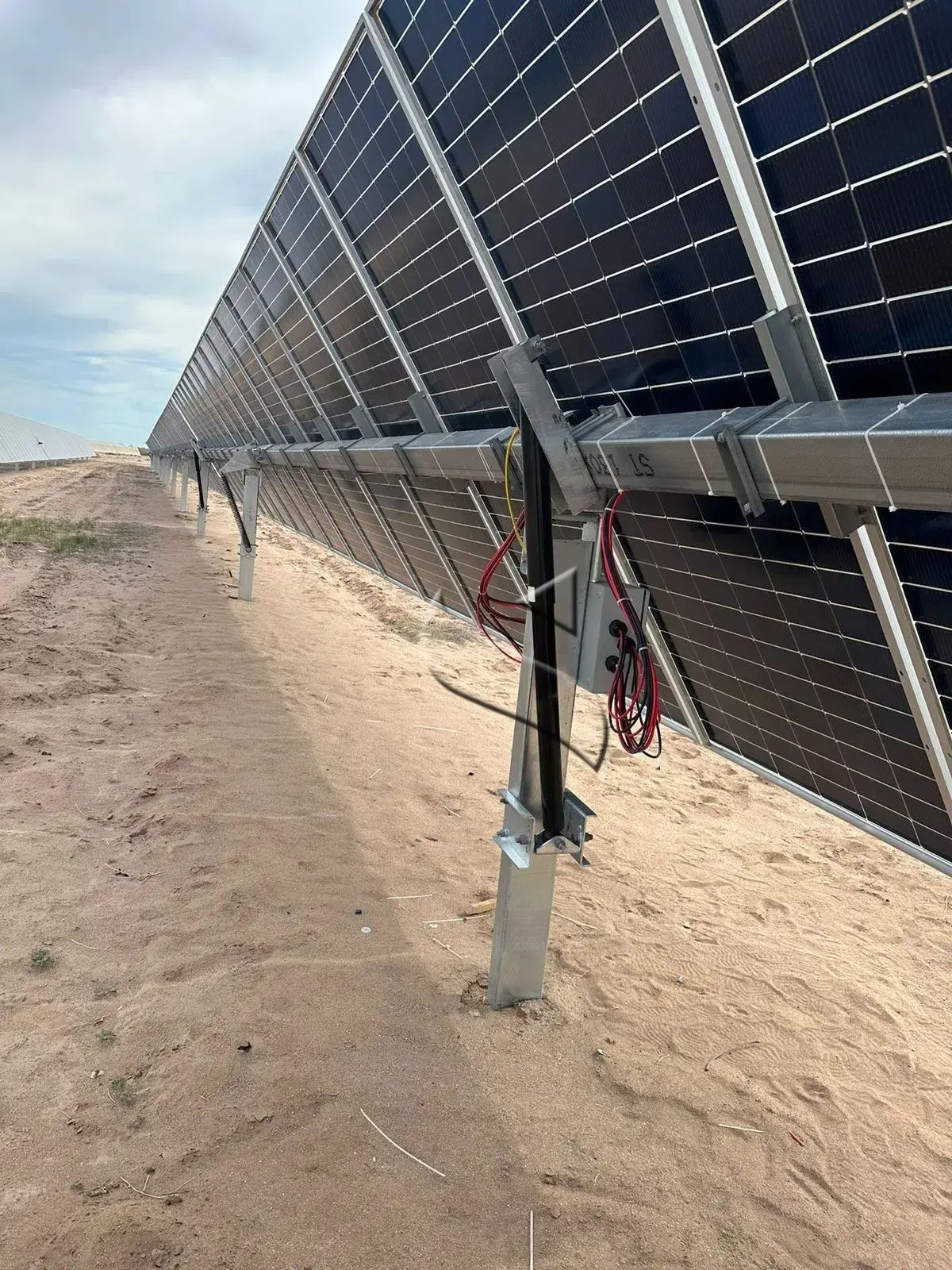
Imagine a world where every installation feels effortless, with mounting systems that adapt seamlessly to your needs. Modular mounting designs revolutionize how we approach setup tasks, offering flexibility that transforms complex installations into straightforward processes. Gone are the days of struggling with rigid, one-size-fits-all solutions—these designs allow components to snap together intuitively, reducing installation time and minimizing errors.
By incorporating interchangeable parts and user-friendly interfaces, modular systems empower users to customize setups without specialized tools or technical expertise. This adaptability not only speeds up deployments but also enhances long-term usability, as components can be easily swapped or upgraded as requirements evolve. The result is a smoother, more efficient workflow that keeps projects on track and reduces frustration.
In practice, these designs shine in diverse applications, from industrial machinery to consumer electronics, where quick assembly and reliability are paramount. They eliminate bottlenecks by standardizing connections, ensuring consistent performance across installations. Ultimately, modular mounting isn't just about convenience—it's a strategic advantage that boosts productivity and fosters innovation in any setting.
Boost Energy Output Using Durable Weather-Resistant Components
When it comes to maximizing energy production, the durability and weather resistance of components often make or break long-term performance. Instead of simply opting for standard parts, consider investing in high-quality materials designed to withstand harsh conditions—like UV-stabilized plastics, corrosion-resistant metals, and sealed electrical connections. These choices can prevent degradation from sun, rain, or extreme temperatures, ensuring your system maintains optimal output without frequent maintenance or replacements.
For instance, using weather-resistant solar panels with reinforced frames and tempered glass can significantly reduce energy loss due to environmental wear. Similarly, durable inverters and wiring encased in protective coatings help sustain efficiency even in humid or salty air, common in coastal or industrial areas. It’s not just about surviving the elements; it’s about consistently delivering power without downtime, which translates to higher overall energy yields and cost savings over the system’s lifespan.
By prioritizing components that combine toughness with performance, you create a resilient energy setup that adapts to seasonal changes and unexpected weather events. This approach not only boosts output reliability but also minimizes the need for repairs, allowing you to focus on scaling or optimizing other aspects of your energy strategy. In essence, durable weather-resistant parts are a smart investment that pays off through sustained, high-energy production year after year.
Reduce Long-Term Costs Through Innovative Maintenance-Free Systems
Have you ever tallied up the yearly expenses tied to keeping equipment running smoothly? Traditional maintenance—routine checks, part replacements, and unexpected repairs—often adds up, quietly draining budgets. By adopting innovative maintenance-free systems, businesses can shift away from this reactive spending. These systems are engineered with robust, self-sustaining components that greatly reduce human intervention, translating directly into lower operational overhead and a more predictable financial outlook.
What makes these systems truly stand out is their ability to minimize downtime. Instead of halting production for scheduled upkeep, equipment operates continuously, preserving productivity and avoiding revenue losses. This isn't just about cutting costs; it's a strategic move to enhance reliability, boosting overall efficiency and giving companies a competitive edge in fast-paced markets.
Enhance Site Flexibility with Adjustable Ground-Mounted Solutions
Adjustable ground-mounted systems offer a practical way to adapt solar installations to varying terrain conditions, allowing for easier integration into landscapes with slopes or uneven ground. This flexibility reduces the need for extensive site preparation, saving both time and costs during project development.
With customizable settings, these solutions can be fine-tuned to optimize panel angles based on seasonal sun paths or specific energy output goals. This adaptability ensures that installations remain efficient over time, even as site requirements or environmental factors change.
By minimizing land disruption and offering modular designs, adjustable mounts also support future expansions or reconfigurations. This makes them a sustainable choice for projects aiming to balance energy production with minimal environmental impact.
Leverage Smart Technology for Real-Time Performance Monitoring
Imagine a world where performance insights unfold in the blink of an eye, not after the fact. Leveraging smart technology for real-time monitoring transforms this vision into reality, allowing businesses to track operations as they happen. Unlike traditional methods that rely on delayed reports, smart systems integrate sensors and IoT devices to capture live data streams, processing them instantly to highlight trends and anomalies. This immediate feedback loop empowers teams to make agile decisions, whether adjusting production lines or responding to customer service issues, ensuring that every moment counts in a fast-paced environment.
What sets this approach apart is its predictive edge—smart technology doesn't just report the now; it anticipates the next. By employing advanced algorithms and machine learning, these systems analyze real-time data to forecast potential bottlenecks or failures before they escalate. For instance, in a manufacturing setup, sensors might detect a slight temperature rise in machinery, triggering alerts that prevent costly downtime. This proactive stance shifts monitoring from reactive troubleshooting to a strategic advantage, fostering efficiency and resilience across industries.
Moreover, real-time performance monitoring through smart tech cultivates a culture of continuous improvement. With dashboards displaying live metrics, employees gain a clearer understanding of their impact, encouraging ownership and innovation. In sectors like logistics or healthcare, where every second matters, this technology ensures compliance and safety by instantly flagging deviations. It's not about adding complexity but simplifying oversight, turning data into actionable insights that drive growth and stakeholder confidence in an ever-evolving landscape.
FAQ
Top wholesale solar tracking systems include single-axis and dual-axis trackers from brands like Array Technologies, NEXTracker, and SunPower, designed to optimize energy capture by following the sun's path.
Solar tracking systems adjust panel angles throughout the day, increasing energy output by up to 25-35% compared to fixed mounts by ensuring optimal sunlight exposure.
Key factors include system durability, installation complexity, cost-effectiveness, compatibility with panels, and local climate conditions to ensure long-term reliability and performance.
Yes, options like single-axis trackers from manufacturers such as GameChange Solar offer scalable, budget-friendly solutions that balance efficiency gains with lower upfront costs.
Dual-axis trackers adjust on both horizontal and vertical planes, capturing up to 40% more energy than fixed mounts, surpassing single-axis systems which typically offer 25-30% gains.
Regular lubrication of moving parts, inspection of motors and sensors, and software updates are essential to prevent wear and maintain peak efficiency over the system's lifespan.
Many wholesale systems, like those from Soltec, are designed for retrofitting, allowing upgrades to enhance energy capture without completely replacing existing setups.
Conclusion
Top solar tracking mounting systems offer wholesale solutions that maximize efficiency through advanced dual-axis tracking, which optimizes solar arrays by dynamically adjusting to the sun's position, and modular mounting designs that streamline installations for faster deployment. By leveraging durable, weather-resistant components, these systems boost energy output even in harsh conditions, while innovative maintenance-free features reduce long-term costs, making them a cost-effective choice for large-scale projects.
These systems enhance site flexibility with adjustable ground-mounted solutions, allowing adaptation to varied terrains, and integrate smart technology for real-time performance monitoring, enabling proactive management and improved reliability. Together, these aspects deliver superior efficiency and value, positioning such systems as leading wholesale options in the solar industry, tailored to meet diverse energy needs with robust, scalable, and intelligent designs.
Contact Us
Contact Person: Simon
Email: [email protected]
Tel/WhatsApp: 8613672181100
Website: https://energetsolar.com/