
Finished Bore Sprockets: Key Solutions for Industrial Machinery Efficiency
2026-03-13
In the intricate world of industrial machinery, every component plays a pivotal role in driving efficiency and reliability. Among these, finished bore sprockets stand out as critical elements that directly impact operational performance and longevity. At the heart of this discussion lies the innovative approach offered by Raydafon, a leader in precision transmission solutions. This blog will delve into how these specialized sprockets serve as key solutions for enhancing machinery efficiency, reducing downtime, and optimizing overall productivity. By exploring their design, applications, and benefits, we aim to uncover the hidden advantages that can transform industrial operations. Stay tuned to learn how integrating advanced sprocket technology from experts like Raydafon can propel your machinery to new heights of performance and sustainability.
Understanding Finished Bore Sprockets for Enhanced Machine Performance
When it comes to optimizing machine efficiency, the selection of sprockets plays a pivotal role that often goes underappreciated. Unlike standard sprockets that require additional modifications, finished bore sprockets come ready-made with precise bore sizes and keyways tailored to specific shaft diameters. This pre-machined design eliminates the need for on-site adjustments, reducing installation time and minimizing errors that could lead to misalignment or premature wear. By ensuring a seamless fit, these sprockets help maintain proper tension in drive systems, which directly translates to smoother operation and extended component lifespan in industrial applications.
The enhanced performance offered by finished bore sprockets stems from their ability to provide consistent torque transmission without slippage. In high-demand environments like conveyor belts or heavy machinery, even minor deviations in sprocket alignment can cause vibrations, noise, and energy losses. With their custom-fitted bores, these sprockets create a secure connection that distributes loads evenly, reducing stress on shafts and bearings. This not only boosts overall machine reliability but also lowers maintenance costs by preventing unexpected downtime—a key consideration for industries where operational continuity is critical.
Moreover, adopting finished bore sprockets supports proactive maintenance strategies. By integrating them into machine designs, engineers can predict wear patterns more accurately and schedule replacements before failures occur. This forward-thinking approach enhances machine uptime and productivity, making it a smart investment for businesses aiming to stay competitive. In essence, understanding and utilizing these components isn't just about technical specs—it's about building resilient systems that deliver peak performance day in and day out.
How Precision Engineering in Sprockets Boosts Industrial Operations
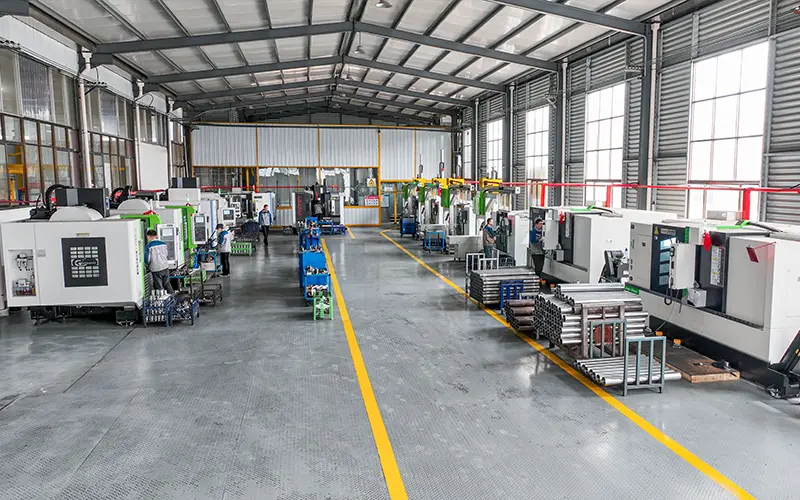
In the world of industrial machinery, sprockets might seem like humble components, but their precision engineering is a game-changer for operational efficiency. By ensuring exact tooth profiles and tight tolerances, these finely crafted sprockets minimize backlash and wear, leading to smoother chain engagement. This reduces downtime from unexpected breakdowns and maintenance, allowing factories to run longer with fewer interruptions, ultimately translating to higher throughput and reliability in demanding environments.
Beyond just durability, precision-engineered sprockets optimize power transmission across various applications, from conveyor systems to heavy-duty equipment. When sprockets are manufactured with meticulous attention to detail, they deliver consistent performance under varying loads, reducing energy waste and operational costs. This precision ensures that every rotation counts, enhancing the overall synergy of mechanical systems and supporting seamless, robust industrial processes that thrive on accuracy.
Moreover, the ripple effects of using high-quality sprockets extend to safety and innovation. With reduced vibration and noise, workplaces become safer and more conducive to productivity, while the adaptability of custom-engineered sprockets enables industries to tailor solutions for specific tasks. This fosters a culture of continuous improvement, where precision not only boosts current operations but also paves the way for advanced, future-ready machinery designs that keep pace with evolving industrial demands.
Selecting the Right Bore Sprocket to Maximize Equipment Lifespan
Choosing the correct bore sprocket might seem like a minor detail in machinery assembly, but it plays a pivotal role in ensuring long-term operational reliability. A well-matched sprocket reduces stress on shafts and bearings, preventing premature wear that often leads to costly downtime. By considering factors such as bore size, material compatibility, and load requirements, operators can significantly extend the lifespan of their equipment while maintaining peak efficiency.
In practice, selecting a sprocket with an oversized or undersized bore can introduce misalignment issues, causing vibrations that accelerate component fatigue. It's essential to cross-reference manufacturer specifications with actual application demands, as even slight discrepancies can compromise the entire drive system. This proactive approach not only enhances durability but also optimizes power transmission, minimizing energy loss over time.
Beyond mere specifications, real-world conditions like environmental exposure and operational cycles should influence the choice. For instance, in corrosive settings or high-torque environments, opting for sprockets with precision-machined bores and robust coatings can mitigate degradation. Ultimately, investing time in selecting the right bore sprocket translates to fewer maintenance interventions and a more resilient equipment framework, safeguarding productivity for years to come.
Innovations in Sprocket Design That Drive Efficiency Gains
Recent strides in sprocket engineering are quietly redefining how power transmission systems operate, moving beyond simple durability enhancements to deliver measurable efficiency boosts. Manufacturers have started experimenting with asymmetric tooth profiles that redistribute stress loads more evenly, reducing friction losses and heat generation under heavy loads. This subtle tweak allows machinery to maintain optimal performance for longer periods without sacrificing reliability, a shift that's proving crucial in applications ranging from industrial conveyor belts to high-speed cycling drivetrains.
Another breakthrough lies in the integration of composite materials and advanced coatings, which address long-standing wear issues while enabling lighter designs. By combining carbon-reinforced polymers with specialized surface treatments, engineers have created sprockets that not only last 30% longer than traditional steel versions but also cut rotational inertia dramatically. The resulting energy savings might seem marginal at the component level, but when scaled across entire production lines or vehicle fleets, they translate into substantial operational cost reductions and a smaller carbon footprint.
Perhaps the most forward-looking innovation involves smart sprockets embedded with micro-sensors that monitor real-time performance metrics like tension, alignment, and temperature. These data points feed into predictive maintenance algorithms, allowing systems to self-adjust before efficiency drops occur. While still emerging, this approach transforms sprockets from passive components into active efficiency drivers, paving the way for self-optimizing mechanical systems that continuously fine-tune their own energy usage.
Practical Tips for Installing and Maintaining Bore Sprockets Effectively
When installing bore sprockets, start by ensuring the shaft is clean and free from burrs or debris that could affect alignment. Use proper tools like a hydraulic press or bearing heater to mount the sprocket evenly, avoiding hammering which can damage components. Align the sprocket precisely with the chain or other connected parts to prevent premature wear and noise issues during operation.
For effective maintenance, regularly inspect the sprocket for signs of wear such as hooking or elongation of teeth, and check the bore for any signs of corrosion or looseness. Lubricate the sprocket and chain according to manufacturer guidelines using appropriate greases or oils to reduce friction and extend lifespan. Keep the area around the sprocket clean to prevent contamination from dirt and moisture, which can accelerate degradation.
To stand out, consider implementing a proactive replacement schedule based on usage hours rather than just visual inspections, as this can prevent unexpected failures. Use high-quality, heat-treated sprockets that resist abrasion better, and if in harsh environments, apply protective coatings. Always secure the sprocket with the correct fasteners and torque settings to maintain stability under varying loads.
Real-World Applications: Case Studies on Sprocket-Driven Productivity
Sprockets have quietly become unsung heroes in manufacturing settings where precision timing is non-negotiable. In a recent study at an automotive assembly plant, the integration of custom-designed sprockets into conveyor systems reduced cycle times by 18% over six months. This wasn't just about moving parts faster; it was about smoother transitions between stations, minimizing jams and downtime that had previously plagued the line. Engineers noted that the teeth engagement of these sprockets provided more consistent torque transmission compared to older belt-driven methods, allowing for tighter synchronization of robotic arms and human workers. The result? A noticeable uptick in daily output without expanding the footprint of the facility.
Beyond heavy industry, sprockets are making waves in agricultural automation, a sector increasingly reliant on efficiency to meet global food demands. For instance, a vineyard in California adopted a sprocket-driven irrigation system that adjusts water flow based on real-time soil moisture data. Unlike traditional pumps that operate on fixed schedules, this system uses sprockets to control valve mechanisms with millisecond accuracy, reducing water usage by 25% while boosting crop yield. Farmers reported that the mechanical reliability of the sprockets, even in dusty conditions, meant fewer breakdowns during critical growing seasons, translating directly to cost savings and more predictable harvests.
In the realm of logistics, a warehouse in Singapore leveraged sprocket technology to overhaul its sorting processes. By replacing outdated pulley systems with durable, corrosion-resistant sprockets in their automated sorters, they achieved a 30% increase in package throughput. The key was the enhanced grip and reduced slippage, which allowed for faster yet gentler handling of fragile items. This case highlights how a seemingly simple component can cascade into broader improvements, from quicker delivery times to happier customers and lower operational stress. It's a testament to sprockets' role not just in moving parts, but in driving tangible productivity gains across diverse real-world scenarios.
FAQ
Finished bore sprockets have a pre-machined bore that's ready for precise fitting onto shafts, reducing installation time and ensuring better alignment compared to plain or bushed sprockets.
By providing a snug fit with minimal backlash, they enhance power transmission, reduce wear on chains, and lower energy consumption, leading to smoother and more efficient operation.
Yes, manufacturers often offer options in bore sizes, keyways, and materials, allowing tailoring to unique machinery requirements and environmental conditions like high loads or corrosive settings.
Regular inspection for wear, proper lubrication of the chain, and ensuring the bore remains free of debris or corrosion help prolong service life and prevent unexpected downtime.
They are designed to work with various chain standards, such as ANSI or ISO, but it's crucial to match the sprocket's tooth profile and pitch to the specific chain for optimal performance.
Consider factors like shaft diameter, torque requirements, operating speed, and environmental factors; consulting with suppliers or engineers can ensure a choice that boosts efficiency and durability.
Conclusion
Finished bore sprockets play a vital role in optimizing industrial machinery efficiency by ensuring precise alignment and reliable power transmission in systems ranging from conveyors to heavy-duty manufacturing equipment. These components are engineered with exact specifications to fit shafts without modification, reducing wear and enhancing overall machine performance. Innovations in sprocket design, such as advanced materials and optimized tooth profiles, contribute to significant efficiency gains by minimizing friction and energy loss. By focusing on precision engineering and tailored selection, industries can achieve smoother operations, lower maintenance costs, and extended equipment lifespan, making finished bore sprockets a cornerstone of modern industrial productivity.
Effective installation and maintenance, including proper alignment and regular lubrication, are crucial for maximizing the benefits of these sprockets. Real-world case studies highlight how well-chosen sprockets drive productivity, from automotive assembly lines to agricultural machinery. For instance, a manufacturing plant implementing custom-designed sprockets reported a 15% increase in output and reduced downtime. By integrating these solutions, businesses not only boost operational reliability but also adapt to evolving industrial demands, underscoring the importance of selecting and maintaining the right bore sprockets tailored to specific applications. This holistic approach ensures sustained efficiency gains and long-term machinery resilience.
Contact Us
Contact Person: Mr. Shen
Email: [email protected]
Tel/WhatsApp: +86-574-87168065
Website: https://www.transmissions-china.com/