
Best PM Fiber Fusion Splicer: Top Picks for Precision Splicing
2026-08-06
When it comes to polarization-maintaining (PM) fiber splicing, precision isn’t just a goal—it’s a necessity. A single misaligned core can ruin signal integrity, making your choice of fusion splicer the most critical decision in your workflow. With cutting-edge technology reshaping the field, a handful of machines now deliver the sub-micron accuracy that high-stakes applications demand. Among them, DVP has carved out a reputation for robust, repeatable performance that even the most demanding labs trust. In this guide, we’ll walk you through the top picks that blend precision, speed, and ease of use—so you can stop worrying about your splices and focus on what comes next.
Understanding the Nuances of Polarization-Maintaining Fibers
Polarization-maintaining (PM) fibers are engineered to preserve the polarization state of light over long distances, a feat that standard single-mode fibers cannot reliably achieve. Unlike conventional fibers where random birefringence causes unpredictable coupling between polarization modes, PM fibers introduce a high and consistent birefringence through deliberate internal stress. This stress, typically created by two diametrically opposed stress-applying parts in the cladding, breaks the cylindrical symmetry and creates two principal axes—fast and slow—with distinct refractive indices. Light polarized along one of these axes maintains its orientation with minimal cross-talk, making these fibers indispensable in interferometric sensors, coherent communication, and quantum optics.
The nuances of PM fiber performance hinge on how well the fiber's birefringence resists external perturbations. Parameters like beat length—the distance over which the two polarization modes accumulate a 2π phase difference—define the fiber's ability to maintain polarization. A shorter beat length implies stronger birefringence and better resilience to bends, twists, and temperature fluctuations. However, real-world deployment often demands careful alignment of the input polarization with the fiber's axes, a process that can be sensitive to connector and splice imperfections. Even the best PM fibers have a finite extinction ratio, and understanding how this degrades under mechanical stress or environmental change is critical for system designers who rely on stable polarization for accurate measurements.
Beyond the basic specs, the choice between different PM fiber designs—such as Panda, Bow-tie, or Elliptical core—reveals trade-offs in attenuation, mode field diameter, and thermal stability. For instance, while Panda fibers dominate the market for their balance of performance and cost, Bow-tie variants can offer superior polarization extinction in tight coil configurations. Emerging applications in fiber optic gyroscopes and high-power fiber lasers push the boundaries further, demanding fibers that maintain polarization not just statically but under dynamic conditions and high optical intensities. As the photonics landscape evolves, a deeper grasp of these subtleties separates robust, field-ready solutions from lab-bound prototypes.
Critical Factors That Influence Splice Quality
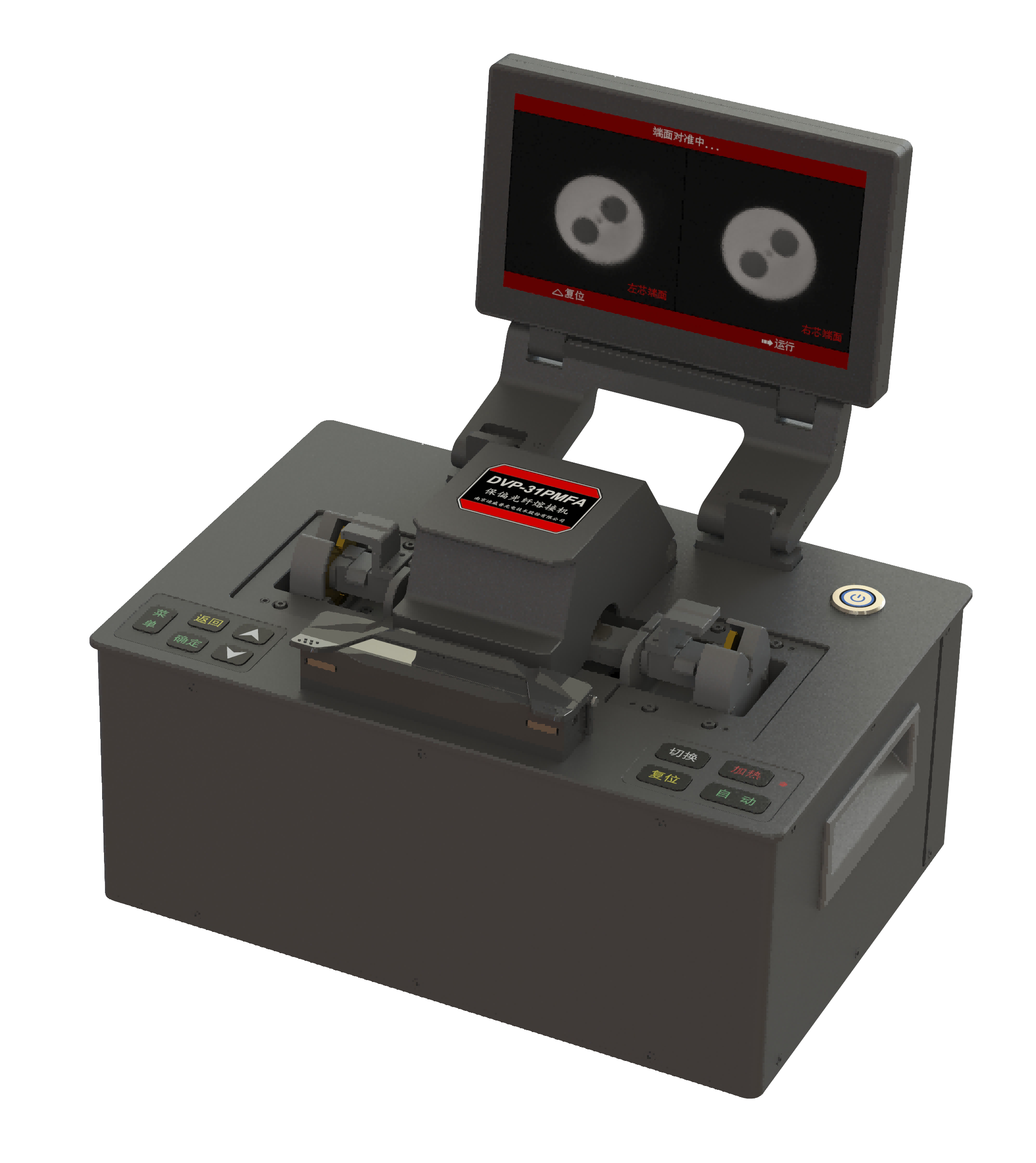
Splice quality isn't just about following a procedure—it's about controlling the subtle variables that quietly undermine performance. One often overlooked factor is fiber end-face cleanliness. Even microscopic contaminants can introduce insertion loss or back-reflection, degrading signal integrity. In field environments, dust, oil, and residue from cleaning tools accumulate fast. A single missed inspection can turn a routine splice into a latent failure point. Using fresh, lint-free wipes and inspecting each fiber with a scope before splicing isn't optional; it's the bedrock of consistent results.
Another critical element is the precision of the cleave. The cleave angle and surface quality directly affect how well the fibers fuse. A poor cleave—showing hackle, chips, or a steep angle—creates an uneven melt zone, leading to mechanical weakness and high loss. Mastery here isn't about expensive cleavers alone; it's about disciplined maintenance and adapting to environmental conditions. Humidity, temperature, and even the age of the blade change how the glass fractures. Skilled technicians learn to read those subtle cues, adjusting technique or tool settings on the fly.
Beyond the physical steps, environmental control during the splicing process itself is a game-changer. Wind, vibration, and rapid temperature shifts can wreak havoc on alignment and fusion. A slight gust through an open manhole or a truck rumbling nearby can skew the core alignment just enough to ruin an otherwise perfect splice. In practical work, creating a stable micro-environment—using splice tents, securing the splice machine on solid ground, and shielding the workspace from drafts—often separates amateurs from professionals. It's these little battles against chaos that determine long-term network reliability.
Examining Splicer Designs and Their Trade-offs
Splicer design often feels like a balancing act between simplicity and capability. The most straightforward mechanical splicers rely on manual alignment and a straightforward clamp-and-crimp mechanism, which can be incredibly durable in the field but demand a practiced hand to avoid inconsistent results. Their simplicity makes them inexpensive and easy to repair, yet the trade-off is a wider margin for error in fiber alignment, which can lead to higher insertion loss if the operator isn't meticulous. Meanwhile, factory-assembled mechanical splicers incorporate precision grooves and index-matching gel to help align fibers almost effortlessly, delivering more consistent performance at the cost of being a one-time-use component that can't be reworked if something goes wrong during installation.
Moving deeper into active alignment territory, fusion splicers take a fundamentally different approach by melting the fiber ends together. Here, the core trade-off shifts toward precision versus speed and cost. Core alignment fusion splicers actively profile the fiber cores before and during heating, automatically adjusting position to minimize loss—ideal for long-haul or high-speed networks where even tenths of a decibel matter. But that precision comes at a steep price and slower splice times. On the other end, clad alignment splicers simply line up the outer edge of the fibers, a faster and more affordable method that works well for many access networks, though it can produce slightly higher and less predictable loss, especially with older or imperfect fibers.
A less obvious but equally critical trade-off is how the splice mechanics interact with field conditions. Ribbon splicers that batch-fuse multiple fibers simultaneously can dramatically cut down installation time in dense cable environments, but they introduce their own headaches—a single misaligned fiber in the ribbon can force a redo of the whole array, and the equipment tends to be bulkier and more fragile. Similarly, simplified handheld splicers designed for FTTH drop cables might sacrifice the fancy diagnostic screens and environmental sealing of high-end units, yet their light weight and one-button operation make them invaluable for technicians climbing poles or working in cramped spaces. This constant negotiation between performance, durability, and practicality keeps splice engineering from ever becoming a solved problem.
Insights from Field Use and Reliability Data
Real-world performance rarely mirrors lab conditions. Collecting and analyzing field data reveals how products actually behave under varied stresses, user habits, and environmental factors. This helps us spot failure patterns that accelerated tests alone might miss, like intermittent faults triggered by specific usage sequences or gradual wear that doesn't follow textbook predictions.
Reliability metrics drawn from service records and returned parts often paint a more honest picture than controlled experiments. They show not just what breaks, but when and why—pointing to design margins that need widening or assembly steps prone to human error. Over time, these insights reshape maintenance schedules, spare part inventories, and even the way we train field technicians.
One overlooked benefit is the feedback loop into early development. When field data feeds directly into next-gen designs, you see fewer repeat issues and faster maturity curves. Teams start asking better questions during design reviews because they’ve internalized the real cost of overlooking a subtle failure mode. It shifts the culture from meeting spec to delivering resilience that endures far beyond warranty.
Overcoming Common Obstacles in PM Splicing
PM splicing often hits a wall when fibers refuse to align, usually due to poor cleaves or contaminated connectors. A quick inspection under a scope can reveal microscopic debris that disrupts the polarization axis, so cleaning with a proper one-click cleaner before even attempting alignment saves hours of frustration. And if the fusion splicer keeps rejecting the splice, double-check the cleave angle—even a slight deviation beyond 0.5 degrees throws off the core alignment and degrades extinction ratio.
Another headache is managing the polarization maintaining fiber’s stress rods, which need precise rotational alignment. Many splicers offer a profile alignment system, but relying solely on automatic rotation can backfire if the fiber isn’t securely clamped. I’ve found that gently nudging the fiber while watching the end-view camera, then locking the rotation before the final splice, prevents those dreaded high-loss events. It’s a small manual step that dramatically improves repeatability.
When you’re working with different PM fiber types, like panda versus bow-tie, the splicer’s default parameters rarely cut it. Tweaking the arc power and duration based on the fiber’s coating and geometry keeps the stress-applying parts intact. And after splicing, don’t skip the proof test—a slight tug reveals weak spots that visual inspection misses. Keep notes on what worked for each fiber combination; it turns trial and error into a reliable process over time.
Selecting a Splicer That Fits Your Workflow
When we talk about fusion splicers, it’s easy to get lost in specifications—alignment precision, splice time, heating cycle duration. But the real measure of a splicer isn’t just what it does in isolation; it’s how naturally it slips into the rhythm of your daily operations. A model that fights your workflow will cost you far more in wasted minutes and mounting frustration than you’d ever save on the purchase price.
Start by mapping out your typical jobsite reality. Are you splicing ribbon fibers in a controlled data center, or wrestling single fibers in a muddy trench? The answer dictates everything from cleave performance to how the unit handles dust, wind, and vibration. Look beyond the bulk on paper—consider the balance, the screen visibility under sunlight, and whether the buttons still make sense when you’re wearing soaked gloves. These minutiae determine whether a tool becomes an extension of your hands or an obstacle you keep tucked in the van.
Don’t overlook software and connectivity either. Core alignment algorithms can be brilliant, but if transferring results or updating firmware requires an arcane dance with outdated laptops, you’ll dread every maintenance cycle. The right splicer should communicate effortlessly with your existing asset management tools, loading splice data where it matters without demanding your constant attention. It’s that quiet compatibility that transforms a high-tech gadget into a genuine workflow partner.
FAQ
A PM fiber fusion splicer is a specialized instrument designed to join polarization-maintaining optical fibers while preserving their birefringence axis. In simple terms, it ensures the light’s polarization state stays locked as it travels through the splice. Precision is everything here – even a slight angular misalignment between the stress rods or elliptical cores can ruin the polarization extinction ratio, leading to signal drift, measurement errors in sensors, or degraded performance in coherent communication systems. Unlike standard single-mode splicing, PM splicing demands sub-micron alignment accuracy and often active polarization axis observation to achieve reliable low-loss, high-ER results.
Top-tier PM splicers use dedicated imaging techniques, like side-view polarization axis observation (IPA/PAO), to directly see the stress-applying parts or the core geometry. They then automatically rotate the fibers to match these axes. Standard splicers typically rely on cladding or core alignment alone, which can't detect the PM axis and thus end up with random orientation – a gamble that almost never pays off for polarization performance. The best machines also incorporate real-time feedback during the fusion arc to compensate for any tiny shifts caused by heat or electrode irregularities, something you won't find in a basic core-alignment splicer.
There’s been a noticeable shift where brands like Fujikura, Sumitomo, and Fitel still hold premium positions, but challengers like INNO Instruments, Signal Fire, and even some de-featured models from Xianghe are drawing serious attention. The INNO View 7 and View 3 PM variants, for example, pack real PAO alignment into a surprisingly compact chassis at a fraction of the cost of flagship Fujikura units. Meanwhile, Fujikura’s 70S and Sumitomo’s TYPE-72C+ remain the gold standard for labs that can justify the investment, with unmatched reliability and splicing consistency. The sweet spot for many small businesses has become the used or refurbished Fujikura FSM-100P, which still outperforms many newer budget options.
First, decide whether you need active alignment like IPA/PAO or if passive alignment with good offset learning is enough for your extinction ratio budget. For field use, weight and battery life jump to the top – look for something under 2.5 kg with hot-swappable packs. Also, check if the splicer has automatic PM axis alignment for the fiber types you commonly work with (PANDA, bow-tie, etc.). Dust and water resistance matter outdoors, so IP ratings and sealed electrode housings help. In a lab, prioritize programmability and data logging: can you fine-tune arc power, pull speeds, and store custom recipes? A high-resolution touchscreen that shows the real-time alignment image is a must for precise evaluation. Don’t overlook the clamp design – poor clamps can induce micro-bends that ruin your loss readings.
The INNO View 7 PM stands out for combining a built-in PAO system with a user-friendly interface at under $8,000, often delivering extinction ratios above 30 dB and losses below 0.05 dB for PANDA fiber. The Fujikura 70S+ with the PM splicing kit is pricier but offers enterprise-grade repeatability and after-sales support that many contractors need. For labs on a tight budget, the used Fujikura FSM-100P still holds its own – it’s built like a tank, and you can often find calibrated units with a warranty from reputable resellers. Signal Fire’s AI-9 with PM option is a bit of a dark horse: it’s surprisingly capable for field work, though you’ll need patience with its alignment speed. If you’re splicing large volumes and need speed, the Sumitomo TYPE-72C+ with its dual-direction alignment cameras is a workhorse that justifies its cost over time.
Absolutely, but it requires realistic expectations and proper technique. Modern portable splicers like the Fujikura 70S or the INNO View 7 can easily hit losses below 0.05 dB and ER above 32 dB for matched fibers if the cleaves are perfect and the fibers are spotless. The catch is that field conditions introduce variables – dust, temperature swings, and less stable work surfaces. Using a good fiber cleaver (like the CT50 or CT30) and regularly cleaning the V-grooves and electrodes makes a huge difference. Also, many techs find that running a ‘burn-off’ arc before the final splice, as some machines allow, helps stabilize the arc and yields more consistent ER. It’s not as forgiving as a bench setup, but with practice, you can get lab-grade results in the back of a van.
Conclusion
When selecting the best PM fiber fusion splicer for precision applications, understanding the unique behavior of polarization-maintaining fibers is critical. These fibers rely on stress-applying parts to preserve the polarization state, but this very structure makes splicing more delicate than standard single-mode fibers. A quality splice must minimize insertion loss while maintaining a high polarization extinction ratio, which depends on precise core alignment and rotational orientation. Advanced splicers use image-profile alignment or active polarization alignment to tackle these challenges, though each method involves trade-offs in speed, cost, and achievable performance. Field feedback consistently emphasizes that automated alignment systems reduce operator error, but they must be rugged enough to handle real-world conditions without frequent recalibration.
The best splicer for your workflow integrates seamlessly with daily operations, offering quick setup, intuitive software, and consistent results across varying fiber types. Durability and manufacturer support also weigh heavily in long-term satisfaction, as highlighted by reliability data from extended field use. Common obstacles like end-face contamination or environmental vibration can undermine even the best machines, so built-in cleave inspection and active stabilizers are valuable features. Ultimately, the top picks balance precision engineering with practical usability, ensuring that whether splicing in a lab or a manhole, you achieve reliable polarization-maintaining splices with minimal fuss. By focusing on these real-world demands rather than chasing theoretical specs alone, you can confidently select a splicer that elevates the overall quality of your optical network.
Contact Us
Contact Person: Mr XU
Email: [email protected]
Tel/WhatsApp: 86-25-85582828
Website: https://www.dvp.cn/en/