Automatic Transfer Switch Solutions: Top Company Innovations for Reliable Power Management
2025-12-24
In today's fast-paced world, reliable power management is no longer a luxury—it's a necessity for businesses and individuals alike. As disruptions from grid failures to unexpected outages become more common, the demand for seamless electrical backup solutions is higher than ever. That's where automatic transfer switches (ATS) come into play, offering a critical lifeline by ensuring uninterrupted power supply during critical moments. In this blog, we delve into the top company innovations in ATS solutions, showcasing how cutting-edge technologies are revolutionizing power reliability. But before we explore these advancements, we want to highlight SINGI, a leader in the field that has been at the forefront of developing robust and intelligent ATS systems. Join us as we uncover the latest trends and breakthroughs that are setting new standards for dependable energy management.
Innovative ATS Designs for Seamless Power Switching
Modern ATS (Automatic Transfer Switch) designs are revolutionizing how facilities manage power transitions, moving beyond basic switching to deliver near-instantaneous, intelligent power handoffs. By integrating advanced microprocessors and real-time monitoring, these systems analyze power quality, detect anomalies, and initiate transitions in milliseconds—often without the flicker or downtime that plagued older models. This isn't just about backup power; it's about maintaining operational continuity in critical environments like data centers, hospitals, and manufacturing plants, where even a brief interruption can lead to significant losses or safety risks.
What sets the latest ATS innovations apart is their focus on predictive capabilities and energy optimization. Instead of merely reacting to a power failure, these systems use predictive analytics to anticipate issues based on historical data and grid conditions, allowing for proactive measures. For example, they can schedule smooth transitions during peak demand periods or integrate with renewable energy sources, dynamically shifting to solar or stored battery power to reduce reliance on the grid. This not only ensures seamless switching but also enhances energy efficiency and sustainability, making the ATS a strategic asset rather than just a contingency tool.
Furthermore, the user experience has been transformed through remote accessibility and simplified maintenance. With cloud-based interfaces and mobile apps, operators can monitor and control ATS units from anywhere, receiving alerts and diagnostics in real-time. This reduces on-site visits and empowers teams to manage complex power systems with greater agility, ensuring that seamless switching is backed by seamless management. The result is a robust, adaptable solution that keeps critical operations running smoothly, no matter what the power landscape throws their way.
Advanced Monitoring Systems for Real-Time Power Management
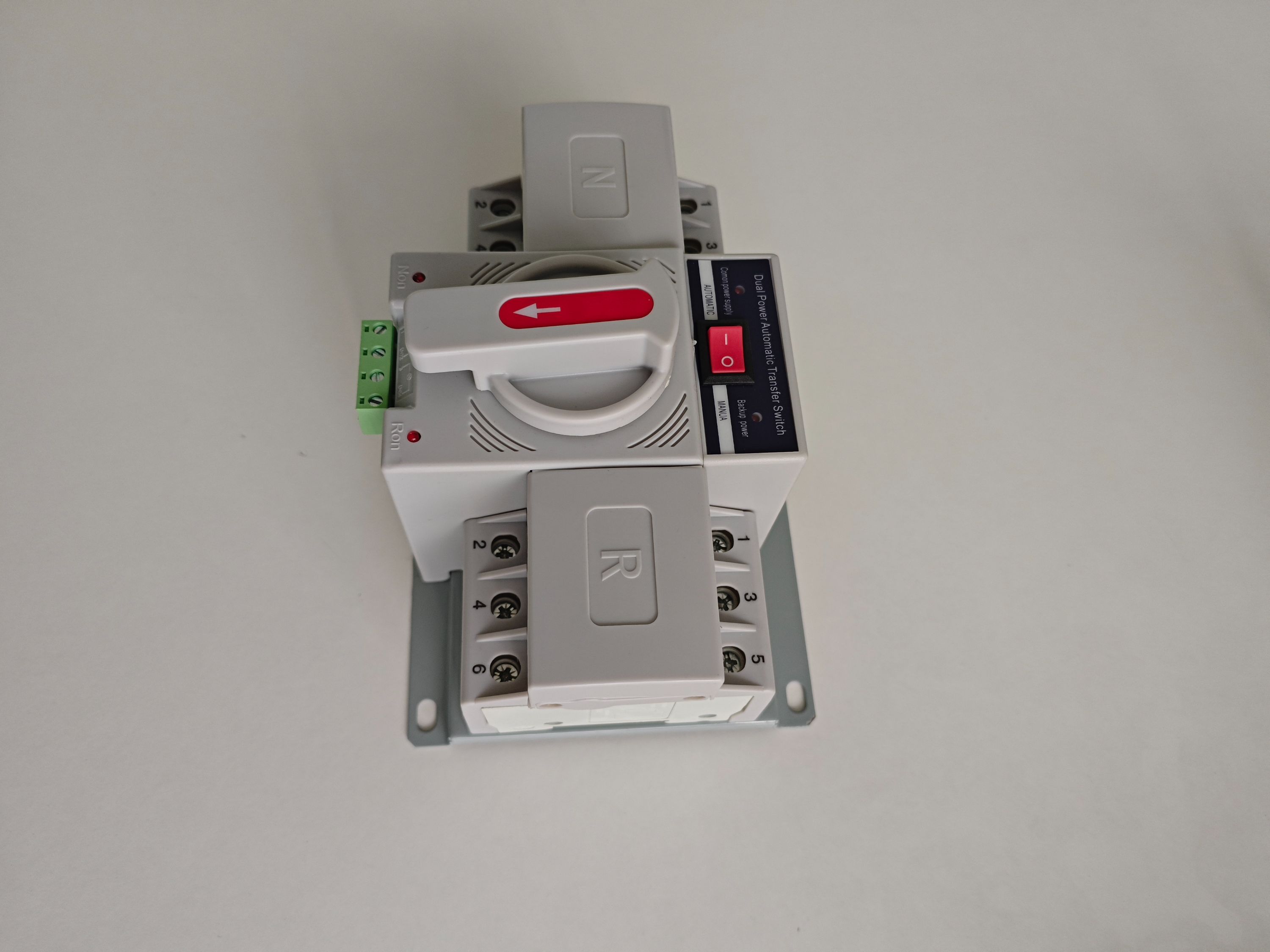
In today's fast-paced energy landscape, advanced monitoring systems have reshaped how we handle real-time power management. These cutting-edge tools go beyond basic metering, integrating sensors, IoT devices, and AI algorithms to provide a granular view of power consumption and grid stability. For instance, they can predict load fluctuations during peak hours or detect anomalies like voltage sags before they escalate into outages, enabling utilities to proactively balance supply and demand. This not only boosts efficiency but also supports the integration of renewable sources, making the grid more resilient and sustainable.
What sets these systems apart is their ability to deliver actionable insights in milliseconds, transforming raw data into strategic decisions. Imagine a smart factory where energy usage is optimized in real-time across production lines, or a city that dynamically adjusts street lighting based on traffic patterns—all powered by sophisticated dashboards and analytics. By leveraging edge computing and cloud platforms, these monitoring solutions minimize latency and ensure seamless operation, even in complex environments. The result? Reduced operational costs, lower carbon footprints, and a more responsive power infrastructure that adapts to changing needs.
Ultimately, the adoption of advanced monitoring systems isn't just about technology; it's about empowering stakeholders with unprecedented control. From energy managers to end-users, everyone benefits from transparent, real-time data that encourages smarter consumption habits. As these systems evolve, they're paving the way for innovations like microgrids and demand-response programs, fostering a collaborative ecosystem where efficiency and reliability go hand-in-hand. It's a shift from reactive fixes to proactive management, ensuring power flows smoothly in our increasingly connected world.
Enhancing Reliability with Smart Grid Integration
Smart grid integration significantly boosts reliability by enabling real-time monitoring and dynamic adjustments across the power network. Unlike traditional grids that operate reactively, smart technologies allow utilities to detect and address issues like voltage fluctuations or equipment failures before they lead to outages. For instance, automated sensors can identify a potential transformer overload and reroute electricity to prevent a blackout, ensuring a more stable and resilient energy supply.
One standout feature is the use of advanced data analytics and machine learning to predict and mitigate disruptions. By analyzing patterns from smart meters and IoT devices, utilities can anticipate demand spikes or weather-related risks, optimizing grid performance proactively. This predictive capability not only reduces downtime but also minimizes maintenance costs, offering a more efficient and cost-effective solution compared to conventional systems.
Moreover, smart grids enhance reliability through distributed energy resource integration, such as solar panels and battery storage, which can provide backup power during grid failures. This decentralization creates a more flexible and robust infrastructure, reducing dependence on centralized generation and improving overall grid resilience in the face of extreme events or cyber threats.
Customizable Solutions for Diverse Industrial Applications
Industries are constantly evolving, and one-size-fits-all approaches often fall short in addressing the unique challenges faced by different sectors. Customizable solutions have become essential, offering tailored strategies that adapt to specific operational needs and market demands. For instance, in the manufacturing industry, companies can integrate advanced automation systems that optimize production lines based on real-time data, significantly enhancing efficiency and reducing downtime. This flexibility allows businesses to respond swiftly to changing requirements, ensuring they stay competitive in a fast-paced environment.
From energy to logistics, customization plays a pivotal role in solving complex problems. In the renewable energy sector, for example, solutions can be designed to manage variable power outputs and grid integration, helping companies meet sustainability goals while maintaining reliability. Similarly, in logistics, custom software and hardware integrations enable precise tracking and route optimization, which minimizes costs and improves delivery times. By leveraging industry-specific expertise, these adaptable frameworks not only solve immediate issues but also set the stage for long-term growth and innovation.
Ultimately, the key to success lies in the ability to fine-tune solutions according to each application's nuances. Whether it's through modular components in construction or AI-driven analytics in healthcare, customizable approaches empower organizations to achieve more with fewer resources. This adaptability fosters resilience, allowing industries to thrive amid technological shifts and economic uncertainties, making it a cornerstone for future-ready operations.
Cost-Effective Technologies for Sustainable Energy Use
In today's push for sustainability, cost-effective technologies are bridging the gap between environmental responsibility and economic feasibility. From advanced solar panels that harness more energy per square foot to smart grid systems optimizing electricity distribution, these innovations reduce both carbon footprints and operational costs. Affordable energy storage solutions, like improved lithium-ion batteries, ensure renewable sources can reliably power homes and industries, making clean energy more accessible to a wider audience.
Beyond traditional renewables, emerging tech such as geothermal heat pumps and energy-efficient building materials are gaining traction for their low lifetime expenses. For instance, passive house designs minimize heating and cooling needs through superior insulation, cutting utility bills significantly. Similarly, IoT-enabled devices allow real-time monitoring and adjustments, preventing energy waste in commercial settings without hefty upfront investments. These approaches demonstrate how sustainability can align with financial savings, encouraging broader adoption in diverse sectors.
The future of sustainable energy rests on scalable, affordable innovations that don't compromise performance. Technologies like community solar projects enable shared access to renewable resources, lowering individual costs, while advancements in wind turbine materials enhance durability and efficiency over time. By prioritizing cost-effectiveness, these solutions not only address climate concerns but also empower communities and businesses to transition smoothly to greener practices, proving that eco-friendly choices can be both practical and profitable in the long run.
Future Trends in ATS: AI-Driven Predictive Maintenance
As artificial intelligence continues to advance, predictive maintenance in ATS (Automatic Test Systems) is poised to transform from a reactive to a proactive approach. Instead of waiting for equipment failures to occur, AI algorithms can analyze real-time data from sensors and historical performance metrics to forecast potential issues before they escalate. This shift not only minimizes downtime but also reduces maintenance costs and extends the lifespan of critical testing components, enabling organizations to maintain higher operational efficiency.
In the near future, AI-driven systems in ATS are expected to leverage machine learning models that adapt and improve over time based on new data inputs. These models can identify subtle patterns or anomalies that human operators might overlook, such as gradual wear in hardware or irregular software behaviors. By integrating with IoT devices and cloud platforms, these systems can provide continuous monitoring and alerts, allowing for swift interventions that prevent catastrophic failures and ensure consistent test accuracy.
Looking ahead, the adoption of AI in ATS predictive maintenance may also lead to more personalized and contextual recommendations. For instance, tailored maintenance schedules can be generated based on specific usage patterns and environmental factors, rather than relying on generic timelines. This level of customization enhances reliability and fosters innovation in test strategies, positioning companies to stay competitive in fast-evolving industries by optimizing resource allocation and minimizing risks associated with unexpected breakdowns.
FAQ
Top companies are now integrating IoT and AI to enable predictive maintenance and real-time monitoring, ensuring quicker response to power outages by automatically transferring loads without human intervention.
Advanced ATS systems incorporate redundancy designs and self-diagnostic features, reducing downtime risk and maintaining seamless power continuity for essential operations like data centers or hospitals.
Companies like Eaton and Schneider Electric are frontrunners, differentiating themselves with smart, cloud-connected switches that offer customizable settings and robust cybersecurity protections against hacking.
Yes, newer ATS models are designed to seamlessly integrate with solar or wind power, managing hybrid energy grids by prioritizing green sources during operation to boost sustainability.
Common issues include high upfront costs and compatibility with existing infrastructure, but modular and scalable designs from innovators help ease installation and future upgrades.
By automating power transfers and reducing manual oversight, these advancements cut labor expenses and energy waste, leading to significant savings over time through improved efficiency.
Healthcare, telecommunications, and manufacturing sectors gain immense value, as reliable power management prevents data loss, equipment damage, and ensures compliance with strict safety regulations.
Conclusion
In the evolving landscape of reliable power management, leading companies are driving innovation in Automatic Transfer Switch (ATS) solutions through cutting-edge designs and integrated systems. These advancements focus on seamless power switching with ATS designs that minimize downtime during transitions, ensuring uninterrupted operations in critical settings. Additionally, real-time monitoring systems provide comprehensive oversight of power quality and usage, enabling proactive adjustments and enhancing overall system resilience. By integrating with smart grids, these solutions not only improve reliability but also optimize energy distribution dynamically, adapting to fluctuating demands and renewable energy inputs. This holistic approach ensures that power management is both efficient and robust, setting new standards for industrial and commercial applications.
Moreover, these innovations extend to customizable solutions tailored for diverse industries, from healthcare to manufacturing, addressing specific needs and operational challenges. Cost-effective technologies promote sustainable energy use by reducing waste and leveraging energy-efficient components, balancing economic and environmental goals. Looking ahead, future trends such as AI-driven predictive maintenance are poised to revolutionize ATS functionality, using data analytics to foresee issues and schedule repairs before failures occur, thus maximizing uptime and longevity. Overall, these top company innovations in ATS solutions are transforming reliable power management into a more adaptive, intelligent, and user-centric domain, empowering organizations to achieve higher performance and resilience in an increasingly digital world.
Contact Us
Contact Person: Jack
Email: [email protected]
Tel/WhatsApp: (+86) 13757759651
Website: https://www.singi.com