Measuring Instruments
Introduction to Measuring Instruments
In the world of science, engineering, manufacturing, and quality control, precision is not just a goal—it is an absolute necessity. The foundation of this precision lies in the reliable and accurate data provided by high-quality measuring instruments. These tools are the critical interface between the physical world and quantifiable data, enabling professionals to verify specifications, ensure compliance, optimize processes, and drive innovation. From the micrometer that ensures a machine part fits perfectly to the sophisticated environmental analyzer monitoring air quality, measuring instruments are indispensable across every technical field.
At instruments-meters.net, we understand that the integrity of your work depends on the integrity of your tools. For decades, we have been at the forefront of supplying a comprehensive range of precision instruments, partnering with industry leaders and innovators. Our commitment is to provide not just products, but solutions that enhance accuracy, improve efficiency, and deliver confidence in every measurement taken.
Core Product Categories and Detailed Parameters
Our extensive catalog at instruments-meters.net is designed to meet the diverse needs of various industries. Below is a detailed breakdown of our core product categories with key parameters presented for professional evaluation.
Dimensional and Distance Measuring Tools
These instruments are fundamental for any mechanical, construction, or manufacturing application requiring exact size, thickness, or distance verification.
- Digital Calipers
- Measurement Range: 0-150mm / 0-6 inches
- Resolution: 0.01mm / 0.0005"
- Accuracy: ±0.02mm
- Display: LCD with IP54 dust/water resistance
- Data Output: Optional USB or Bluetooth for SPC
- Laser Distance Meters
- Range: Up to 100 meters
- Accuracy: ±1.5 mm
- Laser Class: Class II (eye-safe)
- Functions: Area, volume, indirect height calculation, stake-out
- Memory: Stores up to 30 measurements
Environmental and Air Quality Monitors
Critical for workplace safety, HVAC, industrial hygiene, and environmental studies.
| Instrument Type | Key Parameters Measured | Measurement Range | Accuracy | Data Logging |
|---|---|---|---|---|
| Thermo-Hygrometer | Temperature, Relative Humidity | -20°C to +60°C; 0% to 100% RH | ±0.5°C, ±2.5% RH | 10,000 points |
| Anemometer | Air Velocity, Temperature | 0.2 to 30 m/s; -10°C to 50°C | ±3% of reading ±0.1 m/s | Yes, with software |
| Sound Level Meter | Sound Pressure Level (dB) | 30 to 130 dB | ±1.5 dB (Type 2) | Real-time graphing |
Electrical and Electronic Testers
Essential for electricians, engineers, and technicians to ensure safety and functionality of electrical systems.
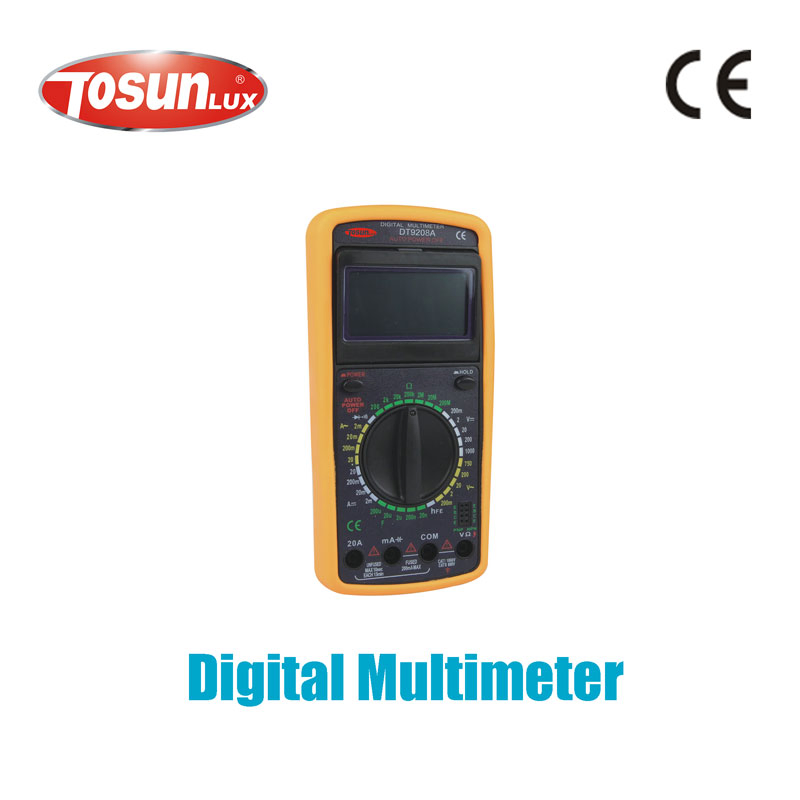
- Digital Multimeters (DMM)
- DC Voltage: 600V, ±(0.7%+3 digits)
- AC Voltage: 600V, ±(1.0%+3 digits)
- DC/AC Current: 10A
- Resistance: 40MΩ
- Safety Rating: CAT III 600V
- Features: True RMS, diode test, capacitance, continuity buzzer
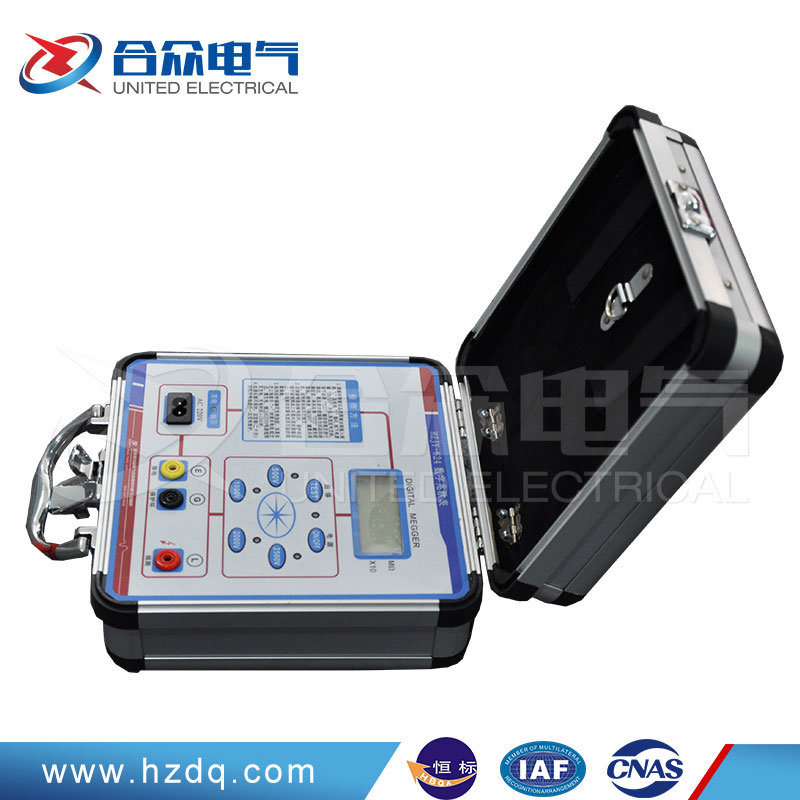
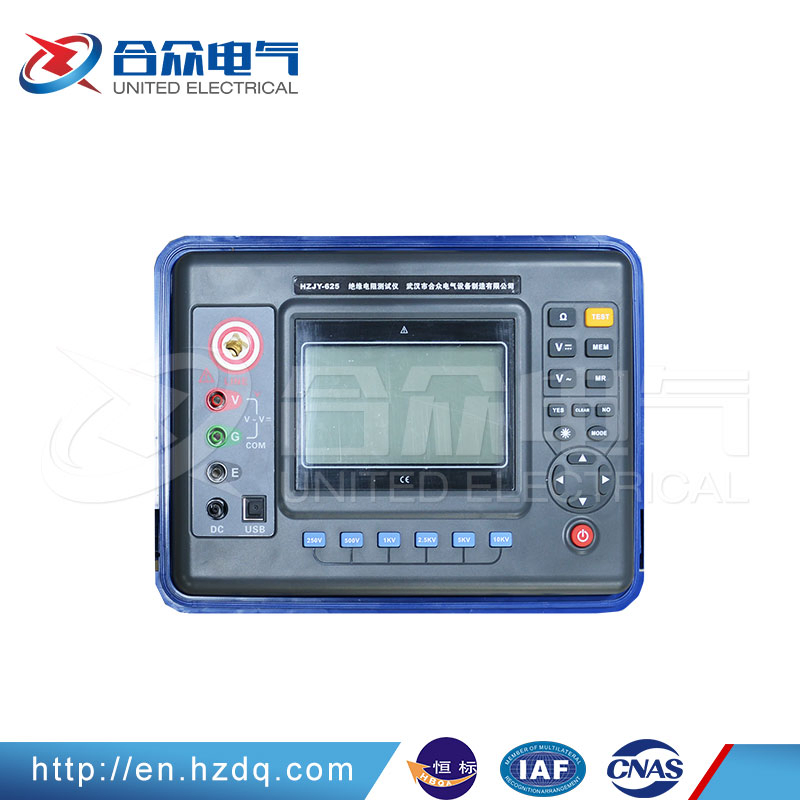
- Insulation Resistance Testers
- Test Voltage: 250V, 500V, 1000V
- Insulation Resistance Range: 1kΩ to 2000MΩ
- Accuracy: ±3% of reading
- PI/DAR calculation: Automatic
Pressure and Flow Measurement
Used in process control, automotive, aerospace, and hydraulics/pneumatics.
| Product | Pressure Range | Output / Display | Media Compatibility | Accuracy Class |
|---|---|---|---|---|
| Digital Pressure Gauge | 0 ... 100 bar | LCD, 4-20mA / RS485 (Optional) | Oil, Water, Air (Stainless Steel Sensor) | 0.5% FS |
| Ultrasonic Flow Meter | Flow Velocity: 0.01 to 25 m/s | LCD, Totalizer, Relay Outputs | Water, Chemicals, Slurries (Clamp-on) | ±1% of reading |
Key Features of instruments-meters.net Products
Choosing instruments-meters.net means investing in reliability and technological advancement. Our products are distinguished by several key features:
- Traceable Calibration: Every critical instrument is supplied with a certificate of calibration traceable to national standards (NIST, UKAS, etc.), providing a verifiable chain of accuracy.
- Robust Design & Durability: Built to withstand demanding industrial environments. Many feature IP-rated casings for dust and water resistance, shock-absorbent materials, and reinforced probes.
- Advanced Sensor Technology: We utilize the latest sensor technology from leading manufacturers to ensure fast response times, long-term stability, and minimal drift.
- User-Centric Interface: Intuitive controls, backlit displays for low-light conditions, and clear menu structures reduce operator error and training time.
- Data Connectivity: Modern instruments offer USB, Bluetooth, or Wi-Fi connectivity, allowing seamless transfer of logged data to PCs or cloud platforms for analysis and reporting.
- Comprehensive Support: Beyond the sale, instruments-meters.net provides detailed technical datasheets, application guides, and access to a knowledgeable support team for product selection and troubleshooting.
Frequently Asked Questions (FAQ)
Q: How often should I calibrate my measuring instruments?
A: Calibration frequency depends on the instrument's criticality, usage frequency, environmental conditions, and manufacturer's recommendations. For instruments used in quality-critical or regulated applications (like ISO 9001), annual calibration is a common standard. Tools subjected to harsh conditions or heavy use may require more frequent checks, such as every 6 months. Always refer to the specific guidelines for your industry.
Q: What is the difference between accuracy and resolution?
A: Resolution is the smallest change in a measured value that the instrument can display. For example, a caliper with a 0.01mm resolution can show changes of one-hundredth of a millimeter. Accuracy, however, is how close the displayed measurement is to the true, standard value. An instrument can have high resolution (showing many decimal places) but poor accuracy (those numbers are far from the truth). Both specifications are crucial and should be evaluated together.
Q: Can I use a general-purpose multimeter for high-energy industrial electrical panels?
A: This is a critical safety point. No, you must use a multimeter rated for the correct Measurement Category (CAT). A meter rated CAT III 600V is designed to withstand voltage transients common on distribution circuits (like breaker panels). Using a lower-rated meter (e.g., CAT II) on a CAT III circuit can lead to dangerous arc flashes and equipment failure. Always ensure your meter's safety category matches or exceeds the environment you're working in.
Q: Why does my laser distance meter give different readings on different surfaces?
A: Laser distance meters work by reflecting a beam off a target. Dark, matte, or absorbent surfaces (like black cloth) scatter the laser light, potentially resulting in a longer measurement time, weaker return signal, or even an error. Shiny, reflective surfaces can cause the beam to reflect at an angle. For best results, use the target plate provided with the device on difficult surfaces to ensure a clean, direct reflection.
Q: What does "True RMS" mean on a digital multimeter?
A: True RMS (Root Mean Square) is a method of accurately measuring the effective value of an AC voltage or current, regardless of its waveform shape. Basic, "average-responding" meters assume a perfect sine wave and will give incorrect readings on non-linear loads (like variable-speed drives, computers, or LED lighting). A True RMS meter correctly measures the heating value of distorted waveforms, which is essential for accurate diagnostics in modern electrical systems.
Q: How do I choose the right pressure sensor for my application?
A> Selection involves several factors: 1) Pressure Range: Choose a sensor where your working pressure is in the middle 50% of its range for best accuracy. 2) Media Compatibility: The wetted materials (stainless steel, ceramic, etc.) must resist corrosion from the gas or liquid being measured. 3) Output Signal: Match the output (e.g., 4-20mA, 0-10V, digital) to your data logger or PLC. 4) Environmental Conditions: Consider temperature limits and the need for ingress protection (IP rating). The experts at instruments-meters.net can assist with this selection process.
Q: Is data logging capability important for environmental monitors?
A> Absolutely. Data logging allows for continuous, unattended recording of parameters like temperature, humidity, CO2, or noise levels over time—be it hours, days, or weeks. This is invaluable for identifying trends, verifying compliance with storage or environmental regulations, troubleshooting HVAC issues, and providing documented proof for audits. It moves measurement from a spot-check to a comprehensive analysis.
- View as